Why did Ganghwa Island (강화도) become the fierce battleground where Joseon Korea first collided with the great powers of the modern world? Between 1866 and 1876, Korea faced the French Campaign, the U.S. Expedition, and the Japanese Unyo Incident—a series of dramatic military clashes that ultimately forced the isolated “Hermit Kingdom” to open its ports. For those wanting to understand the roots of modern Korea, these three events reveal the fierce resilience of the Joseon military, the tragedy of cultural looting, and the profound irony of Korea’s national defense strategy.
This historical guide explores how France, the United States, and Japan knocked on Korea’s doors, what invaluable cultural artifacts were taken, and how these turbulent encounters forever reshaped the destiny of the peninsula.
- Joseon at the Edge of Collapse
- The French Campaign Against Korea (1866)
- Interlude: The Shocking Oppert Grave Robbing Incident (1868)
- The General Sherman Incident & U.S. Expedition (1871)
- The Unyo Incident and the Treaty of Ganghwa (1875-1876)
- Comparing the Major Conflicts
- The Irony of Defense: Joseon’s Military Reality
- Where to See This History Today
Joseon at the Edge of Collapse
By the mid-19th century, the Joseon Dynasty was facing one of the most perilous periods in its history. Decades of “Sedo Politics”—where a few powerful in-law families monopolized the government—had severely weakened the state, drained national finances, and undermined military preparedness.
When King Gojong ascended the throne as a child, his father, Heungseon Daewongun (흥선대원군), became the regent and de facto ruler. Determined to restore royal authority, he carried out strict domestic reforms while pursuing an aggressive isolation policy. Foreign influence, especially Western commerce and religion, was viewed as a direct threat to sovereignty and traditional order. However, this fierce anti-foreign stance would soon be tested by the world’s expanding imperial navies.
The French Campaign Against Korea (1866)
The first major Western power to attempt to breach Joseon’s closed doors was France, resulting in a conflict known historically as Byeonginyangyo.
The Trigger: The Byeongin Persecution
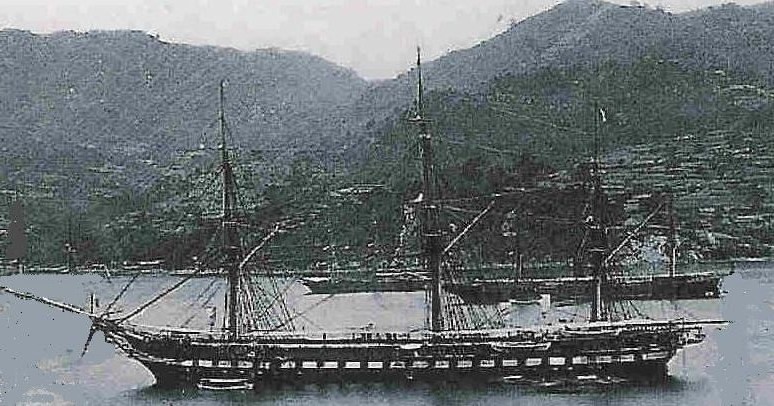
The immediate spark for the conflict was the Daewongun’s massive crackdown on Catholicism in 1866. Fearing that the foreign religion would undermine traditional Confucian society, the government executed nine French missionaries and thousands of Korean Catholics. In response, French Admiral Pierre-Gustave Roze launched a punitive expedition from China, demanding retaliation and the opening of trade routes.
📌 Historical Context: To understand why the Joseon court viewed this religion as such a critical threat to national security, read more about Early Catholicism in Korea: Unpacking the Sinyu Persecution.
The Battles and the Looting of Royal Archives
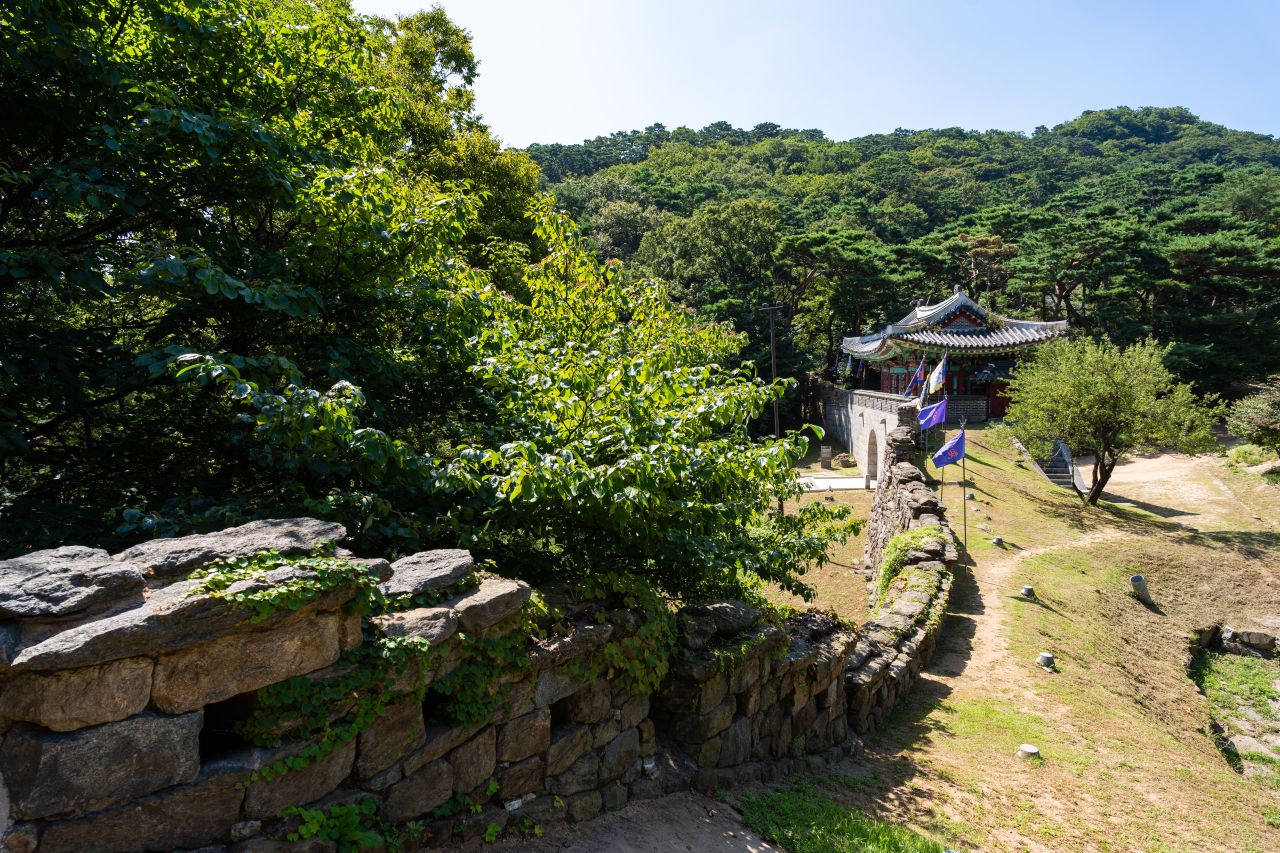
French forces occupied Ganghwa Island to control access to the Han River, the waterway leading straight to the capital. However, they faced unexpectedly fierce resistance. At Jeongjoksan Fortress (정족산성), General Yang Heon-su brilliantly ambushed the French troops. Utilizing the terrain, the Korean defenders inflicted significant casualties, ultimately forcing the French to retreat.
Before leaving, however, the French army committed a devastating act of cultural destruction. They burned the Oegyujanggak (외규장각), the royal archive on Ganghwa Island, and looted silver ingots, royal maps, and 297 volumes of the Oegyujanggak Uigwe—the beautifully illustrated royal protocols of the Joseon court.
These precious manuscripts languished in the National Library of France for over a century. Thanks to the lifelong dedication of Korean-French scholar Dr. Park Byeong-seon, the documents were finally returned to Korea in 2011 on a permanent lease. While they are safely housed in Korea today, the legal ownership technically remains with France.
Interlude: The Shocking Oppert Grave Robbing Incident (1868)
Between the French and American military expeditions, an outrageous event occurred that fundamentally hardened Korea’s hatred of Westerners.
The Oppert Grave Robbing Incident (덕산 굴총 사건)
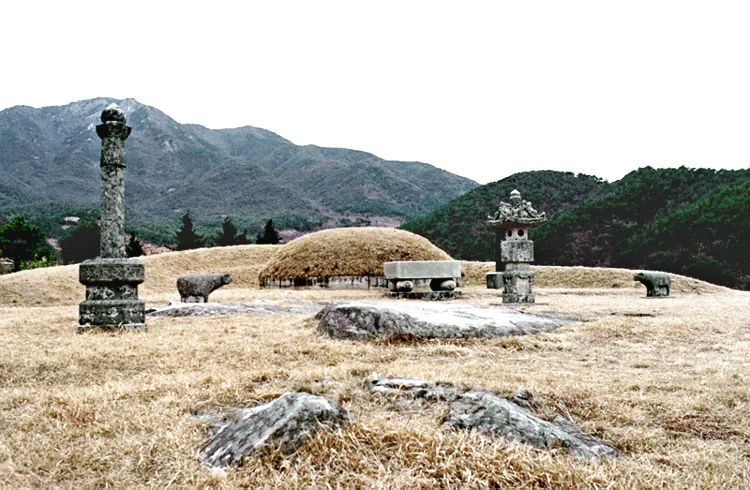
In 1868, Ernst Oppert, a German merchant, devised a bizarre and horrific plan to force Joseon into trade. Having been rejected twice, Oppert organized an armed multinational crew of over 100 men to sail to Deoksan (modern-day Yesan, Chungcheong Province). His goal? To rob the grave of Namyeongun, the father of the regent Heungseon Daewongun.
Oppert intended to steal the royal bones and use them as hostages to blackmail the Daewongun into opening Korea’s ports—exploiting the extreme reverence Koreans held for their ancestors.
The grave robbers attacked the local government office to seize tools and began digging. However, they failed spectacularly. Daewongun had purposely fortified the tomb with thick layers of lime and rammed earth, making it nearly impenetrable. Furthermore, local villagers furiously attacked the robbers with farming tools, and the receding tide threatened to strand their ships. Oppert’s crew fled, having only managed to damage the burial mound.
The Impact: In a Confucian society, the desecration of an ancestor’s tomb by foreigners was an unforgivable atrocity. This incident caused absolute shock and fury throughout the country, giving Daewongun the perfect justification to radically intensify his isolationist policy.
The General Sherman Incident & U.S. Expedition (1871)
Three years after the grave-robbing attempt, the United States arrived on Korea’s shores, leading to what is known in American naval history as “Our Little War with Joseon,” and in Korea as Shinmiyangyo.
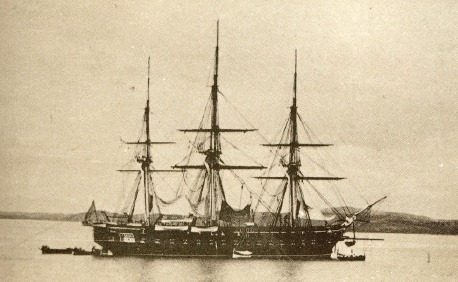
The General Sherman Incident (1866)
The roots of this clash began with the General Sherman, an American-owned armed merchant vessel that illegally sailed up the Daedonggang River toward Pyongyang in 1866. Despite repeated warnings to turn back, the heavily armed crew demanded trade rights, fired their weapons, and even held a local official hostage. Outraged, Pyongyang Governor Park Gyu-su and local citizens attacked the ship with fire rafts, sinking the vessel and killing the entire crew.
The Battle of Gwangseongbo
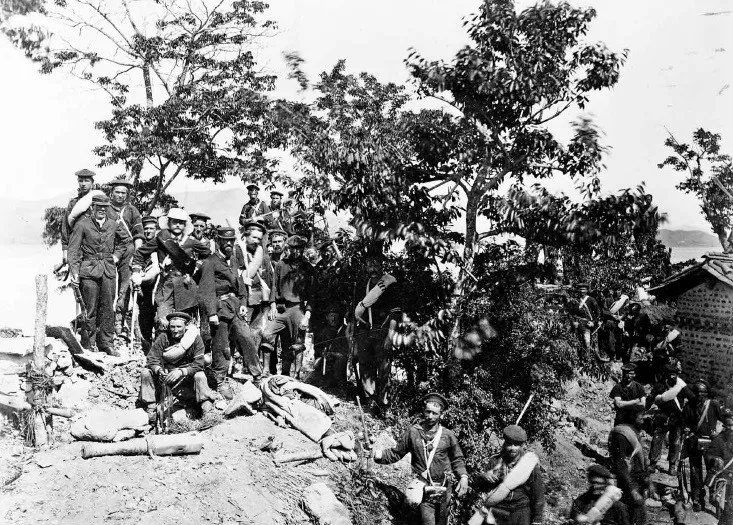
In 1871, the U.S. sent Admiral John Rodgers and his Asiatic Fleet to Ganghwa Island to demand a formal investigation and force a trade treaty. When Joseon shore batteries fired warning shots, the U.S. launched a full-scale military assault. American troops easily captured Chojijin (초지진) and Deokjinjin (덕진진) before moving on the main stronghold, Gwangseongbo (광성보).
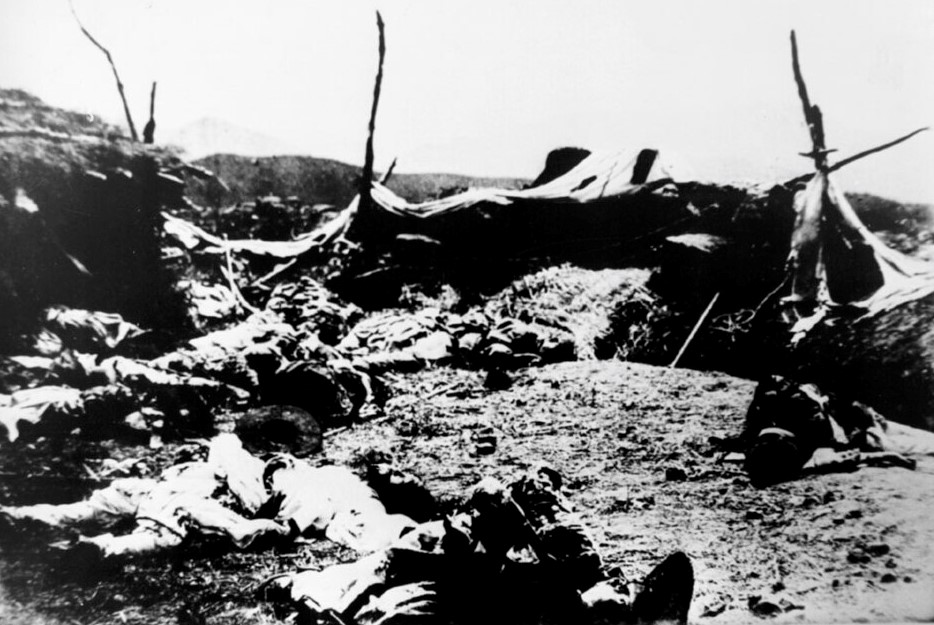
The technological gap was tragic. The Korean soldiers, led by General Eo Jae-yeon, fought with short-range, centuries-old matchlock muskets against modern American rolling-block rifles and artillery. When they ran out of ammunition, the Korean defenders threw stones and fought hand-to-hand until the very end. Over 240 Korean soldiers died, compared to just three American fatalities.
The Looting of the Sujagi
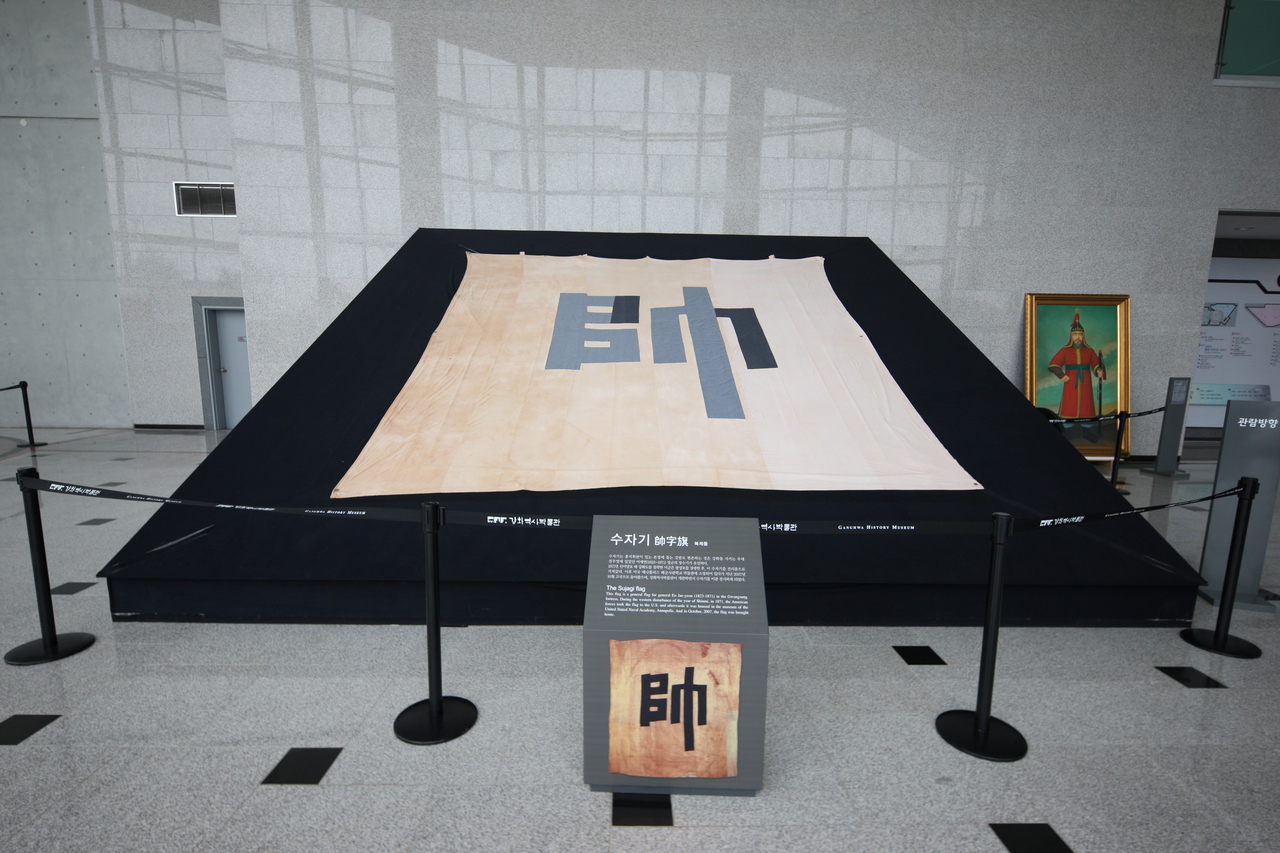
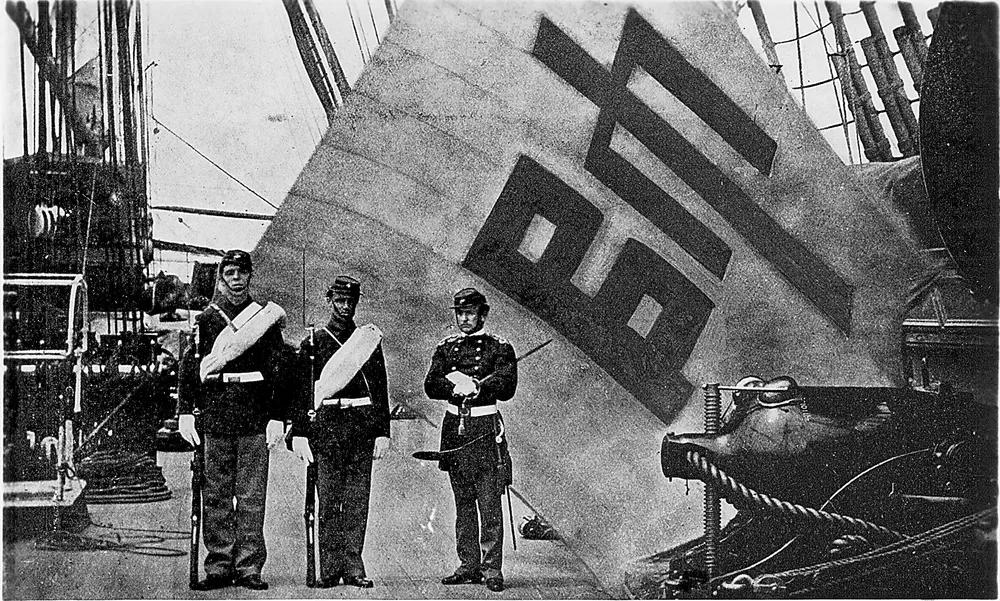
Following their victory at Gwangseongbo, American forces tore down General Eo’s Sujagi (帥字旗), the massive command flag symbolizing military authority, and took it as a war trophy. The flag was displayed at the U.S. Naval Academy Museum for 136 years before being returned to Korea in 2007 on a long-term lease.
Despite their overwhelming military victory, the Americans failed diplomatically. The Joseon government steadfastly refused to negotiate, prompting the U.S. fleet to withdraw. Emboldened by this perceived “victory” and enraged by past events like the Oppert grave robbery, Daewongun erected Cheokhwabi (척화비)—stone monuments warning against Western appeasement—across the entire country.
The Unyo Incident and the Treaty of Ganghwa (1875-1876)
The greatest historical irony of this era is that Joseon successfully resisted the military might of France and the United States, only to fall victim to a neighboring Asian nation using copied Western tactics.
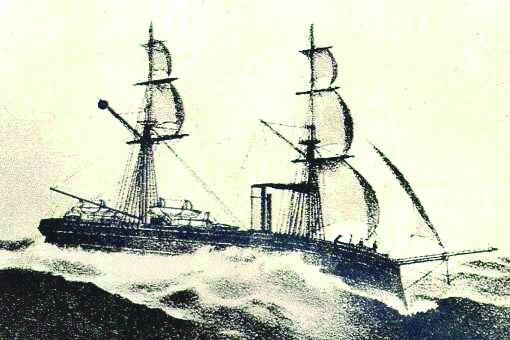
Japan’s Gunboat Diplomacy
After modernizing its military during the Meiji Restoration, Japan decided to forcefully open Joseon’s ports using the exact same “gunboat diplomacy” that U.S. Commodore Perry had used against Japan decades prior. In 1875, the Japanese warship Unyo intentionally approached the restricted waters of Chojijin under the guise of seeking drinking water, deliberately provoking defensive fire from the Korean fortress.
Destruction and the Unequal Treaty
When Joseon forces fired warning shots, the Unyo unleashed its modern naval cannons, completely devastating the Korean defenses. The Japanese troops then landed on Yeongjong Island (영종도)—near today’s Incheon International Airport—burning civilian homes, massacring residents, and looting large quantities of military weapons and supplies.
Shifting the blame onto Joseon, Japan returned the following year with a massive fleet to force negotiations. By this time, Heungseon Daewongun had fallen from power, and King Gojong’s government yielded to the pressure. The result was the 1876 Treaty of Ganghwa.
While often called Korea’s first modern treaty, it was fundamentally unequal. It forced the opening of three major ports, granted Japanese citizens extraterritoriality (exemption from Korean laws), and allowed Japan to survey Korean coastlines—laying the strategic groundwork for Japan’s eventual colonization of the peninsula.
Comparing the Major Conflicts
To easily understand how these pivotal events unfolded, refer to this historical summary:
| Event Name | Year | Opposing Nation/Group | Major Location | Looted Artifacts/Objective | Historical Outcome |
|---|---|---|---|---|---|
| French Campaign (Byeonginyangyo) | 1866 | France | Jeongjoksan Fortress | Oegyujanggak Uigwe (Returned via lease, 2011) | False military confidence gained. |
| Oppert Grave Robbing | 1868 | German merchant & multinational crew | Deoksan (Tomb of Namyeongun) | Failed attempt to steal royal remains for blackmail | Extreme national outrage; isolationism radically hardened. |
| U.S. Expedition (Shinmiyangyo) | 1871 | United States | Gwangseongbo | General’s Sujagi flag (Returned via lease, 2007) | Erection of Cheokhwabi monuments nationwide. |
| Unyo Incident & Treaty of Ganghwa | 1875-1876 | Japan | Chojijin, Yeongjong Island | Military weapons, cannons, and fortress destruction | First unequal modern treaty; forced opening of ports. |
The Irony of Defense: Joseon’s Military Reality
When looking back at these turbulent ten years, a tragic paradox emerges. The Joseon military fought with immense courage, and their tactical victories against the French and the diplomatic stalemate with the Americans gave the government a false sense of security. They believed their isolationist policies were working.
However, by celebrating the withdrawal of Western navies as ultimate victories, Joseon squandered precious time. While Korea was erecting stone monuments rejecting foreign technology, Japan was aggressively adopting Western military science. By the time the Unyo arrived in 1875, the technological gap was insurmountable. Winning the early battles directly contributed to Korea losing the race for modernization, leading inevitably to the tragic fall of the empire.
Where to See This History Today
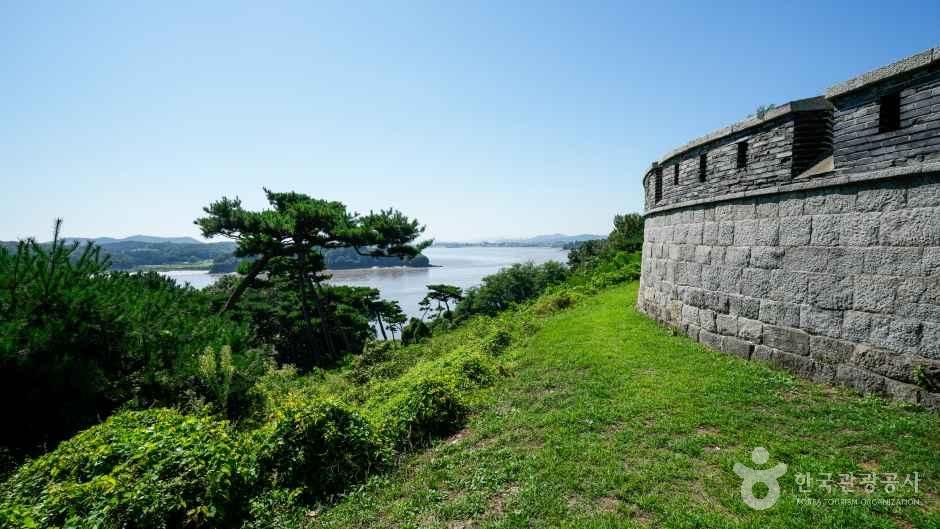
For modern travelers and history buffs, Ganghwa Island acts as an open-air museum. Visitors can walk the exact defensive walls where these intense battles took place.
- Gwangseongbo Fortress: Walk the solemn grounds where General Eo Jae-yeon and his men made their final stand against the Americans.
- Chojijin & Deokjinjin: See the cannonball scars still visible on the ancient pine trees near the fortress walls.
- Jeongjoksan Fortress: Explore the mountainous terrain where Korean forces successfully ambushed the French.
- Ganghwa History Museum: View the repatriated Sujagi flag and detailed dioramas of the battles.
💡 Pro Tip: To plan a visit to these historic sites, check out our comprehensive Ganghwa Island Day Trip Guide: Korea’s Historic Time Machine.
Understanding these Ganghwa Island battles is essential for comprehending the domino effect that led to the turbulent 20th century in Korea. To explore what happened in the decades following the opening of the ports, continue reading our deep dives into modern Korean history:
- Eulmi Incident 1895: Empress Myeongseong’s Assassination
- Fall of the Korean Empire: Eulsa Treaty to 1910 Annexation
- The March 1st Movement: The Day Modern Korea Was Born
- Foreign Heroes of Korea’s Independence Movement
Korean Culture portal KCulture.com

Founder of Kculture.com and MA in Political Science. He shares deep academic and local insights to provide an authentic perspective on Korean history and society.