Introduction & Synopsis
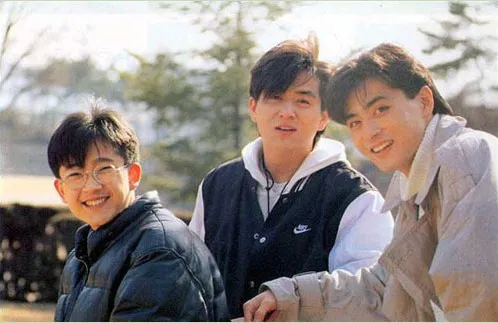
Imagine a world before intricate thrillers and high-concept fantasy dominated the K-drama landscape. Picture a sun-drenched university campus, where the biggest dramas are navigating first loves and the bonds of friendship. This is the world of Our Paradise (우리들의 천국), the quintessential youth campus drama that captures the bright, hopeful spirit of early 90s Korea. Produced by MBC, this epic series spanned nearly four years (1990–1994) and was broadcast in three distinct phases, each reflecting the evolving dreams of the “New Generation.” It remains the foundational text for the entire genre of Korean campus romance.
The Three Chapters of Paradise
Unlike most dramas, Our Paradise functioned as a living chronicle of campus life, evolving through three major periods:
- Season 1 (Oct 26, 1990 – Nov 20, 1992): The 100-episode foundation that defined the genre. Centered on the lives of students like Jin-su (Hong Hak-pyo) and Seung-mi (Choi Jin-sil), it blended academic struggles with poignant romance, ending a major era of 90s television.
- Season 2 (Nov 27, 1992 – Feb 18, 1994): A major transition that introduced a fresh cast and a more modern, trendier vibe. This era focused on the “X-Generation” sensibilities, characterized by bolder individual expression and the meteoric rise of new icons.
- Season 3 (Feb 25, 1994 – Apr 8, 1994): The final curtain call. While shorter in duration, this phase served as the definitive conclusion to a four-year journey, wrapping up the stories of youth before the landscape of Korean dramas shifted toward the “trendy drama” explosion of the mid-90s.
Deep Cultural/Historical Insight
The Dawn of the ‘New Generation’
To understand Our Paradise, one must understand the South Korea of the early 1990s. The generation depicted in the drama was the first to come of age in a more politically free and economically prosperous Korea. They were initially dubbed the “New Generation” (신세대)—paving the way for the “X-Generation” (X세대) boom. This drama trades political protest for personal aspirations, celebrating the nangman (낭만)—an idealized, romantic view of life—of the university experience.
Narrative Analysis
The Charm of Simplicity
The storytelling in Our Paradise is refreshingly straightforward and deeply character-driven. Its narrative power lies in its relatability, focusing on small, universal moments: cramming for midterms, the anxiety of a first date, or loyalty over coffee. By spreading its narrative across three distinct phases, the series allowed the audience to grow alongside the characters, creating a unique bond that lasted nearly half a decade.
Cast Spotlight
Launching Legends Across Generations
The series was a star-making vehicle, launching different icons during each of its phases:
- Choi Jin-sil (Season 1): Her role as Seung-mi solidified her status as the “Nation’s Sweetheart.” Her character’s tragic arc in the first season remains one of the most memorable moments in Korean TV history.
- Hong Hak-pyo (Season 1): The sincere and handsome male protagonist who perfectly embodied the clean-cut “campus crush” of the early 90s.
- Jang Dong-gun (Season 2): Taking the lead in the second phase, he became an overnight sensation. His presence redefined the “flower boy” archetype for the new decade.
- Han Seok-kyu & Jeon Do-yeon: Before becoming titans of Korean cinema, these legendary actors showcased their youthful appeal in Our Paradise, with Jeon Do-yeon making her significant acting debut during the series’ later years.
Global Viewing Guide
Finding this classic can be a treasure hunt, but here are the best places to look:
- MBC Classic YouTube Channel: The primary source for international fans, often featuring archived clips and full episodes.
- Wavve: For viewers in South Korea, the drama is frequently available on this domestic platform.
- K-Drama Streaming Services: Check Kocowa and Viki for updates to their classic libraries.
Final Verdict
Our Paradise is more than a nostalgia trip; it’s a three-part living time capsule. By following its journey from 1990 to 1994, viewers can witness the very birth of modern Korean youth culture and the dawn of Hallyu’s greatest stars. It is an unmissable piece of television history for any serious K-drama enthusiast.

The KCulture Editorial Team is dedicated to providing deep insights and accurate information about the vibrant world of Korean culture.