In 1795, King Jeongjo (정조), the 22nd monarch of the Joseon Dynasty and the architect of the late Joseon Renaissance, embarked on a grand 8-day royal procession to Hwaseong (수원 화성) to visit the tomb of his late father, Crown Prince Sado. This journey was far more than a royal celebration; it was a powerful declaration of filial piety, royal authority, and political reform. Living here in Korea, I am thrilled to guide you through this historic event, documented in the legendary Uigwe, which serves as a vivid time capsule of 18th-century Korean society.
- What is the Uigwe: The Royal Protocols of Joseon?
- The 8-Day Procession: A Masterpiece of Filial Piety and Authority
- The Renaissance of Late Joseon: The Legacy of the Procession
- Modern Heritage: Visiting Sites and Historical Reenactments
- History on Screen: Recommended Movies and Dramas
What is the Uigwe: The Royal Protocols of Joseon?
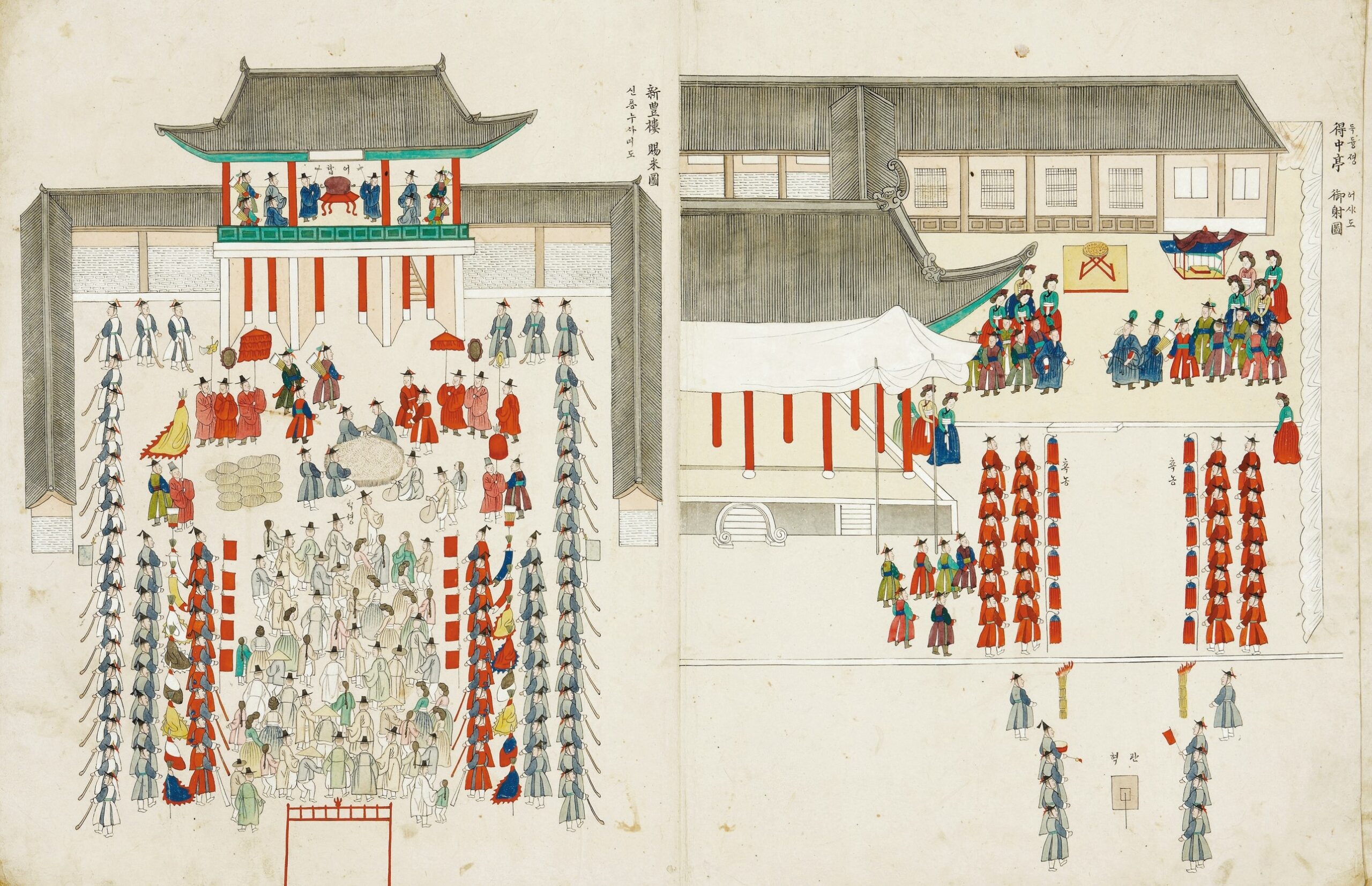
To understand Joseon history, one must recognize its meticulous culture of record-keeping. At its core is the Uigwe (의궤), a unique form of “white paper” that detailed major state ceremonies—weddings, funerals, banquets, and royal processions—through both text and exquisite illustrations. These documents served as official guidebooks to minimize trial and error for future generations, earning them a place on the UNESCO Memory of the World register.
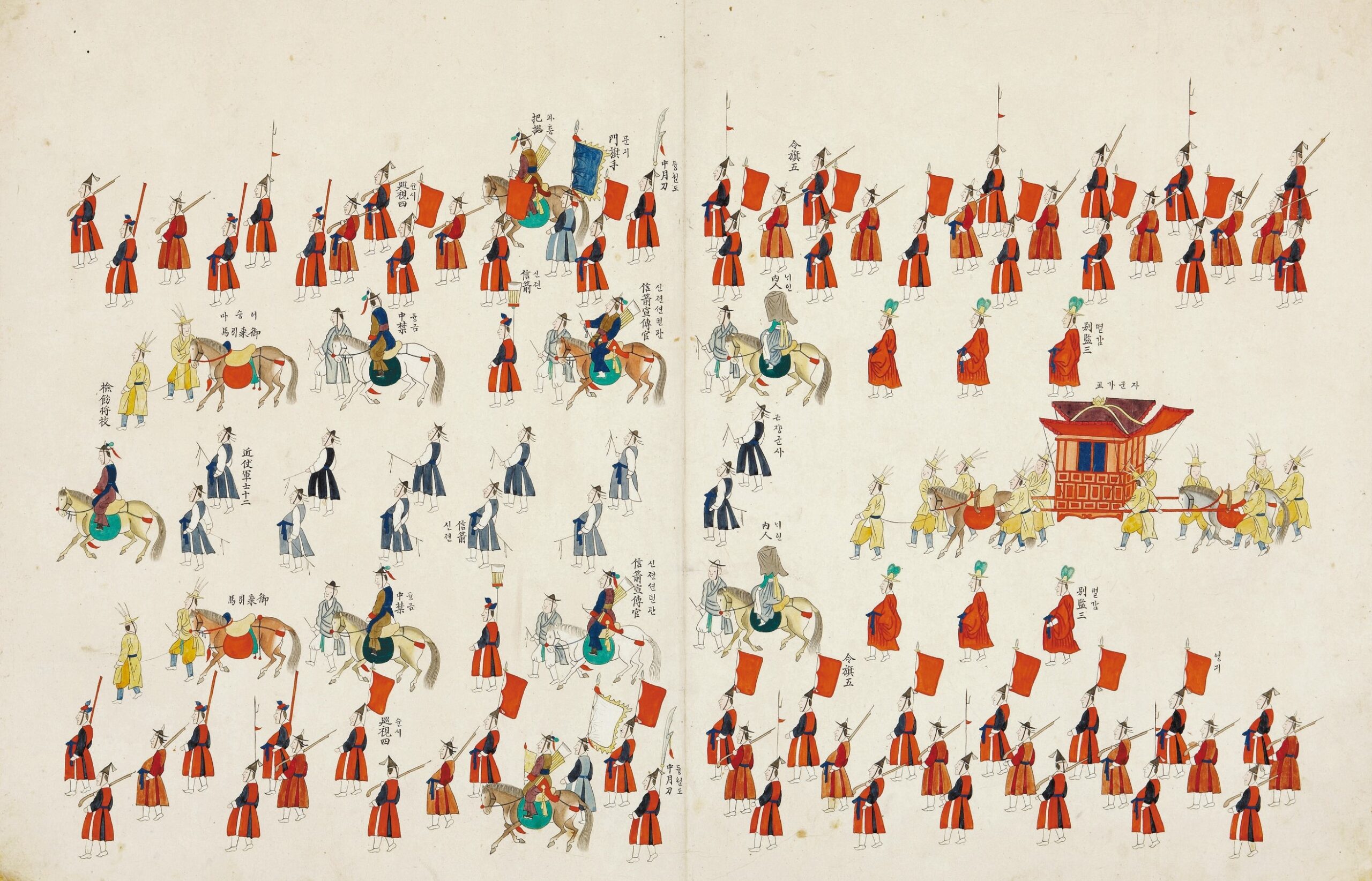
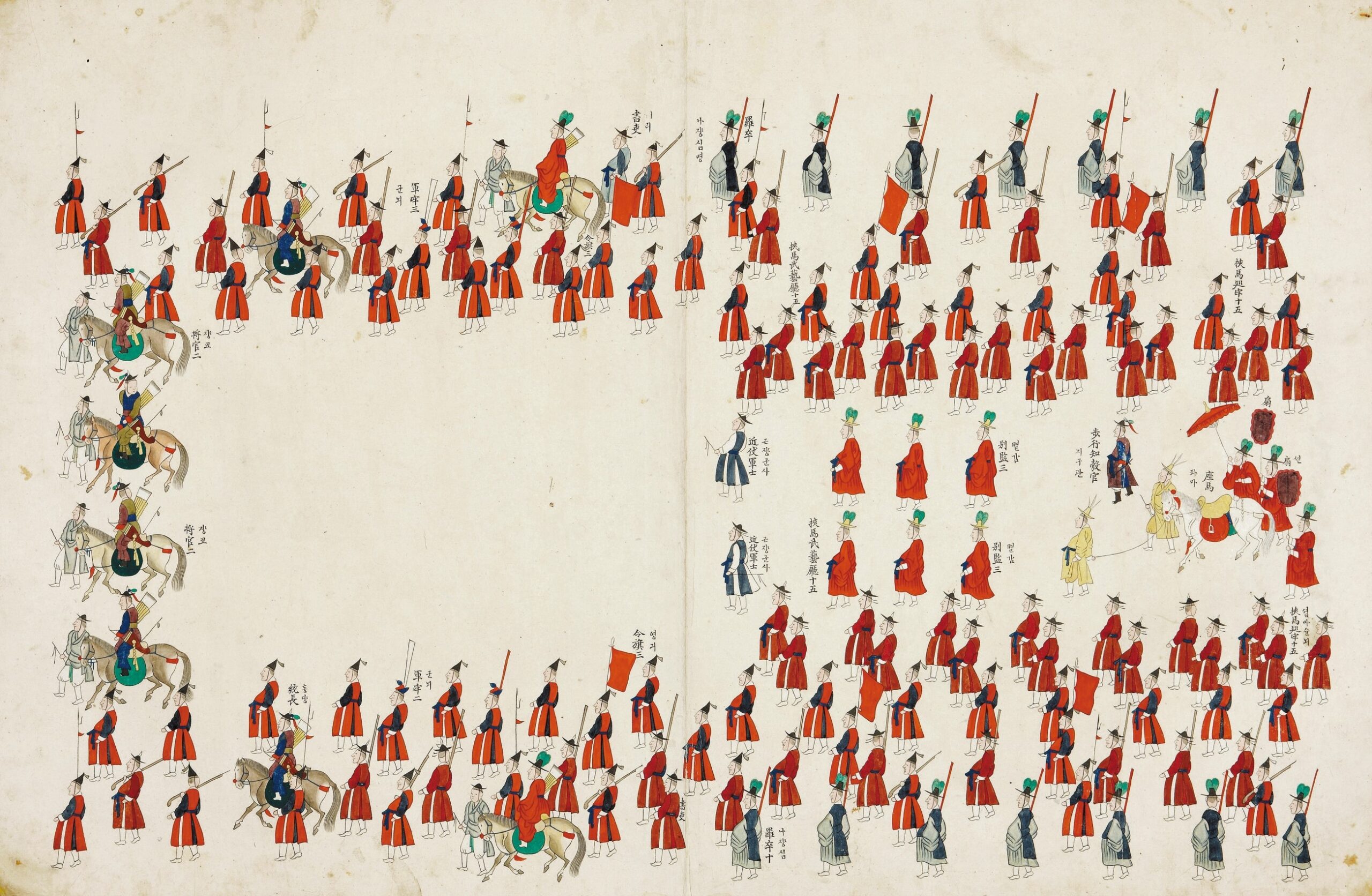
The Wonhaeng Eulmyo Jeongri Uigwe (원행을묘정리의궤), which records the 1795 journey, was particularly revolutionary as it was the first to be mass-produced using movable metal type, known as Jeongrija. The legendary court painter Kim Hong-do, deeply trusted by King Jeongjo, oversaw the visual documentation. The Uigwe features the Banchado (반차도), a panoramic illustration capturing the procession of over 6,000 people and 1,400 horses with breathtaking precision.
💡 Pro Tip: The Banchado is more than just a painting; it is an 18th-century “snapshot” or documentary film. I highly recommend examining the minute details of the soldiers’ expressions—it brings the history of Joseon to life in a way that words cannot fully capture.
The 8-Day Procession: A Masterpiece of Filial Piety and Authority
King Jeongjo’s visit to Hwaseong was not merely a private royal affair. For eight days, the fortress became a stage where the King, his people, and the military converged through various significant events.
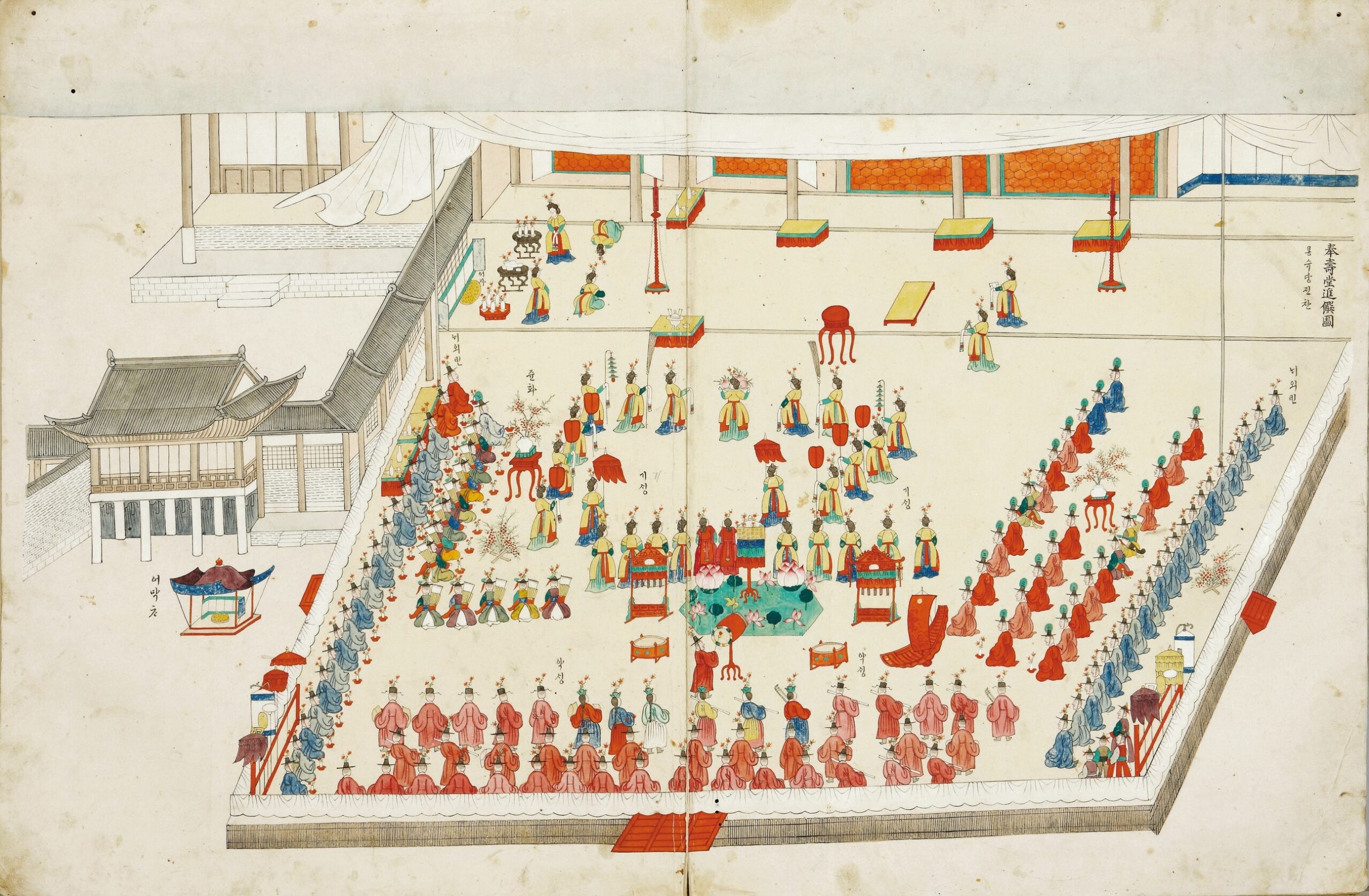
- The Grand Banquet at Bongsudang (봉수당 진찬연): The highlight of the trip, held at the main building of Hwaseong Haenggung Palace (화성행궁), where the King celebrated his mother Lady Hyegyeonggung’s 60th birthday with elaborate royal music and dance.
- Military Drill at Seojangdae (서장대 성조도): King Jeongjo personally commanded a massive military exercise at Seojangdae, the command post of the fortress. Surrounded by torches at night, this was a potent political display of his military dominance and commitment to national defense.
- Banquet for the Elderly at Nangnamheon (낙남헌 양로연): The King invited local elders to a banquet, serving them food and bestowing gifts of silk, regardless of their social status. He also held a special civil service examination to recruit local talent.
The Renaissance of Late Joseon: The Legacy of the Procession
Why do we call the reign of King Jeongjo the “Renaissance of Late Joseon”? It is because his policies combined political stability with tangible improvements in the lives of the common people. During this procession, Jeongjo allowed Sangeon (상언) and Gyeokjaeng (격쟁), which permitted commoners to directly appeal their grievances to the King by beating gongs—a radical act of communication.
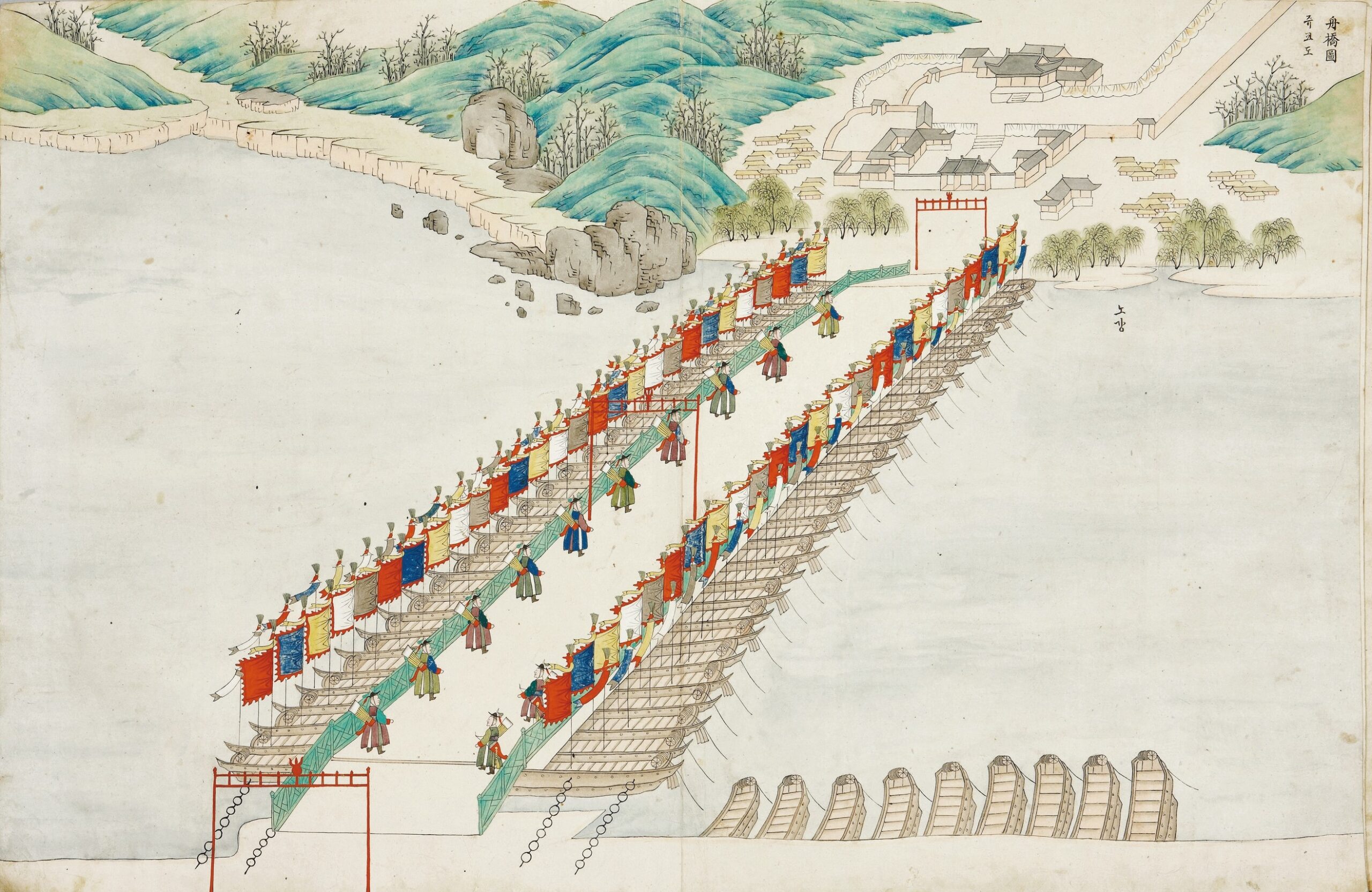
To ensure his massive retinue could cross the Han River (한강) safely, he pioneered the Pontoon Bridge (주교), a masterpiece of 18th-century engineering. This event also boosted the local economy by promoting trade and commercial development in the newly constructed city of Hwaseong. His reliance on the Kyujanggak (규장각) royal library and reform-minded scholars like Jeong Yak-yong ushered in a golden age of science, technology, and philosophy.
Modern Heritage: Visiting Sites and Historical Reenactments
Today, you can walk in the footsteps of King Jeongjo. Here are the must-visit locations near Seoul:
| Site Name | Significance |
|---|---|
| Suwon Hwaseong Fortress (수원 화성) | A UNESCO World Heritage site, showcasing innovative 18th-century defensive architecture. |
| Hwaseong Haenggung Palace (화성행궁) | The grandest temporary royal palace, where the Bongsudang banquet took place. |
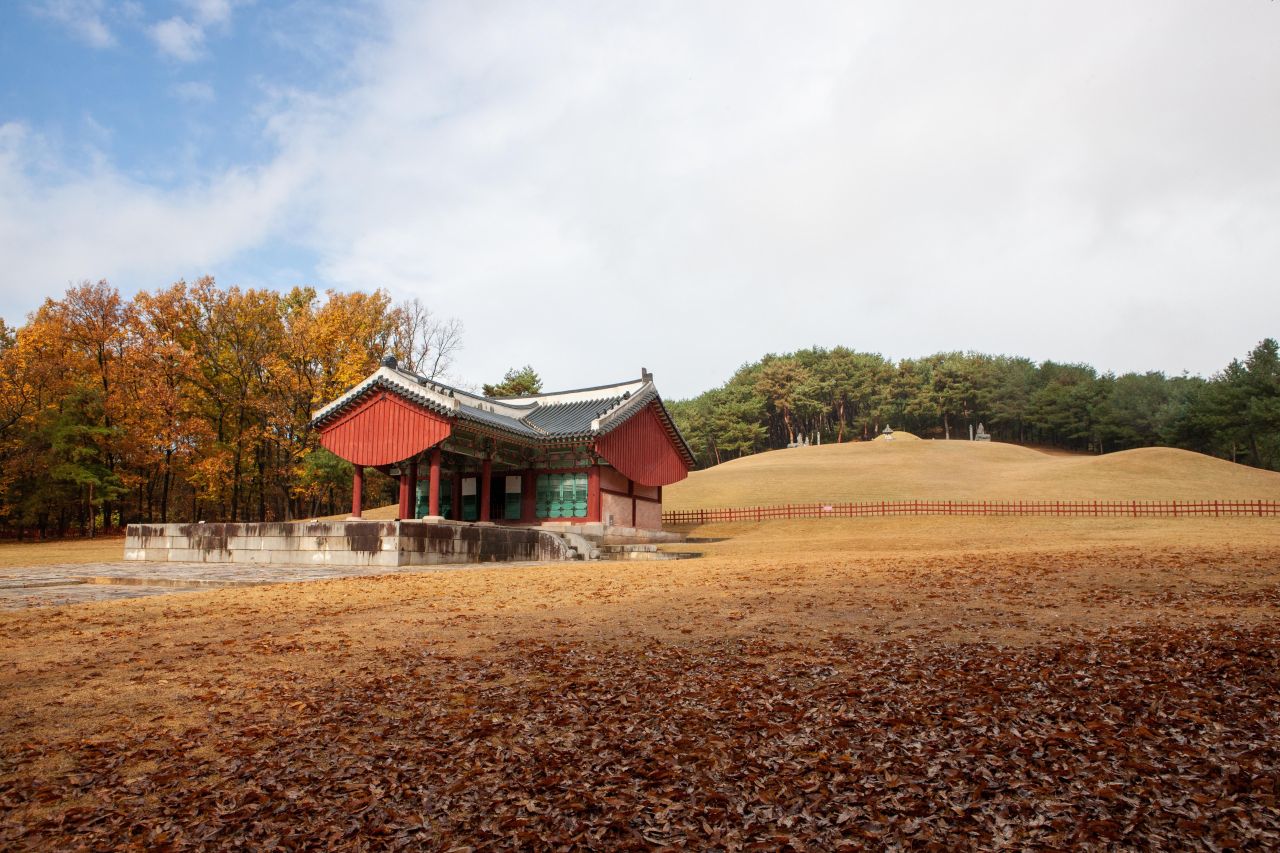
| Yungneung and Geonneung Royal Tombs (융릉과 건릉) | The final resting place of Crown Prince Sado, Lady Hyegyeong, and King Jeongjo. |
📌 Local Note: Every autumn, the Suwon Hwaseong Cultural Festival (수원화성문화제, Festival Dates: Oct 4 – Oct 11, 2026) features a magnificent reenactment of the royal procession. Watching thousands of people march from Seoul to Suwon is an unforgettable experience.
History on Screen: Recommended Movies and Dramas
To dive deeper into the dramatic life of King Jeongjo, I recommend these acclaimed Korean productions:
- The Throne (사도, 2015): A gripping film detailing the tragic history of Crown Prince Sado. It provides essential context for why Jeongjo’s filial pilgrimage was so emotionally charged. (Available on Netflix, Wavve)
- The Red Sleeve (옷소매 붉은 끝동, 2021): A stunning drama focusing on Jeongjo’s internal struggles as a King and his poignant romance. It beautifully visualizes the atmosphere of the late Joseon era. (Available on Wavve, Coupang Play)
- Yi San (이산, 2007): A classic historical epic that thoroughly covers the King’s life and the building of Hwaseong. (Available on MBC, Wavve)
King Jeongjo’s Hwaseong procession remains a timeless testament to a leader who prioritized the welfare of his people. For more insights into Korea, explore the links below!
Recommended Reads:
🏯 Suwon Hwaseong Fortress: Your Perfect 2-Day Getaway from Seoul!
🥐 Suwon Hwaseong: The Cutest Cafes & Bakeries Near Haenggung-dong!
👑 King Jeongjo and Crown Prince Sado History: A Royal Tragedy
Korean Culture portal KCulture.com

Founder of Kculture.com and MA in Political Science. He shares deep academic and local insights to provide an authentic perspective on Korean history and society.