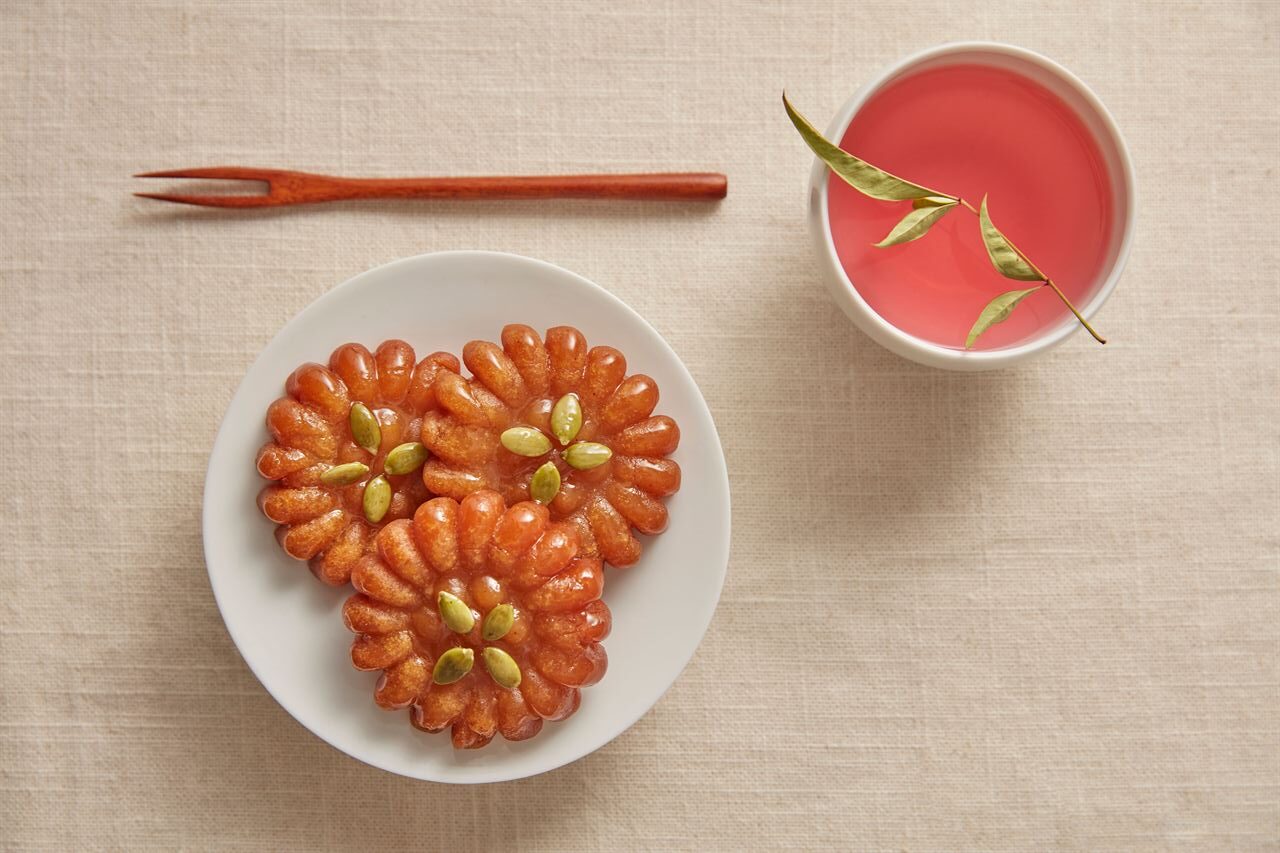
Long before viral trends like Dubai chocolate or croffles dominated South Korean cafe windows, the country had its own profound and elegant dessert tradition: Hangwa (한과). Hangwa refers to traditional Korean confections crafted from glutinous rice, wheat flour, honey, grain syrup, and sesame oil, offering a nutty, delicately sweet alternative to dairy-heavy Western pastries. For international travelers looking beyond everyday tteok (rice cakes), this category—featuring the chewy honey-glazed yakgwa, airy yugwa, and elegantly pressed dasik—provides a fascinating dive into Korea’s culinary heritage.
What makes these sweets truly special is their evolution. Originating from Buddhist traditions and royal court banquets, these treats were once considered so luxurious that kings repeatedly banned them to protect the national economy. Fast forward to 2026, and these centuries-old confections are experiencing a massive “halmaenial” (grandmother + millennial) revival, reinvented in hip cafes across Seoul. This guide explores the core varieties, fascinating history, regional specialties, and the best places to experience authentic traditional desserts in Korea today.
For those currently exploring Korea’s vast culinary scene, you can complement your dessert journey by checking out our other detailed food guides, including Must-Try Korean Summer Fruits: A Traveler’s Tasting Guide, the luxurious Mudeungsan Watermelon (Puraengi), our deep dive into Why Jajangmyeon & Jjamppong Are Korea’s True Soul Food, Inside Korea’s Bread Pilgrimage: 5 Bakeries You Must Visit, the seasonal Korean Summer Cold Noodles: Naengmyeon & Kongguksu Guide, 5 Korean Spring Greens You Can Forage Locally, and our guide to ancient fermentation, What Is Jeotgal?.
- What Exactly Is Hangwa?
- The Core Varieties of Traditional Sweets
- A History Sweetened by Buddhism and Banned by Kings
- The “Halmaenial” Boom: How Hangwa Got Cool Again
- Famous Regional Specialties Worth Seeking Out
- Where to Buy Authentic Hangwa in Korea (2026 Guide)
- FAQ: What Foreigners Ask About Hangwa
What Exactly Is Hangwa?
Hangwa is the broad umbrella term for Korea’s traditional sweets. While many foreign visitors naturally associate Korean desserts with tteok (steamed or pounded rice cakes), tteok is actually a separate culinary category. Hangwa specifically refers to confections that are fried, dried, candied, or pressed.
One element that surprises first-time tasters is the restrained sweetness. Instead of using refined white sugar, traditional Korean desserts rely heavily on jocheong (조청), a thick syrup made by slowly fermenting and reducing grains like rice or barley, along with natural honey. This creates a deep, caramel-like sweetness that is beautifully balanced by the savory nuttiness of sesame oil, roasted soybeans, and pine nuts.
💡 Pro Tip: If you see a beautiful gift box in Korea containing various intricately shaped, colorful, and dry sweets, it is almost certainly a selection of Hangwa. It is a highly respected gift during major holidays like Chuseok and Lunar New Year.
The Core Varieties of Traditional Sweets
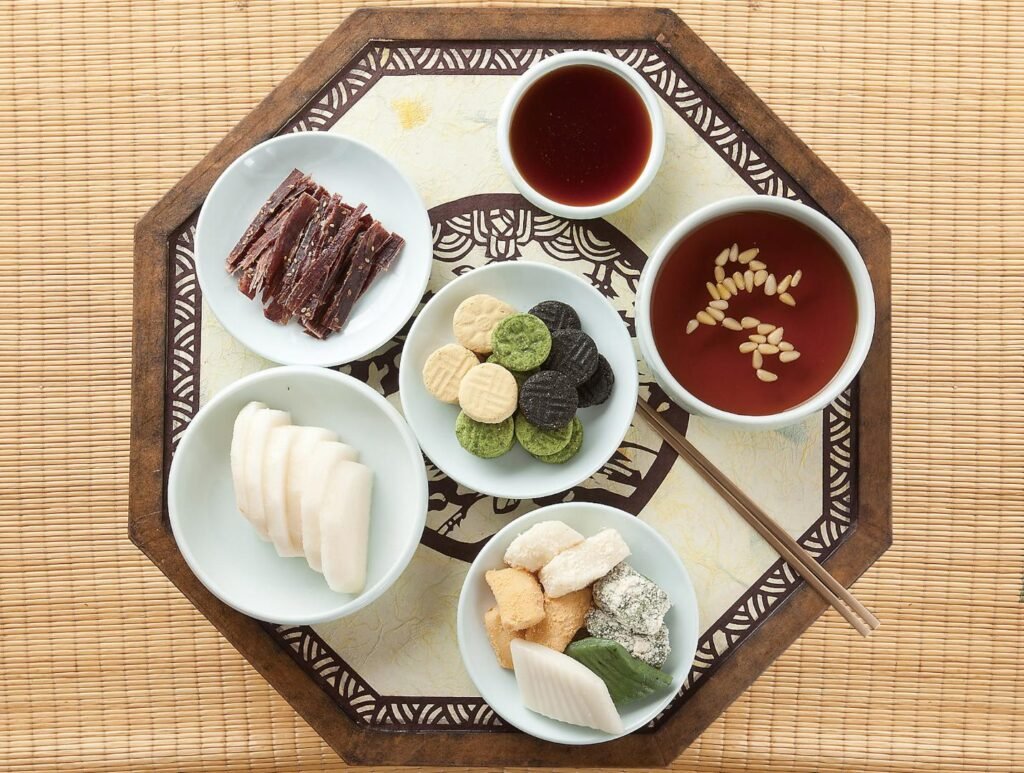
Korean traditional desserts are divided into several distinct families based on their ingredients and preparation methods. Here are the most prominent varieties you need to know.
| Type of Dessert | Main Ingredients | Taste & Texture | Good to Know |
|---|---|---|---|
| Yakgwa (약과) | Wheat flour, honey, sesame oil, grain syrup, ginger | Dense, chewy, slightly fudgy center with a lightly crisp exterior. Warm notes of cinnamon and toasted sesame oil. | Deep-fried and rich. It holds a similar culinary position to Western doughnuts or honey cakes. Not gluten-free. |
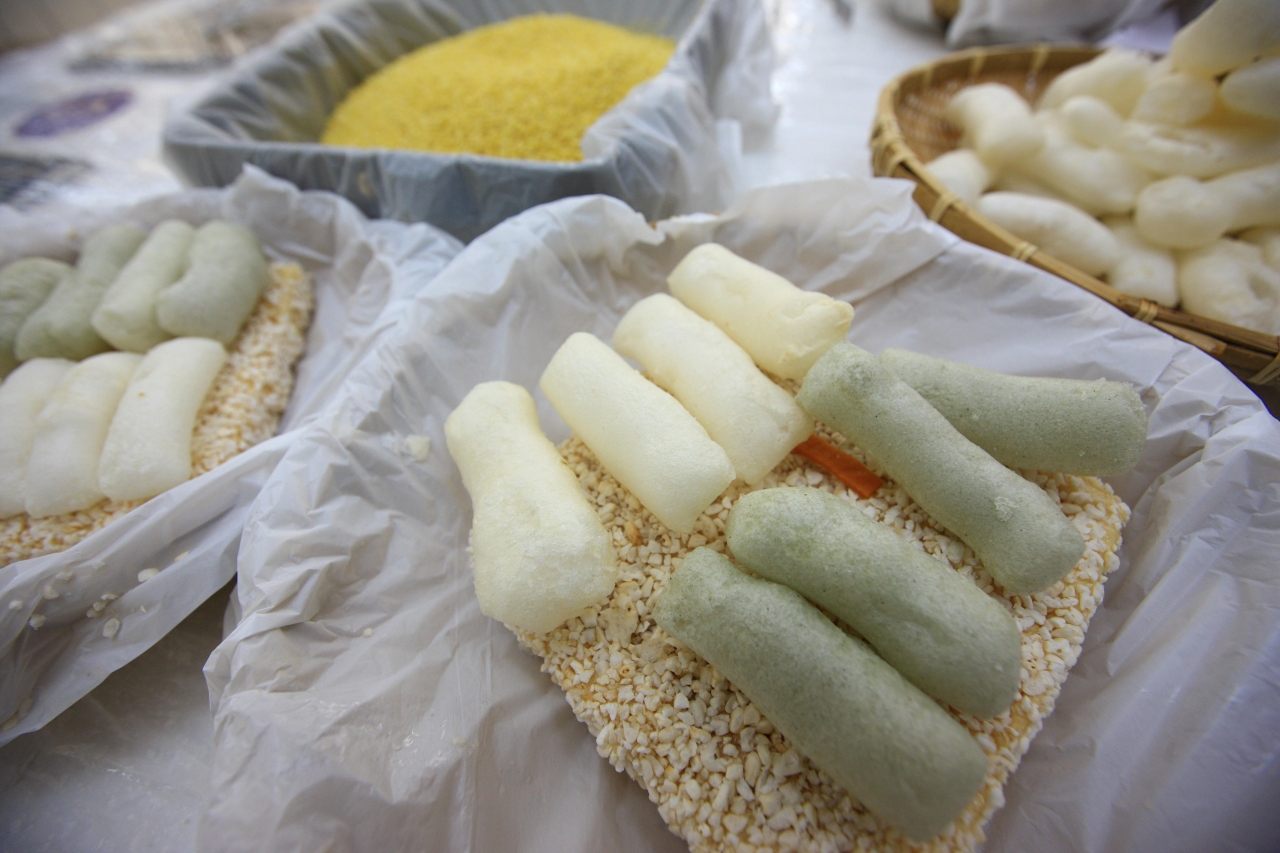
| Yugwa (유과) | Glutinous rice flour, grain syrup, puffed rice | Crisp, airy shell that shatters, with an interior that melts instantly like cotton candy. | Naturally gluten-free. Full of air pockets, making it incredibly light and easy to digest. |
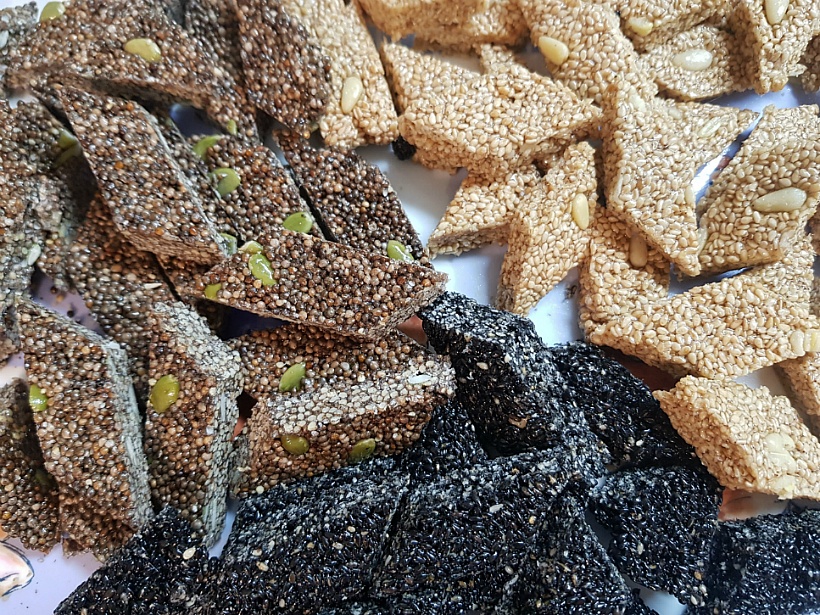
| Gangjeong (강정) | Glutinous rice, puffed grains, nuts, seeds, syrup | Crisp, crunchy, and highly textural. | A toasted, sweet snack often coated in black sesame, pine nuts, or puffed rice. |
| Dasik (다식) | Soybean powder, black sesame, pine pollen, honey | Dense and slightly crumbly, dissolving on the tongue. Intensely nutty and earthy. | Pressed into decorative wooden molds carved with auspicious symbols. A classic pairing with traditional tea. |
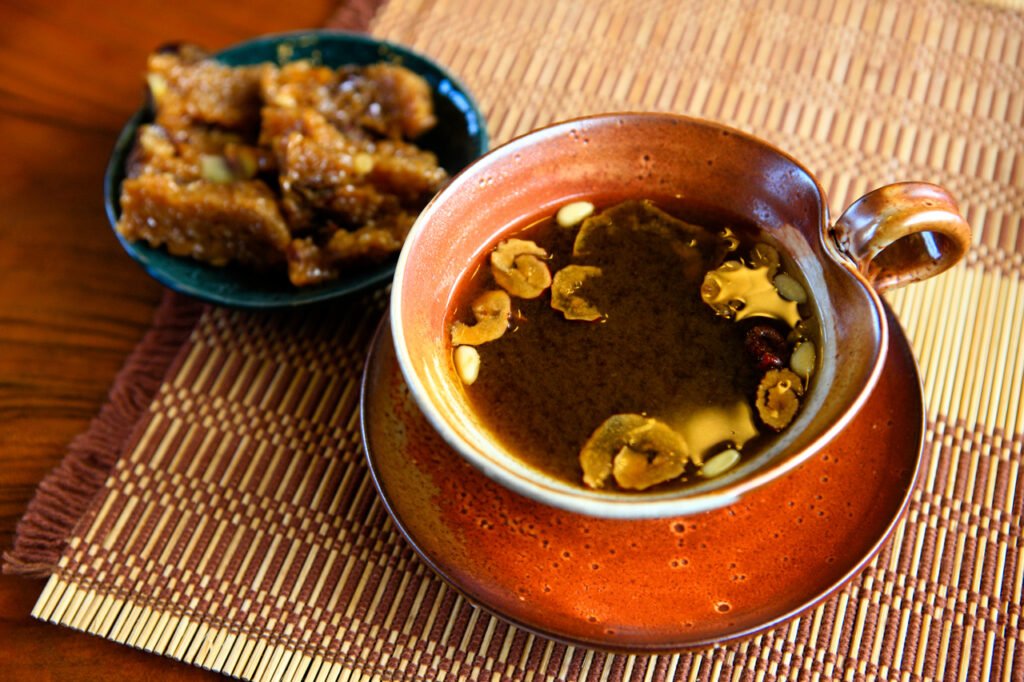
| Jeonggwa (정과) | Lotus root, bellflower root, ginger, citrus, honey | Jelly-like, chewy, and glossy, featuring concentrated natural flavors. | Made by slow-candying roots or fruits. Traditionally used for both preservation and health benefits. Vegan-friendly. |
| Yeot (엿) | Grains, malt, nuts, syrup | Ranges from extremely chewy to brittle and crunchy. | Korea’s traditional grain taffy. Often eaten by students before big exams for good luck (so knowledge “sticks” to them). |
A History Sweetened by Buddhism and Banned by Kings
The story of Hangwa is as rich as its flavors, beginning primarily with religion rather than indulgence. During the Goryeo Dynasty (918–1392), Buddhism was the state religion, and the consumption of meat was heavily restricted. As tea culture spread alongside Buddhist practices, the royal court and aristocrats needed sweet confections to balance the bitter taste of green tea. This led to a golden age of grain and honey-based desserts.
Yakgwa, the most famous of these sweets, carries a particularly colorful backstory. The character yak (약) in its name translates to “medicine.” In premodern Korea, pristine honey, high-quality sesame oil, and wheat flour were incredibly scarce and expensive. These ingredients were believed to have medicinal properties, earning any sweet made from them the prestigious title of a “medicinal confection.”
The Great Hangwa Bans
The popularity of these sweets eventually escalated into a national economic crisis. According to historical records like the Goryeosa, aristocrats were consuming so much wheat, honey, and oil for weddings, funerals, and Buddhist rituals that the prices of these staple goods skyrocketed, leaving commoners struggling.
In response, King Myeongjong of Goryeo issued a decree in 1192 ordering citizens to use plain fruits instead of yumilgwa (the pastry family yakgwa belongs to). A similar ban was enacted under King Gongmin in 1353. The debate continued well into the Joseon Dynasty, with 16th-century court officials arguing that the sweets served at ancestral rites had become overly extravagant. Folklore even suggests that during certain reigns, commoners caught secretly frying yakgwa were subject to flogging—a testament to how seriously the state viewed the economic threat of a honey cookie.
A Royal Craving: Suwon Yakgwa
Certain regions became historically famous for their sweets. Suwon yakgwa was highly renowned during the Joseon period. According to legend, when King Injo fell ill and lost his appetite for palace food, an attendant was quietly dispatched to Suwon to procure their famous local yakgwa. The local official initially hesitated, fearing it improper to send private food to the king without a formal royal decree, but the incident cemented the legendary status of Suwon’s confections.
The “Halmaenial” Boom: How Hangwa Got Cool Again
If you scroll through Korean social media today, you will witness the “halmaenial” (halmoni/grandmother + millennial) trend in full force. Young Koreans have aggressively embraced the nostalgic flavors of their grandparents’ generation, turning traditional ingredients into highly Instagrammable lifestyle trends.
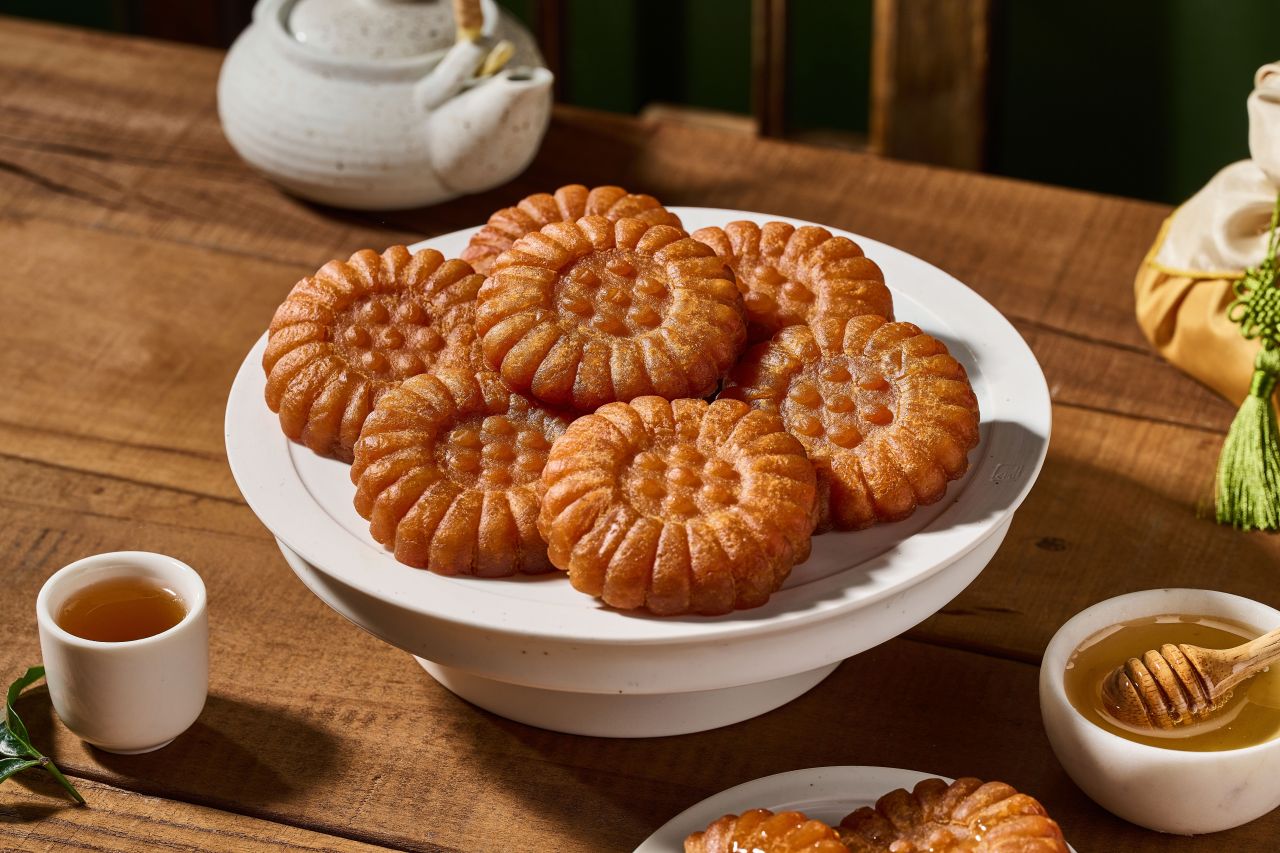
Western-style cafés across Seoul are now famous for their fusion desserts. The most prominent is the Yakgwa Cookie—a thick, New York Levain-style cookie topped with a sticky yakgwa and often stuffed with cream cheese. Yakgwa financiers, yakgwa tiramisu, and yakgwa served over vanilla soft-serve ice cream have become staple menu items. The hype has even crossed borders; in recent years, imported yakgwa began flying off the shelves at American warehouse stores like Costco.
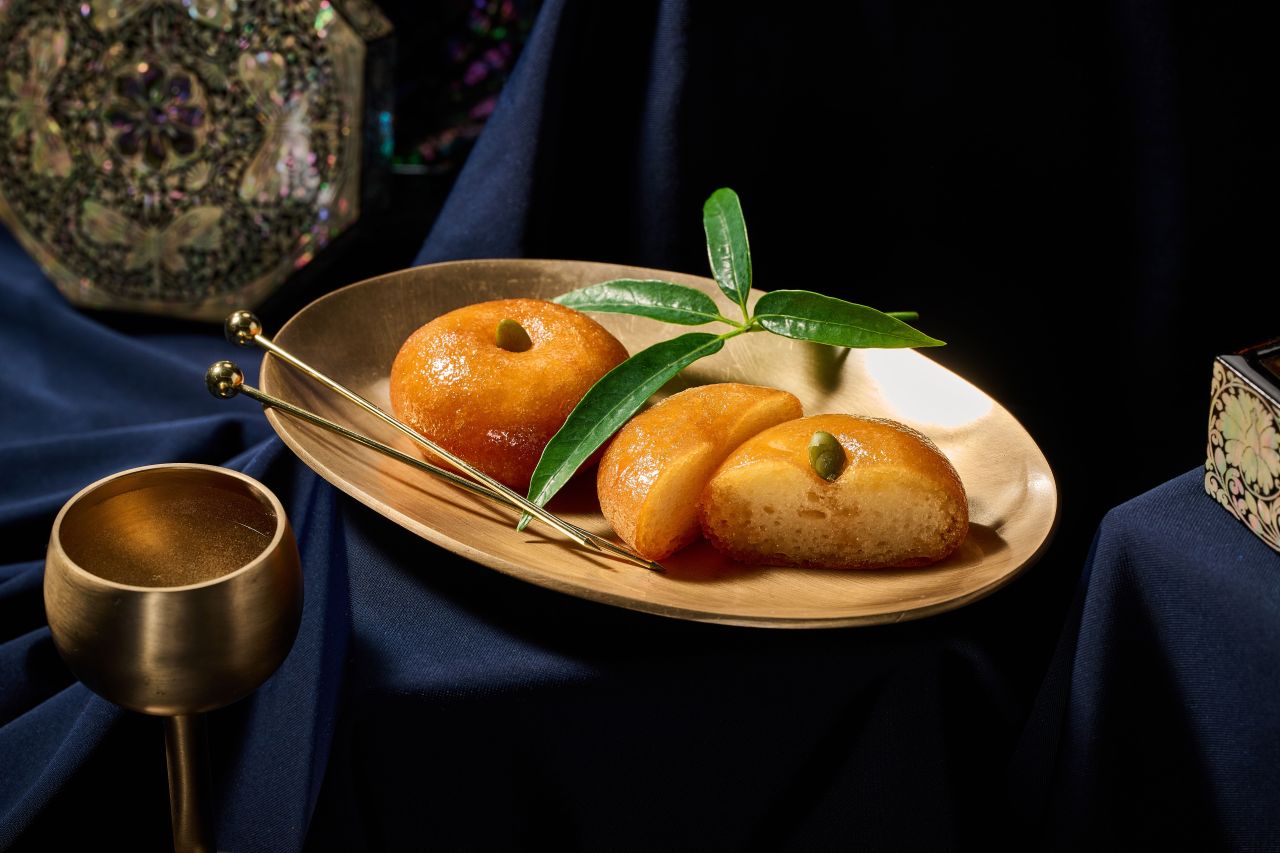
Another massive trend in 2026 is the rise of Gaeseong Juak (개성주악). Made by fermenting glutinous rice flour with makgeolli (Korean rice wine), shaping it into small glossy spheres, deep-frying it, and coating it in grain syrup, it is often dubbed the “Korean doughnut.” Biting into it releases a burst of sweet syrup, making it the most sought-after item in luxury dessert boutiques.
Famous Regional Specialties Worth Seeking Out
Like most traditional Korean foods, Hangwa has strong regional identities tied to local agriculture and ancestral techniques.
- Gangneung Sacheon Hangwa Village (강릉 사천 모래내 한과마을): Boasting over 130 years of history, this coastal village is dedicated to producing Yugwa. Their glutinous rice yugwa is universally praised for its incredibly soft, melt-in-the-mouth texture. Around Lunar New Year, the entire village works day and night to fulfill nationwide orders.
- Damyang Changpyeong Hangwa & Rice Yeot (담양 창평): Located in Jeollanam-do, this area is Korea’s best-known source for crisp hangwa and ssal-yeot (rice taffy). Unlike Western toffee, Changpyeong rice taffy shatters crisply in the mouth without stubbornly sticking to the teeth. Local legend traces this technique back to the early Joseon dynasty when Grand Prince Yangnyeong retired to this area, and his palace attendants taught the locals royal syrup-making techniques.
- Gaeseong (개성): Though located in North Korea today, its culinary legacy thrives in the South. It is the birthplace of the ultra-trendy Gaeseong Juak and Gaeseong Mo-yakgwa, a large, square-shaped yakgwa celebrated for its flaky, pastry-like layers.
- Chungju (충주): Famous for its apple orchards, this region has adapted the traditional jeonggwa technique to create Apple Jeonggwa, combining concentrated tart apple flavors with a chewy, candied texture.
Where to Buy Authentic Hangwa in Korea (2026 Guide)
Travelers do not need to hunt down rural villages to try excellent Hangwa. Here are the best places to find premium and authentic traditional sweets in Korea:
- Golden Piece (골든피스): Located in trendy Hannam-dong, this premium boutique has elevated yakgwa into luxury gifting. They infuse modern ingredients like Earl Grey and chocolate into traditional yakgwa, presenting them in stunning tin cases. It is a prime example of modern K-dessert branding.
- Yeonlihuijae (연리희재): A major player in the Gaeseong Juak boom. They craft beautiful, glossy juak topped with everything from fresh seasonal fruits to gold leaf. You can find their flagship stores or pop-ups in major department stores.
- Hangwa Culture Museum Hangaone (한과문화박물관 한가원): Located in Pocheon, this is the perfect destination for travelers wanting to look beyond the display case. The museum explains the history and tools of confectionery making and offers hands-on programs where visitors can craft traditional sweets themselves.
- Insadong (인사동) & Traditional Markets: Seoul’s cultural hub, Insadong, is packed with traditional teahouses and shops selling freshly made yugwa and dasik. For casual snacking, local markets like Mangwon or Gwangjang offer affordable, freshly fried yakgwa.
- Department Stores & Convenience Stores: The basement food halls of Lotte, Shinsegae, and Hyundai department stores carry high-end Hangwa gift sets year-round. Conversely, for a quick and cheap taste, convenience stores like CU and GS25 sell individually wrapped mini yakgwa that are surprisingly addictive.
📌 Local Note: A beautifully wrapped Hangwa box is a highly regarded, thoughtful gift for a Korean host, business partner, or teacher. It is arguably a much safer and culturally appreciative choice than bringing Western chocolates.
FAQ: What Foreigners Ask About Hangwa
Is it as heavily sweetened as Western desserts?
Generally, no. Because Hangwa relies on jocheong (slow-reduced grain syrup) or natural honey rather than refined white sugar, the sweetness is deeper, earthier, and much more restrained. It is designed to be balanced by the nuttiness of roasted grains and sesame oil, rather than hitting the palate with an overwhelming sugar rush.
Are Korean traditional desserts Vegan or Gluten-Free?
It depends entirely on the type. Yugwa, Dasik, and Jeonggwa are made primarily from glutinous rice or soybean powder, making them naturally gluten-free. Yakgwa, however, is made with wheat flour and is not gluten-free. Regarding vegan diets, Hangwa naturally contains no dairy or eggs, but honey is a frequent binder. Strict vegans should look for variations made exclusively with grain syrup.
How should I eat and store them for the best experience?
Texture and temperature are crucial. Yakgwa is often best enjoyed slightly chilled so it becomes delightfully chewy, paired excellently with a bitter traditional tea or black coffee to cut the richness. Yugwa, on the other hand, loses its signature crispness quickly when exposed to air. Always keep yugwa tightly sealed and eat it at room temperature to appreciate its airy crunch.
Can I bring Hangwa home as a souvenir?
Yes. Most commercially packaged or gift-boxed Hangwa (like yakgwa and yugwa) are shelf-stable for several weeks at room temperature and travel very well in a suitcase. This durability is exactly why they remain one of the most popular cultural souvenirs for departing travelers at Incheon Airport.
Korean Culture portal KCulture.com

The KCulture Editorial Team is dedicated to providing deep insights and accurate information about the vibrant world of Korean culture.