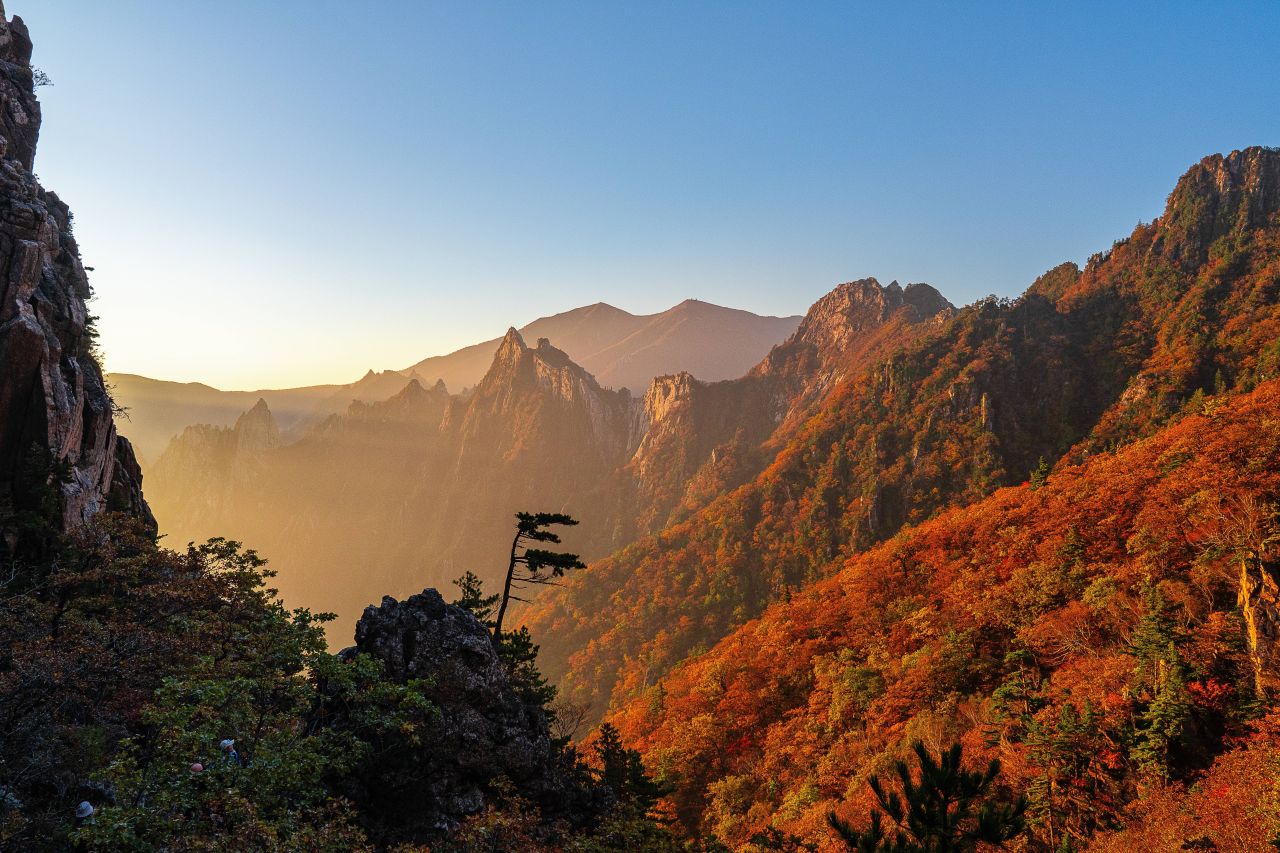
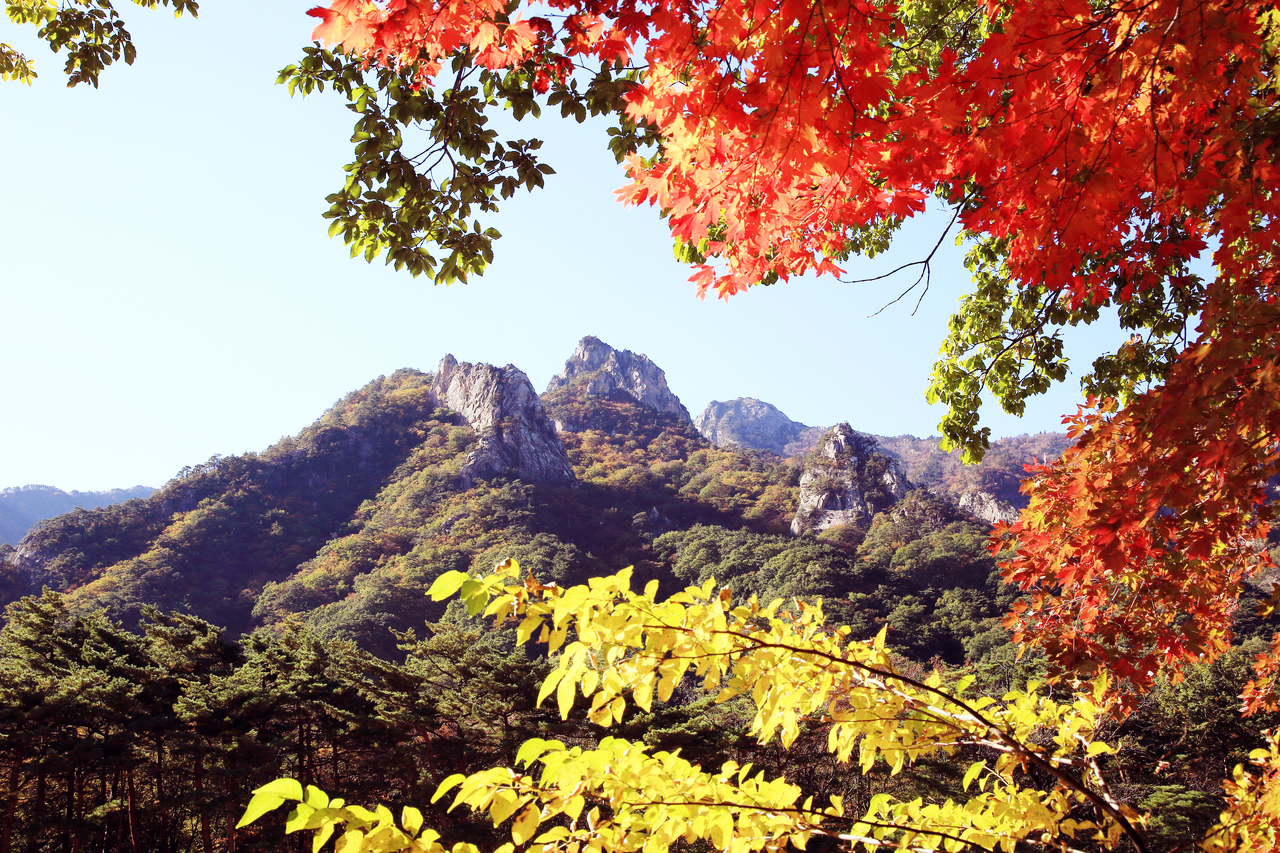
Seoraksan National Park (설악산국립공원) is the premier destination for autumn foliage in South Korea, offering a dramatic combination of towering granite peaks, deep valleys, and ancient Buddhist temples. For travelers planning an autumn visit, the peak foliage typically occurs between mid to late October, making it the perfect time to experience both leisurely valley strolls and challenging alpine treks. Because the mountain’s elevation ranges from sea level to 1,708 meters, the autumn colors cascade down the slopes over several weeks, creating a breathtaking gradient of crimson, gold, and orange.
Planning a trip to this renowned national park can seem daunting with its multiple trails, fluctuating weather, and massive seasonal crowds. This comprehensive guide breaks down everything needed for a flawless autumn visit. From selecting the right trekking course based on fitness levels and understanding the cultural legends behind the peaks, to practical tips regarding transportation, guided tours, and post-hike dining, this article will help you navigate Seoraksan with the confidence of a seasoned local.
- The Allure of Autumn in Seoraksan
- When to Go: Peak Foliage Timing & Weather
- Hiking and Trekking Courses Compared
- Culture, History, and Must-See Landmarks
- 1-Day and 2-Day Recommended Itineraries
- Essential Tips for Foreign Visitors
- After-Hike Food Culture
- Frequently Asked Questions (FAQ)
- Explore More of Korea
The Allure of Autumn in Seoraksan
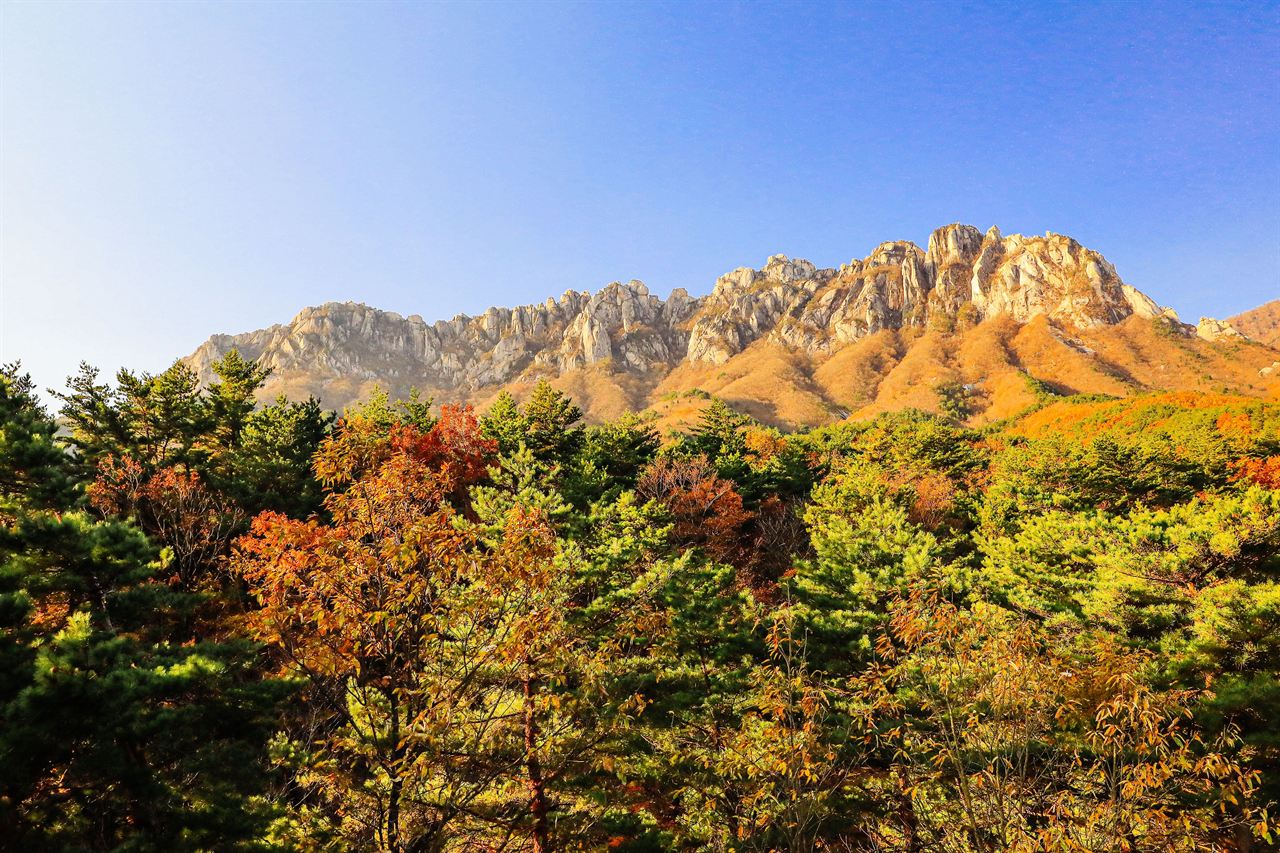
Located in Gangwon State near the coastal city of Sokcho (속초), Seoraksan is South Korea’s third-highest mountain. What makes this national park exceptionally special in the fall is the vertical transformation of the landscape. Unlike flat regions where trees change color simultaneously, Seoraksan’s steep topography means the autumn transition starts at the highest ridges in late September and slowly rolls down into the valleys by late October.
This creates a dynamic environment where visitors can witness vibrant red maple leaves framed by stark, white granite cliffs and the blue expanse of the East Sea in the distance. The park caters to everyone—from families utilizing the cable car to serious mountaineers scaling rocky ridges. To compare Seoraksan with other stunning autumnal spots, consider checking out the Best Korea Autumn Foliage Destinations.
When to Go: Peak Foliage Timing & Weather
Timing a visit to Seoraksan requires understanding the difference between “first foliage” and “peak foliage.” The first signs of color usually appear at the highest elevations (around Daecheongbong Peak) in late September or early October. However, the most spectacular overall display—when the lower valleys and popular tourist trails are ablaze with color—is generally from mid to late October (typically October 15 to October 25).
Weather Warnings and Preparation
Mountain weather during the Korean autumn is notoriously deceptive. While the city of Sokcho might feel comfortably mild, temperatures on the mountain trails drop sharply, especially in the early mornings and late afternoons.
- Layering is Non-Negotiable: Always wear moisture-wicking base layers, a warm fleece, and a windproof outer jacket that can be easily removed.
- Footwear: Morning dew makes granite steps incredibly slippery. Proper hiking shoes with strong grip are essential for any route beyond the paved valley paths.
💡 Local Note on Crowds: Autumn weekends in Seoraksan are the busiest time of the year. Traffic leading to the entrance can result in hours of delay. Visiting on a weekday is highly recommended. If a weekend is unavoidable, aim to arrive at the park entrance before 7:00 AM.
Hiking and Trekking Courses Compared
Seoraksan offers a diverse network of trails. It is crucial to choose a route that matches your physical fitness rather than attempting a famous peak simply for the sake of it. If you are new to the Korean trail system, reading the Complete Guide for Foreign Travelers on Hiking in Korea is a great starting point.
| Course Type | Route Name | One-Way Time | Difficulty | Details & Preparation |
|---|---|---|---|---|
| Sightseeing (No Hike) | Gwongeumseong Cable Car | 10 mins (Ride) | Very Easy | Offers panoramic views at 700m elevation. After exiting the cable car, a 10-minute walk leads to the rocky fortress summit. Perfect for families; sneakers are sufficient. |
| Light Trekking | Biseondae (비선대) | 1 hour | Easy | A predominantly flat, scenic stroll through a lush forest alongside a crystal-clear stream. Ideal for casual tourists looking for beautiful autumn photography without exertion. |
| Moderate Walk | Biryong Falls (비룡폭포) | 1.5 hours | Easy to Moderate | Follows a forested valley past several smaller waterfalls. The optional final stretch to the Towangseong Falls Observatory involves over 800 steep stairs and requires decent stamina. |
| Serious Hiking | Ulsanbawi (울산바위) | 2 to 2.5 hours | Hard | The signature day hike. The trail concludes with infamous, seemingly endless steel stairs built directly into the cliffside. The 360-degree summit view is spectacular. Hiking boots and ample water are mandatory. |
| Alpine Climbing | Daecheongbong via Osaek | 4 hours (Ascent only) | Very Hard | The shortest but steepest route to the 1,708m summit. This is a grueling, relentless staircase of rock and wood. Recommended only for highly fit, experienced hikers. |
Culture, History, and Must-See Landmarks
The beauty of Seoraksan is deeply intertwined with Korea’s history, religion, and folklore. Exploring these narratives adds profound depth to any visit.
The Meaning of “Seorak”
According to the Joseon Dynasty’s geographical record, Dongguk Yeojiseungnam, the name “Seorak” combines the characters for snow (Seol) and great mountain (Ak). Historical texts noted that the mountain began accumulating snow around Chuseok (the autumn harvest festival) and held onto it until the following summer. This enduring image has long cemented the mountain’s status as a mystical, awe-inspiring natural force.
Sinheungsa Temple (신흥사)
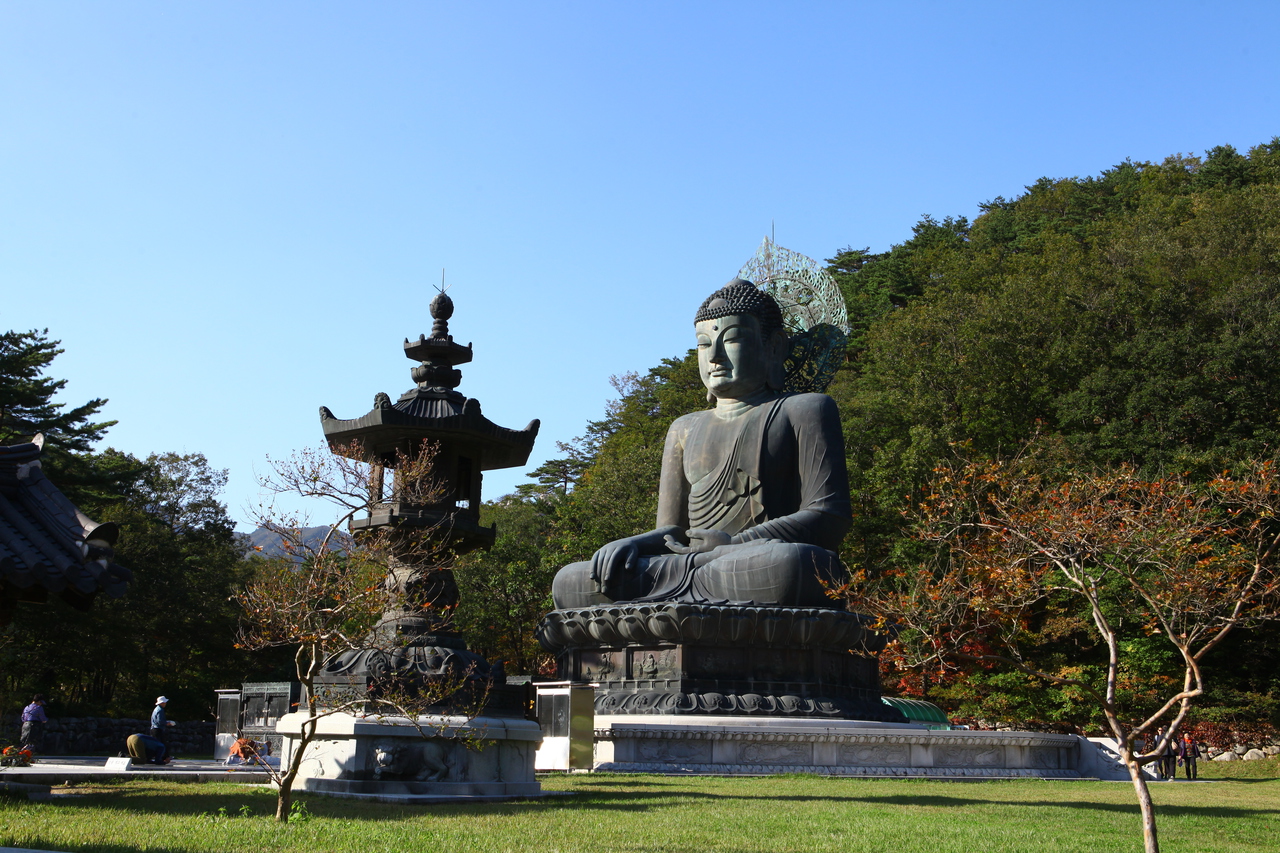
Located just past the main entrance, Sinheungsa is considered one of the oldest Seon (Zen) Buddhist temples in the world, with origins dating back to 652 AD during the Silla Dynasty (originally named Hyangseongsa). Visitors are greeted by the magnificent Tongil Daebul, a 14.6-meter-tall bronze seated Buddha representing hopes for the peaceful reunification of Korea. The temple grounds, set against the backdrop of fiery autumn foliage, provide an incredibly serene atmosphere.
Gwongeumseong Fortress (권금성)
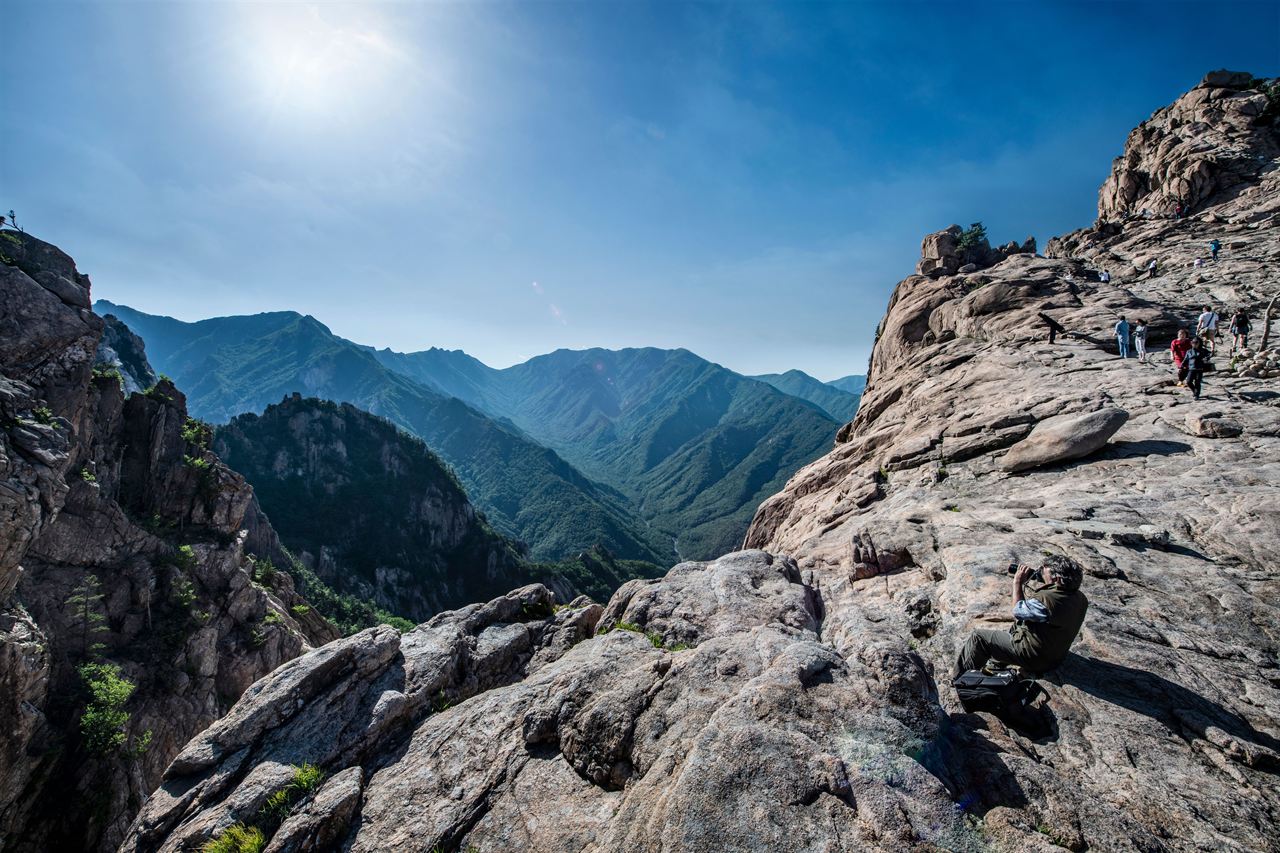
Reachable via the cable car, this rocky plateau at roughly 800 meters was once the site of a fortress. Local legend claims it was built overnight during the Goryeo Dynasty by two generals, Gwon and Kim, to protect the local population from invading Mongol forces. Though only scattered foundation stones remain today, the sheer cliffs and the sweeping views over Sokcho tell a silent story of ancient resilience.
Heundeulbawi (흔들바위)
Situated on the trail to Ulsanbawi, this massive, spherical “Rocking Rock” rests precariously on a wider stone base. Folklore dictates that the rock will sway slightly whether pushed by a single person or a hundred people. Posing for a photo while pretending to push the boulder off the cliff is a cherished tradition for travelers.
1-Day and 2-Day Recommended Itineraries
The Efficient Day Trip (From Seoul)
This itinerary is perfect for visitors who want to experience the highlights without physical exhaustion.
- 6:30 AM: Depart from Seoul Express Bus Terminal.
- 9:00 AM: Arrive in Sokcho and take local Bus 7 or 7-1 to Seoraksan Small Park (Sogongwon).
- 10:00 AM: Explore Sinheungsa Temple and admire the Great Bronze Buddha.
- 11:00 AM: Ride the Gwongeumseong Cable Car for breathtaking aerial views of the autumn canopy.
- 1:00 PM: Enjoy a light trek along the flat Biseondae trail to immerse yourself in the autumn valley.
- 3:30 PM: Have a late lunch of traditional mountain cuisine near the park entrance.
- 5:30 PM: Head back to Sokcho for a quick look at the coastal city before catching an evening bus back to Seoul.
The 1-Night, 2-Day Immersive Journey
Staying overnight allows for a much richer experience, combining serious hiking with local coastal culture.
- Day 1 (Arrival & Coastal Vibe): Arrive in Sokcho by midday. Head to the park for a moderate afternoon hike to Biryong Falls and the Towangseong Observatory. In the evening, explore Sokcho Jungang Market to sample fresh seafood, squid sundae, and the famous sweet-and-sour fried chicken (Dakgangjeong). Stay overnight in Sokcho.
- Day 2 (The Summit Push): Wake up before 6:00 AM to beat the traffic. Enter the park and conquer the challenging Ulsanbawi hike. The morning light hitting the autumn leaves and the granite peaks is unforgettable. After descending, relax at a seaside cafe in Sokcho before returning to Seoul.
Essential Tips for Foreign Visitors
1. Seamless Public Transportation
Renting a car is completely unnecessary for this trip. The express bus from Seoul to Sokcho takes approximately 2.5 hours. Upon arriving at the Sokcho terminal, visitors can simply tap their T-money transit card on local buses (No. 7 or 7-1), which drop passengers directly at the Seoraksan National Park entrance.
2. Hassle-Free Guided Day Tours from Seoul
If navigating intercity buses and peak-season traffic seems overwhelming, booking a guided day-trip package from Seoul is a highly practical alternative. During the October foliage season, numerous travel platforms and local Korean agencies offer affordable, all-inclusive round-trip bus tours.
These seasonal packages typically depart early in the morning from major tourist hubs like Myeongdong (명동) or Hongik University (홍대). They include comfortable round-trip transportation, an English-speaking guide, and ample free time to explore the park independently. For many international visitors, this is the most stress-free way to guarantee transportation and avoid the anxiety of sold-out bus tickets on busy autumn weekends.
3. Free National Park Admission (Update)
In the past, international guides often warned of a mandatory cultural heritage fee required to enter the park area managed by Sinheungsa Temple. As of May 2023, this fee was officially abolished nationwide. Entry into Seoraksan National Park is now entirely free. Note that parking fees and cable car tickets must still be purchased separately.
4. World-Class Trail Infrastructure
International hikers are frequently amazed by the pristine condition of Korean mountain trails. Seoraksan features well-engineered wooden boardwalks, rubber-matted paths to prevent slipping, heavy-duty safety railings on sheer drops, and remarkably clean public restrooms located even halfway up the mountain.
After-Hike Food Culture
In Korea, a hike is not considered complete until the “Dwit-puri” (after-party or post-hike meal) takes place. The village of restaurants clustered near the park entrance specializes in this deeply rooted culinary tradition.
Weary hikers gather at wooden tables to share large, crispy Haemul Pajeon (Seafood and Green Onion Pancake) and bowls of Sanchae Bibimbap (Rice mixed with locally foraged wild mountain vegetables). This hearty meal is almost universally paired with Makgeolli, a traditional, milky, slightly sparkling rice wine served cold in brass bowls. Experiencing this lively, communal dining atmosphere is just as important as the hike itself.
Frequently Asked Questions (FAQ)
Can I book the Gwongeumseong Cable Car in advance?
No. Tickets for the cable car are sold exclusively on-site on a first-come, first-served basis for the current day. Operations are heavily dependent on wind and weather conditions. During peak autumn weekends, expect long queues and aim to purchase your ticket as soon as you arrive.
Is the hike to Daecheongbong Peak suitable for beginners?
Absolutely not. Reaching the main summit (Daecheongbong) requires navigating incredibly steep terrain with immense elevation gain over several hours. It should only be attempted by physically fit individuals with proper alpine hiking experience, appropriate footwear, and survival gear.
What if I visit after the peak foliage has passed?
Seoraksan remains stunning even in late autumn. As the leaves fall, the dramatic, rugged granite bones of the mountain become more visible, offering a stark, beautiful landscape. Furthermore, the lower valleys often retain their colors longer than the peaks.
Explore More of Korea
If you are planning an extended trip across South Korea, consider adding these unique destinations and seasonal festivals to your itinerary:
- Why You Must Visit Tongyeong: Korea’s Hidden Coastal Gem
- Haneul Park in Seoul: From Landfill to Beautiful Eco-Park
- Woljeongsa Temple: Healing Forests & Historic Treasures
- 2026 K-Royal Culture Festival Autumn Guide: Dates & Tickets
- Suwon Hwaseong Festival 2026: Dates, Parade & Travel Tips
- Exploring Donggureung: Korea’s Largest Royal Tombs
- Maekmundong: The Secret Purple Flowers of Korean Summer
- Korean Mudflat Experience: Clam Digging Guide

Founder of Kculture.com and MA in Political Science. He shares deep academic and local insights to provide an authentic perspective on Korean history and society.