
Korea Autumn Festivals by Travel Style: 2026 Local Picks
With so many autumn festivals across Korea, it is only natural to wonder which ones are genuinely worth adding to a trip. The best choice is not always the biggest event: it is the festival that matches the way you like to travel, whether that means watching folk performers, walking through historic streets after dark, tasting one regional specialty, joining a harvest activity, or photographing flowers and silver grass.
This guide to Korea autumn festivals by travel style selects 19 established events taking place in October and November 2026. The emphasis is on festivals with a strong local identity, a meaningful history, or recognition from Korean tourism and cultural organizations—not simply events with a popular singer lineup.
- Korea Autumn Festivals 2026 at a Glance
- How These Local Festivals Were Selected
- Best for Live Traditional Performances
- Best for History and Night Walks
- Best for Harvest and Rural Experiences
- Best for Regional Food and Drink
- Best for Flowers, Silver Grass, and Photos
- Choose by Itinerary and Transport Style
- Reservations, Transport, and Local Tips
- Frequently Asked Questions
- More Korea Autumn Travel Ideas
Korea Autumn Festivals 2026 at a Glance
The calendar below makes the first decision easy. “Confirmed” means that a 2026 date has been published by the organizer or Korea Tourism Organization. “Expected” means the event has not announced its 2026 dates and the estimate is based on its recent annual pattern.
| Travel style | Festival | 2026 dates | Status |
|---|---|---|---|
| Traditional performance | Bupyeong Pungmul Festival | October 2–4 | Confirmed |
| Traditional performance | Anseong Namsadang Baudeogi Festival | October 2–5 | Confirmed |
| Traditional performance | Yeongdong Nangye Gugak Festival | October 15–18 | Confirmed |
| History and night walks | K-Royal Culture Festival | October 7–11 | Confirmed |
| History and night walks | Incheon Open Port Heritage Night | October 9–11 | Confirmed |
| History and night walks | Gangdong Prehistoric Culture Festival | October 16–18 | Confirmed |
| History and night walks | Gunsan Time Travel Festival | October 2–5 | Confirmed |
| Harvest and rural life | Gimje Horizon Festival | October 1–5 | Confirmed |
| Harvest and rural life | Icheon Rice Culture Festival | October 14–18 | Confirmed |
| Harvest and rural life | Yeoju Ogok Naru Festival | October 23–25 | Confirmed |
| Harvest and rural life | Cheongsong Apple Festival | November 4–8 | Confirmed |
| Food and drink | Hoengseong Hanwoo Festival | October 7–11 | Confirmed |
| Food and drink | Sunchang Fermented Sauce Festival | October 15–18 | Confirmed |
| Food and drink | Gangneung Coffee Festival | October 21–25 | Confirmed |
| Food and drink | Goheung Yuja Festival | November 12–15 | Confirmed |
| Flowers and photography | Jangseong Hwangnyong River Autumn Flower Festival | October 8–11 | Confirmed |
| Flowers and photography | Gwangju Seochang Silver Grass Festival | October 15–18 | Confirmed |
| Flowers and photography | Hwasun Dolmen Autumn Flower Festival | October 16–25 | Confirmed |
| Flowers and photography | Seoul Silver Grass Festival | Approximately October 17–23 | Expected; not confirmed |
Important date note: Even when the festival dates are confirmed, performance times, shuttle routes, paid experiences, and reservation pages can change. Check the linked organizer or Korea Tourism Organization page again shortly before traveling.
How These Local Festivals Were Selected
Korea has an enormous number of autumn events, but not every local market with a stage is worth a long journey. These choices favor festivals that have developed a recognizable identity over many years, use a real local landscape or cultural tradition, and give travelers a reason to visit that particular town.
Recognition as a Korean Culture and Tourism Festival was considered a useful quality signal, along with a long operating history and selection as a provincial representative festival. However, such recognition does not guarantee English-language service or simple public transportation. Local logistics still matter.
This article also avoids repeating the large national events already covered in Top 10 Autumn Festivals in South Korea to Experience in 2026. Think of that guide as the famous highlights list and this one as a more personal decision tool.
Best for Live Traditional Performances
Choose this group if you would rather hear drums and watch acrobatics than spend the day browsing food stalls. The three festivals share a traditional theme, but the actual experiences are quite different: Bupyeong is a citywide street celebration, Anseong centers on professional itinerant folk performance, and Yeongdong goes deeper into Korean traditional music.
Bupyeong Pungmul Festival: Best Easy Trip from Seoul
Dates: October 2–4, 2026; Location: Bupyeong-daero (부평대로) and the Bupyeong Station area, Incheon
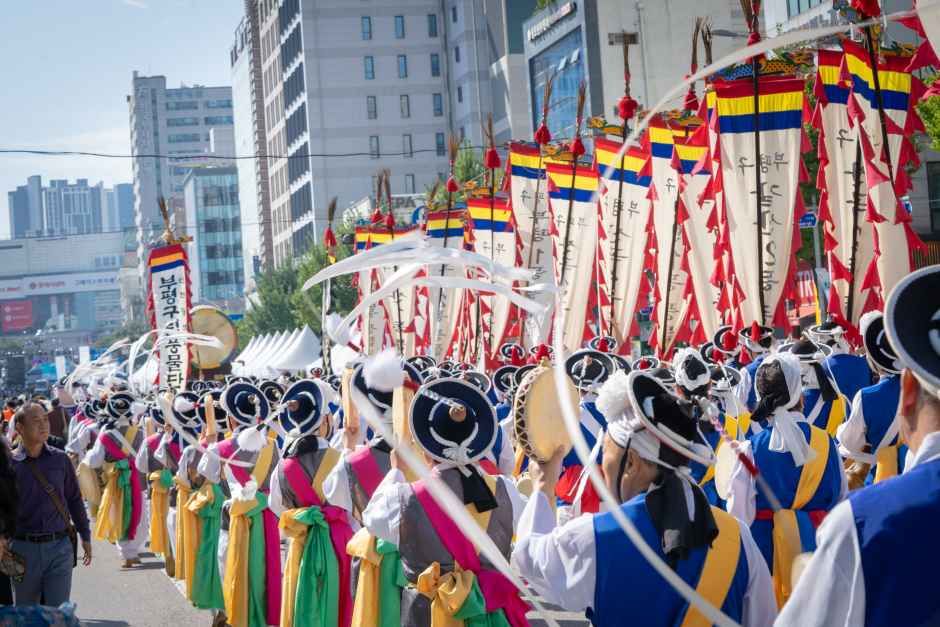
Bupyeong turns a busy urban district into a huge pungmul performance ground. Neighborhood troupes, professional performers, student teams, parades, and creative percussion competitions fill the streets with drums, gongs, dance, and collective energy. The festival began in 1997 and reaches its 30th edition in 2026, giving it much deeper roots than a temporary tourist show.
This is the practical choice for travelers based in Seoul. You can reach Bupyeong by subway, and the visual rhythm of the parade is enjoyable even when announcements are only in Korean. Go for street energy rather than polished palace aesthetics. General street viewing is usually open, while competitions or limited activities should be checked on the official tourism listing.
Anseong Namsadang Baudeogi Festival: Best Overall Folk Performance
Dates: October 2–5, 2026; Location: Anseong Matchum Land (안성맞춤랜드) and the Anseongcheon area
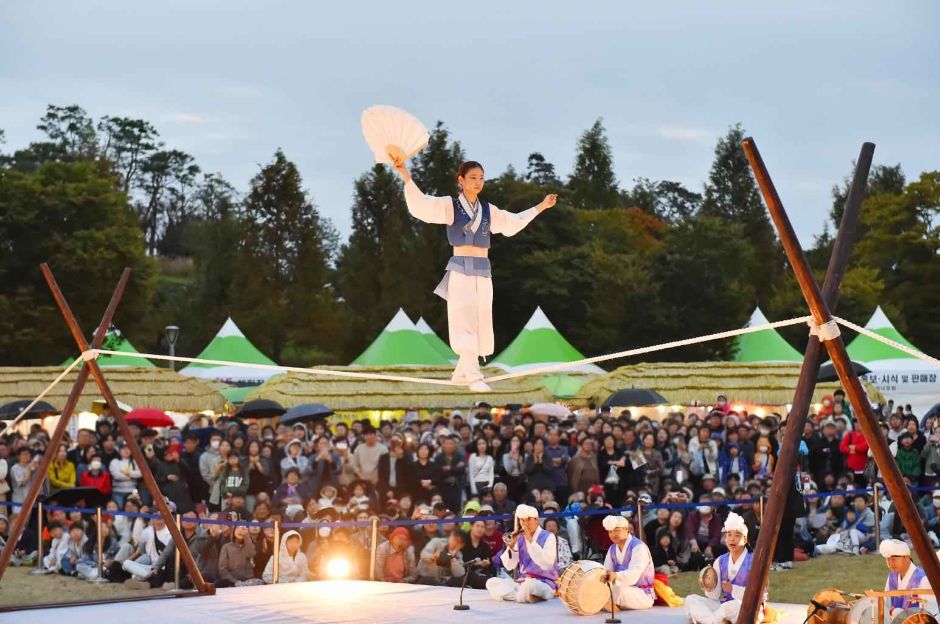
Anseong is the strongest all-around choice for first-time visitors because Namsadang performance is so immediately entertaining. Tightrope walking, spinning plates, acrobatics, mask play, puppetry, and percussion come together in a tradition once carried around the country by itinerant troupes. The festival’s name honors Baudeogi, the celebrated female leader of an otherwise male-dominated troupe in the late Joseon period.
The Baudeogi theme park, Namsadang performances, parade, and light programs are among the announced 2026 attractions. Some close-up experiences may require a separate booking, so check the official VisitKorea festival page. A Seoul day trip is possible, but the final bus or taxi transfer makes this less effortless than Bupyeong.
Yeongdong Nangye Gugak Festival: Best for Traditional Music Fans
Dates: October 15–18, 2026; Location: Yeongdong Rainbow Healing Plaza (영동 레인보우 힐링광장), Chungcheongbuk-do
This long-running event celebrates gugak, or Korean traditional music, in the hometown of early Joseon music theorist and court musician Park Yeon. The 2026 program includes orthodox and fusion gugak performances, folk dance, percussion competitions, hanbok experiences, and opportunities to make or play traditional instruments.
Yeongdong offers more depth than the average regional stage show, but it is a specialist choice. Explanations may be Korean-centered, and staying overnight is more comfortable than rushing back to Seoul. Admission is free, while some experiences are listed at approximately 5,000–15,000 won. Confirm details through the official Korea Tourism Organization page.
Best for History and Night Walks
These are not four versions of the same heritage festival. Together they move from the Neolithic period to the Joseon royal court, the opening of Korea’s modern ports, and the complicated colonial-era streetscape of Gunsan.
K-Royal Culture Festival: Best for a First Seoul Visit
Dates: October 7–11, 2026; a special eve performance is scheduled for October 6; Location: Seoul’s five royal palaces and Jongmyo Shrine (종묘)
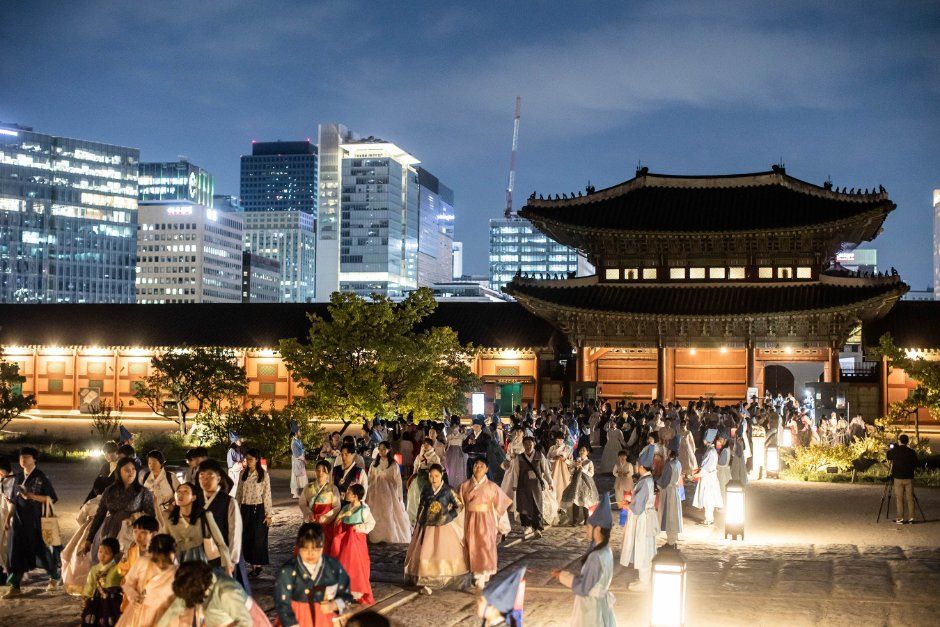
The autumn K-Royal Culture Festival layers performances, workshops, exhibitions, and evening programs onto Seoul’s historic palaces. The 2026 theme, “Palaces Awaken Art,” includes activities such as a hanbok banquet at Gyeongbokgung Palace (경복궁), a morning palace experience, a Gyujanggak scholar workshop, a Jongmyo architecture program, and waterside media art at Changgyeonggung Palace (창경궁).
Some events are freely viewable, but popular small-group experiences require advance reservations and may be limited by language or residency. Read the full 2026 K-Royal Culture Festival guide before booking, then follow the official booking instructions linked there.
Incheon Open Port Heritage Night: Best Capital-Area Evening Walk
Dates: October 9–11, 2026; Location: Incheon Open Port Cultural District (인천 개항장 문화지구)
Historic banks, trading buildings, former foreign concessions, and cultural venues are linked by lighting, storytelling, performances, markets, and guided walks. It is one of the easiest heritage-night programs to combine with Chinatown and Sinpo International Market (신포국제시장).
The atmosphere can feel nostalgic, but the district should not be reduced to attractive retro architecture. The port also records unequal foreign influence, rapid social change, and the colonial era. General walking is simple, while guided tours and special programs may require registration. Watch the official Heritage Night website for the final timetable and booking notices.
Gangdong Prehistoric Culture Festival: Best for Families
Dates: October 16–18, 2026; Location: Amsa-dong Archaeological Site (서울 암사동 유적), Seoul
At this unusual city festival, recreated pit houses and the actual archaeological setting introduce Neolithic life through hands-on activities, parades, performances, and family programs. Recent editions included prehistoric craft experiences, a resident parade, drone shows, and closing fireworks; the organizer should be checked before assuming all of those will return unchanged in 2026.
Families with children will get the most from a half-day visit that includes the site museum. Adults traveling alone may prefer to coordinate their arrival with a major performance or guided interpretation. Program updates appear on the official tourism listing.
Gunsan Time Travel Festival: Best Heritage Weekend
Dates: October 2–5, 2026; Location: the former city hall plaza and Time Travel Village (시간여행마을), Gunsan
Gunsan’s advantage is that its old customs house, bank buildings, warehouses, temples, and residential streets are not festival props. Period costumes, parades, role-play missions, exhibitions, and community performances unfold within a real modern cityscape. The result works especially well as a one-night trip with the Gunsan Modern History Museum, Dongguksa Temple, the Japanese-style house in Sinheung-dong, and Gyeongam-dong Railroad Village.
The city’s architecture also reflects Japanese colonial extraction, so treating the period only as playful “retro” scenery misses the most important context. The official festival website publishes programs, shuttle information, traffic controls, and participation notices.
Best for Harvest and Rural Experiences
Autumn food markets are common in Korea, but the best harvest festivals do more than sell produce. These four connect food to fields, waterways, seasonal labor, or the landscape where it is grown.
Gimje Horizon Festival: Best Overall Harvest Festival
Dates: October 1–5, 2026; Location: Byeokgolje Reservoir (벽골제) and surrounding areas, Gimje
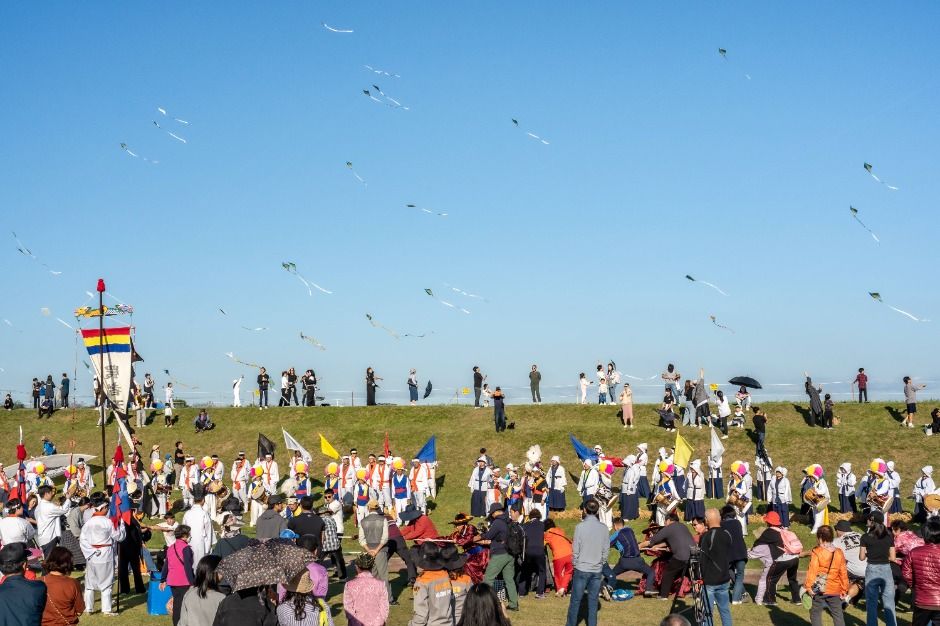
Gimje has the strongest sense of place in this category. The wide Honam Plain meets Byeokgolje, an ancient agricultural reservoir, creating the rare Korean landscape where the horizon really does appear open. Rice cooking over a traditional fire, grasshopper catching, rice harvesting and threshing, national nongak competitions, tug-of-war, and the Byeokgolje Twin Dragon Play turn agricultural history into something visitors can see and do.
This is the best choice for travelers who want one substantial rural festival, but the grounds are large and local connections take time. Consider sleeping in Jeonju or Iksan rather than forcing a Seoul day trip. Limited activities may use advance registration; check the official VisitKorea page and organizer notices.
Icheon Rice Culture Festival: Best Seoul-Area Family Option
Dates: October 14–18, 2026; Location: Bokhacheon Riverside Park (복하천 수변공원), Icheon
Icheon combines newly harvested premium rice with family-friendly farm culture. Large cauldron rice tastings, traditional agricultural activities, local produce markets, children’s performances, and the famous long rainbow garaetteok rice-cake pull have defined recent editions.
The important 2026 change is the venue: the festival is moving to Bokhacheon Riverside Park. Do not follow an old map to the former agricultural theme park. Because this is the first year at the new site, shuttle buses, parking, and station connections matter more than usual. Use the official Icheon Rice Culture Festival website for the new layout and transport plan.
Yeoju Ogok Naru Festival: Best for a Slow Riverside Day
Dates: October 23–25, 2026; Location: Silleuksa Temple Resort (신륵사관광지), Yeoju
Yeoju frames rice, sweet potatoes, and five grains around the story of Jopo Port, where regional produce traveled along the Namhan River and was presented to the royal court. Cast-iron-pot rice, roasted sweet potatoes, a royal tribute parade, traditional performances, tug-of-war, fire play, and riverside market scenes make this more atmospheric than a standard food fair.
Come for the river, Silleuksa Temple, and an unhurried market rather than a spectacular headline show. Most grounds are open, but individual experiences may have queues or fees. The official VisitKorea listing carries the 2026 program summary.
Cheongsong Apple Festival: Best November Harvest Trip
Dates: November 4–8, 2026; Location: Yongjeoncheon Stream and Hyeonbiam Cliff (현비암), Cheongsong
Cheongsong is one of Korea’s best-known apple regions, and its November festival arrives when mountain air and late foliage give the town a distinctly different mood from early October events. Recent signature activities have included a golden-apple search, apple-sorting games, apple percussion, farm sales, and regional food stalls.
The bigger travel reward comes from pairing the festival with Juwangsan National Park and Jusanji Reservoir. Roads and buses can be crowded when festival and foliage visitors overlap, so a one-night stay is much safer than a tight connection. Check the official VisitKorea page, and use the complete hiking guide for foreign travelers if adding a trail.
Best for Regional Food and Drink
These festivals are for travelers happy to build a day around one flavor. The four choices range from a premium beef meal and a lesson in Korean fermentation to an established coffee city and an aromatic citrus orchard.
Hoengseong Hanwoo Festival: Best for Beef Lovers
Dates: October 7–11, 2026; Location: Seomgang Riverside (섬강둔치), Hoengseong
Hoengseong is closely associated with premium Korean beef, and the festival’s producer sales areas and self-grilling zones let visitors choose meat and cook it on site. Food, farm products, performances, and activities round out the event, but the honest reason to travel here is the beef.
Admission may be free, but Hanwoo is not inexpensive festival street food; budget for a proper meal. The event is also a poor fit for vegetarians. Temporary KTX stops or shuttle services have operated in some years, but never assume they will repeat without checking the official festival listing.
Sunchang Fermented Sauce Festival: Best for Understanding Korean Flavor
Dates: October 15–18, 2026; Location: Sunchang Gochujang Village (순창고추장민속마을) and Fermentation Theme Park
Sunchang gives curious cooks a much better reason to travel than simply buying a jar of gochujang. The festival explores gochujang, doenjang, soy sauce, fermentation microbes, and the foods built around them. Sauce-making experiences, exhibitions, a royal tribute parade, music, tastings, and producers’ stalls show how jang functions as the foundation of Korean cooking.
General admission is free, but food stalls and some activities are paid. Hands-on workshops can fill and may be explained mainly in Korean, so contact the organizer if interpretation is essential. The official VisitKorea page links to the festival website and current contact details.
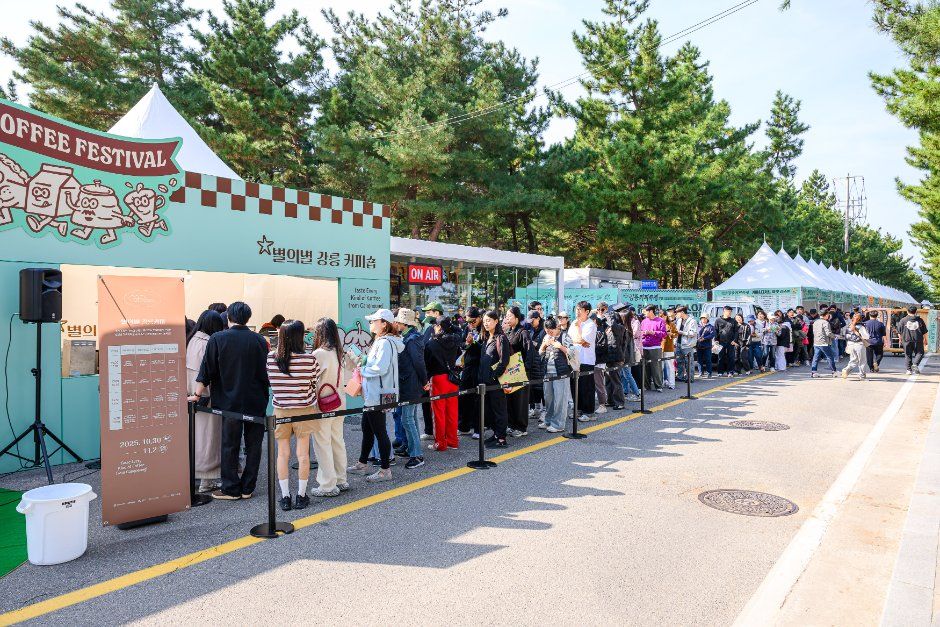
Gangneung Coffee Festival: Best All-Round Foodie City Break
Dates: October 21–25, 2026; Location: Gangneung Coffee Street and venues across Gangneung
Gangneung’s coffee story grew from seaside vending machines into a citywide culture of roasters, baristas, independent cafés, and oceanfront coffee streets. Tastings, brewing and roasting activities, café stamp tours, talks, and arts programs make the festival easy to enjoy even without committing to one main venue.
This is the most flexible regional festival in the article because beaches, markets, and cafés remain rewarding even if a scheduled event is full. Reserve weekend accommodation early and check venue changes on the official VisitKorea page. With extra time, combine Gangneung with Woljeongsa Temple or use the Seoraksan autumn foliage guide to plan a longer Gangwon trip.
Goheung Yuja Festival: Best Late-Autumn Road Trip
Dates: November 12–15, 2026; Location: Yuja orchards around Handong-ri (한동리), Goheung
Yellow yuja fruit, citrus fragrance, orchard scenery, yuja tea-making, food tastings, performances, and night lighting give this young festival a clear sensory identity. It is only the sixth edition in 2026, so it does not have the long history of most selections here. However, consecutive recognition as a representative Jeollanam-do festival shows that it is quickly establishing itself.
The remote rural setting is part of the charm and the main logistical weakness. The festival best suits a rental-car trip linking Goheung with Suncheon or Yeosu. Check the official festival website for advance activities and shuttle notices. If the journey continues east, the guide to Tongyeong’s coast and islands can help shape a longer southern itinerary.
Best for Flowers, Silver Grass, and Photos
These festivals have the lowest language barrier: the landscape is the main event. The best choice depends on whether you prefer a river garden, sunset over silver grass, prehistoric monuments among flowers, or an easy Seoul evening.
Jangseong Hwangnyong River Autumn Flower Festival: Best River Garden
Dates: October 8–11, 2026; Location: a 3.2-kilometer garden section along the Hwangnyong River (황룡강), Jangseong
Cosmos, zinnias, chrysanthemums, wildflowers, and landscaped photo areas fill the riverside with color. The 2026 edition also lists street arts, children’s programs, night events, and local produce, but the real attraction is a slow walk beside the flower fields.
This is a strong add-on to a Gwangju itinerary rather than an automatic cross-country destination for everyone. Arrive early for softer light and fewer people in the most popular photo zones. The official tourism listing has the current venue and contact information.
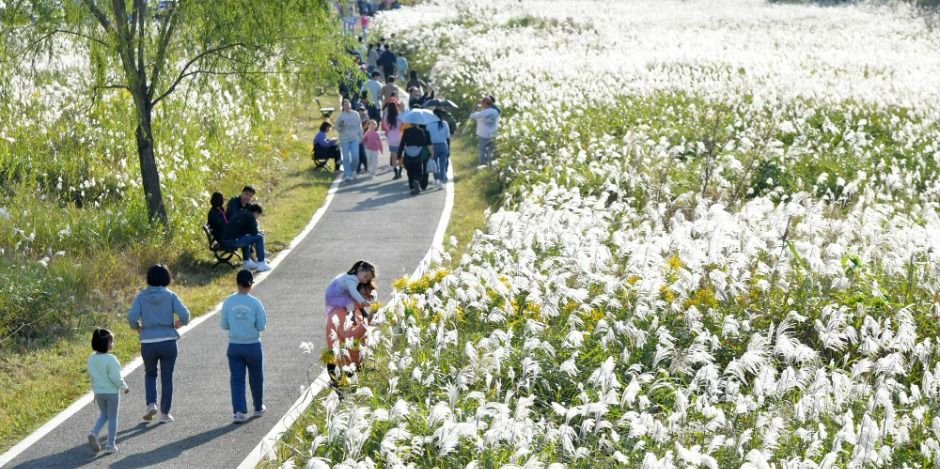
Gwangju Seochang Silver Grass Festival: Best for Sunset and Slow Travel
Dates: October 15–18, 2026; Location: Yeongsan River paths and Seochang fields (서창들녘), Gwangju
Seochang is designed as a restful festival rather than an exhausting checklist. Silver-grass paths, sunset programs, an LP lounge, sound walks, performances, a pet-walking program, and the silver-grass sunset run encourage visitors to spend time by the river instead of racing between booths.
The most atmospheric period begins in the late afternoon, but bring a light layer because temperatures fall quickly after sunset. It combines well with other Gwangju-area events. Review the final schedule and any advance application for the run through the official Gwangju Seochang festival website.
Hwasun Dolmen Autumn Flower Festival: Best Mix of Nature and History
Dates: October 16–25, 2026; Location: Hwasun Dolmen Site (화순 고인돌 유적), Jeollanam-do
Hwasun is the most distinctive photography choice because flower gardens sit beside a UNESCO-listed dolmen landscape. Chrysanthemum displays, themed gardens, dolmen walks, prehistoric clothing and jewelry, Bronze Age games, and reconstructed daily-life experiences give the visit more substance than a simple flower field.
The announced 5,000-won admission is returned as the same value in local vouchers, although conditions should be reconfirmed. Gwangju is a useful base, and a car simplifies the final connection. Follow the official tourism listing for current hours and ticket details.
Seoul Silver Grass Festival: Best for Convenience
Expected dates: approximately October 17–23, 2026; not yet confirmed; Location: Haneul Park (하늘공원), Seoul
Seoul’s silver-grass fields spread across a hill that was once part of a landfill and is now an ecological park. Recent festivals have added media art, lighting, busking, craft activities, and meditation to the sunset view. The date estimate follows the Saturday-to-Friday pattern of October 19–25 in 2024 and October 18–24 in 2025; do not make a nonrefundable plan around it until Seoul announces the 2026 schedule.
Weekend congestion is real around the Haneul Stairs, electric shuttle queue, and summit photo zones. A weekday before sunset is far calmer. Read the background in Haneul Park: From Landfill to Eco-Park and monitor the official tourism listing for the confirmed dates.
Choose by Itinerary and Transport Style
| Your trip format | Best choices | Why |
|---|---|---|
| Easy outing from Seoul | Bupyeong Pungmul, K-Royal Culture, Gangdong Prehistoric, Seoul Silver Grass | Subway or simple city transport; no regional hotel required |
| Capital-area evening | Incheon Open Port Heritage Night | Historic walking route, food market, and night atmosphere |
| One-night cultural trip | Gunsan Time Travel, Gimje Horizon, Yeongdong Nangye Gugak | More rewarding when transport pressure is removed |
| Family with children | Gangdong Prehistoric, Icheon Rice, Gimje Horizon | Hands-on activities and clear visual themes |
| Food-centered weekend | Gangneung Coffee, Sunchang Fermented Sauce, Hoengseong Hanwoo | A specific local food culture justifies the journey |
| Rental-car regional route | Cheongsong Apple, Goheung Yuja, Hwasun Dolmen Flowers | The best experiences lie beyond the main rail network |
| Quiet photography | Jangseong Flowers on a weekday morning; Seochang at sunset | Better light and less crowd pressure than headline festivals |
Local pick: If choosing only one festival from the entire article, select Anseong for traditional performance, Gimje for harvest culture, Gangneung for an easy city break, Incheon for a night walk, or Hwasun for the most unusual landscape.
Reservations, Transport, and Local Tips
- Reserve the limited experience, not the whole festival. Most grounds are free to enter, but palace programs, guided heritage walks, craft workshops, cooking experiences, races, and close-up performances may require advance application.
- Use the Korean page when the English page is incomplete. Browser translation is often enough to identify reservation buttons, dates, and shuttle maps. For help, the Korea Travel Helpline can be reached by dialing 1330 within Korea.
- Book transport before planning every performance. KTX and intercity buses can sell out on October weekends. Gangneung, Gunsan, and Cheongsong accommodation should also be secured early.
- Do not trust last year’s venue map. Icheon moves to Bokhacheon Riverside Park in 2026, and shuttle stops or road closures can change at many festivals.
- Arrive at opening time for activities. Saturday afternoons draw domestic families and tour groups. Morning is better for hands-on programs and clean photographs; late afternoon is best for silver grass and lighting.
- Free admission does not mean a free day. Food, premium beef, workshops, and local products are usually paid separately. Carry a physical payment card and some cash for small stalls.
- Expect limited English outside major destinations. Festival volunteers are often helpful, but stage narration and workshop instruction may be entirely in Korean.
- Dress for a wide temperature range. October afternoons can feel warm, while riverbanks and mountain towns become cold after sunset. November events in Cheongsong and Goheung need a proper outer layer.
Travelers adding mountain walks should compare festival timing with the broader guide to Korea’s best autumn foliage destinations. Peak color varies by altitude and region, so a festival date and the best foliage date will not always coincide.
Frequently Asked Questions
Do Korean autumn festivals usually require tickets?
Most regional festival grounds are free, but selected performances, workshops, heritage tours, and food experiences may be ticketed or reservation-only. Palace programs are the most likely to require advance booking.
Can international travelers book festival activities?
Often yes, but not always through an English booking page. Some platforms require a Korean phone number or local payment method. Check whether the organizer offers an international booking link, on-site allocation, or a contact email before building the entire trip around one activity.
Which festival is easiest without a car?
Bupyeong Pungmul Festival, the K-Royal Culture Festival, Gangdong Prehistoric Culture Festival, and Seoul Silver Grass Festival are easiest by subway. Incheon Open Port Heritage Night is also straightforward from Seoul. Gangneung is manageable by KTX, although individual festival venues may be spread around the city.
Which choices are best in November?
Cheongsong Apple Festival is the stronger choice for harvest scenery and a mountain itinerary, while Goheung Yuja Festival suits a slower southern road trip. Seoul and central Korea can already feel quite cold by then, but Goheung is usually milder.
Are the 2026 Seoul Silver Grass Festival dates confirmed?
No. The approximate October 17–23 window is an estimate based on the two previous editions. Confirm the schedule through Seoul or Korea Tourism Organization before booking transport or accommodation.
More Korea Autumn Travel Ideas
A festival does not need to occupy an entire trip. The most satisfying itineraries often pair a half-day event with one landscape, historic district, or neighborhood that remains enjoyable after the stages close.
- For famous national-scale events, compare this list with the Top 10 Autumn Festivals in South Korea for 2026.
- For mountain scenery and trail choices, use the Seoraksan autumn foliage guide.
- For an easy Seoul nature day, learn how Haneul Park changed from a landfill into an eco-park.
- For a quieter temple-and-forest extension from Gangwon, visit Woljeongsa Temple.
- For general preparation, footwear, trail etiquette, and safety, read the complete guide to hiking in Korea.
Korea’s autumn festival calendar is crowded, but that is an advantage once the choice is organized around personal interests. Pick one event that genuinely fits your travel style, give the surrounding town enough time to be more than a backdrop, and leave space for the local market, riverside path, café, or historic street that was never listed on the main stage schedule.
Korean Culture portal KCulture.com

Founder of Kculture.com and MA in Political Science. He shares deep academic and local insights to provide an authentic perspective on Korean history and society.