Our Sticky Love on Netflix: Why This Messy Korean Romance Is So Addictive
Our Sticky Love on Netflix is a 12-episode Korean romantic comedy that masterfully blends a sweet fake-dating romance with high-stakes crime action and mystery. Released in early August, it tells the story of a disgraced boxer and an elite amnesiac prosecutor forced to fake an engagement to survive mafia assassins. For international viewers wondering why a cozy romance suddenly shifts into a gritty thriller, or why the title carries a hidden double meaning, this series relies on intentional “tonal whiplash” to create a highly addictive genre mash-up. This review explains the plot, cast performances, underlying cultural context, and everything needed to fully enjoy this unique K-drama without any spoilers.
While the premise of amnesia and fake relationships might sound like a familiar K-drama formula on paper, the execution here elevates it into something entirely fresh. By layering life-or-death survival stakes over small-town comedy, the show has quickly become one of the most talked-about releases of the year. Here is a deep dive into what makes this messy, beautiful romance work so well.

- Series Overview and Plot Without Spoilers
- Cast and Characters: A Perfect Match
- The Genre Mash-Up: Romance Meets Crime
- The Korean Cultural Context Explained
- Global Viewer FAQ & Controversies
- How to Best Enjoy the Show
- More K-Dramas to Watch
Series Overview and Plot Without Spoilers
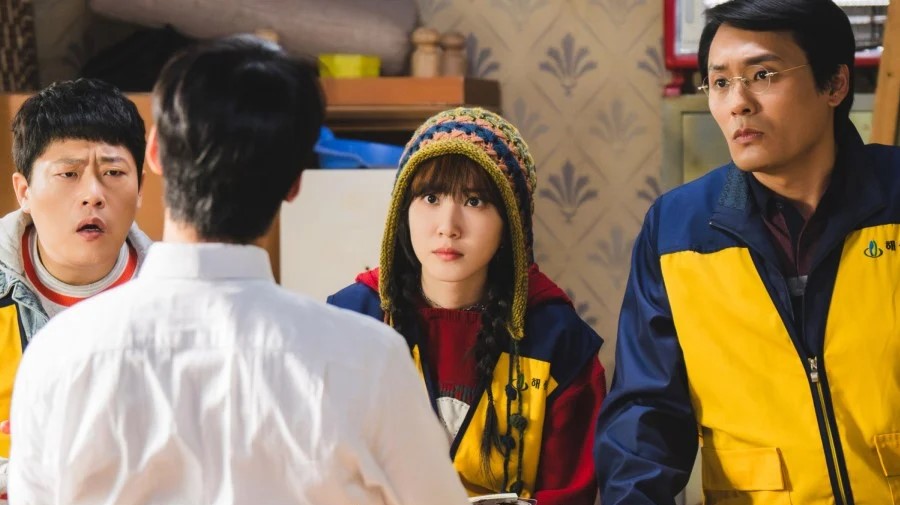
At its center, the story follows Cha Seo-jin, a cold, ambitious prosecutor known for her ruthless tactics in Seoul. While tracking the financial lifelines of a massive criminal syndicate, she is targeted in a staged traffic accident that leaves her with severe amnesia. The man who accidentally saves her is Kang Tae-oh, a former national boxer whose promising career was destroyed years ago by Seo-jin’s own aggressive investigations.
With assassins still hunting Seo-jin, a detective colleague begs Tae-oh to hide her in his dusty, rundown boxing gym and pretend to be her fiancé until the investigation concludes. What begins as a bitter, resentment-filled arrangement transforms into a hilarious survival mission. As the two fake lovers navigate their forced proximity, they must rebuild trust, uncover the secrets locked in Seo-jin’s lost memories, and survive the syndicate closing in on them.
| Title | Our Sticky Love (이런 엿 같은 사랑) |
|---|---|
| Genre | Romantic Comedy, Crime Action, Mystery |
| Episodes | 12 (Netflix Exclusive) |
| Director | Choi Ji-young |
| Writer | Lee Min-soo |
Cast and Characters: A Perfect Match
The success of the series hinges on the undeniable chemistry and physical performances of the two lead actors, who balance deep vulnerability with demanding action sequences.
- Jung Hae-in as Kang Tae-oh: Jung Hae-in perfectly merges his signature “soft romantic lead” charm with the tough, gritty physicality he has shown in military and action roles. As a wrongly disgraced athlete forced to protect his former enemy, his character is quiet, awkward, and deeply protective, showing affection through actions rather than grand words.
- Ha Young as Cha Seo-jin: Delivering a standout dual performance, Ha Young transitions seamlessly from the terrifying “Ice Witch” of the Seoul Prosecutors’ Office to a quirky, disoriented amnesiac. One of the cleverest comedic devices in the show is her “muscle memory”—while she cannot remember her name, her body instinctively reacts to danger, turning an apparently helpless amnesiac into a highly capable fighter when ambushed.
The Genre Mash-Up: Romance Meets Crime
A conventional romantic comedy concentrates solely on the couple, while a crime thriller focuses on the investigation. Directed by Choi Ji-young and written by Lee Min-soo, this drama boldly refuses to stay in one lane. The creative team has built a world where a sweet, heart-fluttering confession can be instantly followed by a brutal alleyway fight.
This rapid shift—often called “tonal whiplash”—is the core engine of the show. It is best understood as a comfort K-drama with a dark engine underneath it. The rural setting creates an emotional refuge for the characters to heal, but the criminal plot prevents the romance from ever becoming too comfortable or boring.
The Korean Cultural Context Explained
Understanding a few specific Korean storytelling tropes and linguistic nuances makes the viewing experience significantly richer.
The Secret Meaning in the Title
The Korean title, “이런 엿 같은 사랑” (Ireon Yeot Gateun Sarang), is a brilliant, untranslatable pun. The word “Yeot” (엿) refers to a traditional Korean sticky pumpkin taffy, which gives the English title “Sticky Love.” However, in modern Korean slang, “Yeot” is a strong curse word meaning something is terrible, ruined, or messed up (roughly equivalent to the English F-word). Thus, the title simultaneously means “A Sticky, Sweet Love” and “This Completely Messed-Up Love,” perfectly capturing the chaotic dynamic between the leads.
The Symbolism of the Prosecutor
International viewers often notice that prosecutors appear everywhere in K-dramas. In South Korea, the prosecution holds immense institutional power, possessing both investigative authority and the sole right to indict. Media often portrays them as either corrupt elites or absolute dark heroes. By stripping Cha Seo-jin of her memories, the drama takes a woman at the absolute peak of institutional power and drops her into a position of total vulnerability, creating a highly satisfying character arc.
Seoul Versus the Countryside
The contrast between Seoul and a rural setting is a beloved K-drama fantasy. Seoul represents endless competition, professional ambition, and stress. The countryside represents slow living, community, and healing. Taking a high-powered urban professional and forcing them to adapt to a slower, quirkier rural life adds a comforting layer of social comedy to the tense thriller plot.
Global Viewer FAQ & Controversies
Discussions across global communities often highlight a few recurring questions regarding the show’s format and tropes.
Why is there so much blood in a Romantic Comedy?
While Western television often separates romance and thriller genres strictly, the “genre mash-up” is a staple of modern Korean television. The sudden violence is designed to raise the emotional stakes of the romance, making the quiet, safe moments feel earned rather than boring.
Are real Korean prosecutors fighting gangsters in the streets?
Absolutely not. While Korean prosecutors do hold significant investigative power, they are not out throwing punches in back alleys. The drama uses her combat skills purely for entertainment value and comedic effect, emphasizing her unyielding personality even without her memories.
Isn’t the “Fake Dating” trope too predictable?
Fake dating is a classic trope, but this series reinvents it by raising the stakes. It is not a contract marriage for inheritance or a bet; it is a desperate lie told to keep someone alive. This turns a standard rom-com cliché into a story of profound camaraderie and mutual protection.
Is this series based on a Webtoon?
No, the show is an original television screenplay written directly for the screen, which allows its pacing to perfectly fit the 12-episode format without feeling rushed or unnecessarily stretched.
How to Best Enjoy the Show
To get the absolute most out of this drama, leave standard genre expectations at the door and enjoy the ride for what it is.
💡 Pro Tip: Do not spend the first few episodes trying to solve every mystery. The show front-loads its charm, focusing heavily on the awkward village dynamic and the fake-couple setup in the beginning, while the crime-thriller stakes ramp up steadily in the second half.
📌 Local Note: If you are watching with Korean audio, pay attention to the honorifics. The changing emotional distance between Tae-oh and Seo-jin is often communicated through how formally they speak to each other—a subtle nuance that English subtitles cannot always fully capture.
More K-Dramas to Watch
If this series leaves you wanting more, explore our other deep-dive reviews to find your next favorite Korean drama or movie:
- The East Palace Netflix Review: Korea’s Dark Fantasy Explained
- Review: ‘Why Agent Kim Reactivated’ is Netflix’s Best Action Hit
- A Shop for Killers Season 2: Babylon Goes Global
- ‘Teach You a Lesson’ Netflix Review: The Debate Over Student Rights
- The WONDERfools Netflix Review: Korea’s Most Unusual Heroes
- Why My Royal Nemesis is Netflix’s Best Time-Slip K-Drama
- We Are All Trying Here Netflix Review: Deep Cultural Meaning
- Perfect Crown K-Drama Review: IU & Byeon Woo-seok Shine
- Welcome to Dongmakgol: A Korean War Film Like No Other
- 10 Million Viewer Club Korean Movies: Box Office Legends
Korean Culture portal KCulture.com

The KCulture Editorial Team is dedicated to providing deep insights and accurate information about the vibrant world of Korean culture.