
The 5 Best Beaches in South Korea for Foreigners: 2026 Summer Guide
Living in Korea, I can tell you that if you are wondering where to find the best beaches in South Korea for foreigners in 2026, the top destinations are Haeundae and Gwangalli in Busan, Gyeongpo in Gangneung, Surfyy Beach in Yangyang, and Hamdeok in Jeju Island. Unlike typical coastal resorts in other countries, Korean beaches offer a unique blend of high-tech convenience, flawless public safety, and strict local etiquette that might surprise first-time visitors. Navigating public transport, figuring out cashless payments, and successfully booking train tickets during the extreme peak season can make or break your trip. This comprehensive guide will walk you through everything you need to know to enjoy Korea’s stunning coastlines comfortably, safely, and like a true local.
- Why Korean Beach Culture is Unique
- Haeundae Beach: Busan’s Ultimate Mega Beach
- Gwangalli Beach: Nightlife and Drone Shows
- Gyeongpo Beach: KTX Access and Summer Festivals
- Surfyy Beach: The Surfing Paradise of Yangyang
- Hamdeok Beach: Jeju Island’s Emerald Gem
- Essential Summer Survival Guide: Booking & Rules
- Costs and Budget Advice
- FAQ
- More to Explore in Korea
Why Korean Beach Culture is Unique
Before diving into the list of the best beaches in South Korea for foreigners, it is helpful to understand how local beach culture works. Korean beaches are highly organized. You will rarely need cash, as almost everything from renting a tube to buying an iced coffee is done via credit card or mobile payment. Furthermore, South Korea boasts some of the safest beaches in the world. It is incredibly common to see people leave their smartphones and wallets on their beach mats while they go for a swim without worrying about theft.
If you’ve visited beaches in Australia, California, Thailand, or Southern Europe, you’ll notice some unique Korean characteristics:
- Swimming areas are clearly marked and actively monitored by lifeguards.
- Many beaches officially operate only during designated hours.
- Night swimming is strictly restricted for safety reasons.
- Umbrellas, tubes, and beach mats are commonly rented on-site rather than brought from home.
- Beaches are remarkably clean due to strict waste management and local etiquette.
- Cooking on the sand and unauthorized fireworks are prohibited by law and carry heavy fines.
| Beach Name | Vibe & Best For | Top 2026 Highlight |
|---|---|---|
| Haeundae | City buzz, international crowds | Foreigner first-aid center |
| Gwangalli | Nightlife, bridge views | Weekly M Drone Light Show |
| Gyeongpo | Pine forests, rapid transit | Mega Summer Beach Festival |
| Surfyy Beach | Parties, surfing only | English-friendly surf packages |
| Hamdeok | Emerald waters, relaxation | 75-day season & Pet Beach |
Haeundae Beach: Busan’s Ultimate Mega Beach
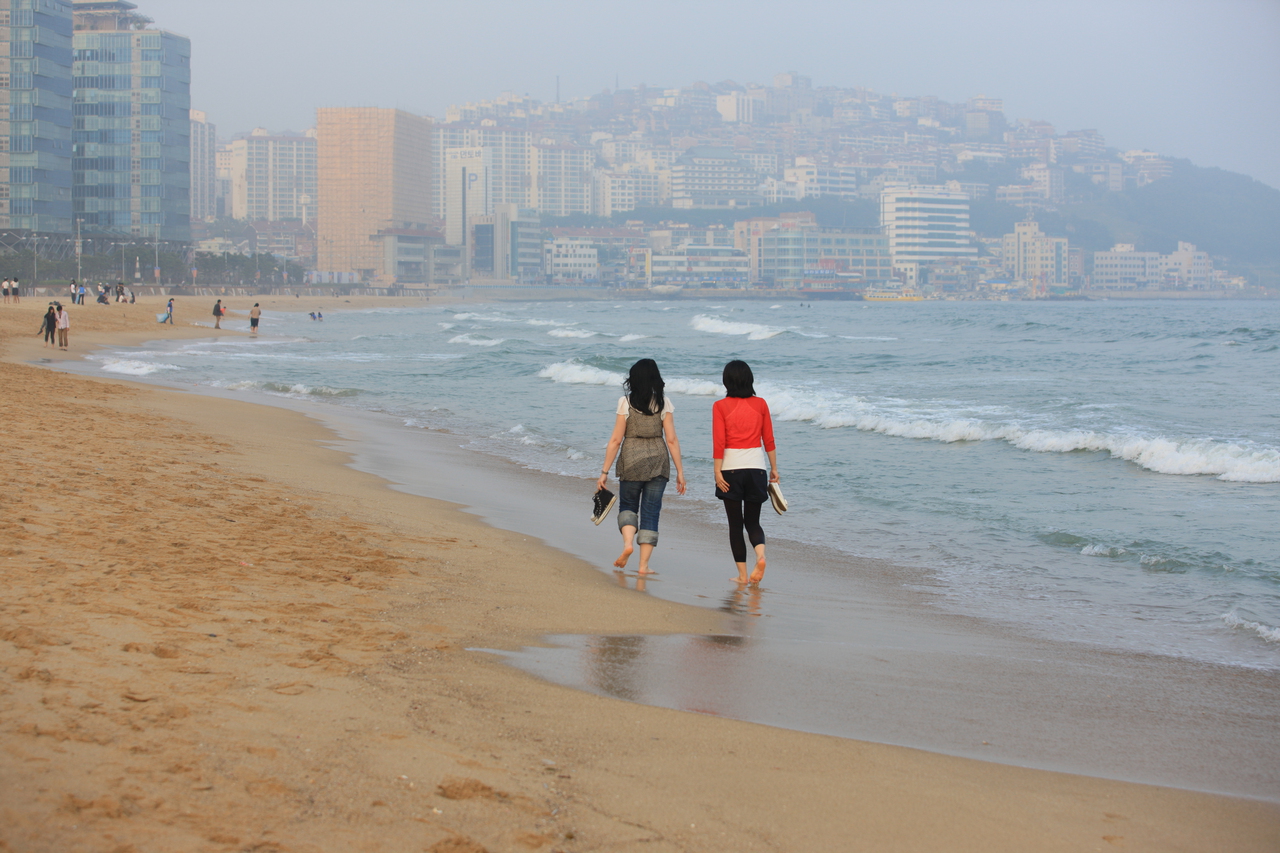
Haeundae Beach (해운대해수욕장) is undeniably the most iconic mega beach in the country and where most international visitors start their Korean beach journey. Framed by a glittering skyline of skyscrapers, luxury five-star hotels, and an endless array of multinational restaurants, it is the most English-friendly coastal destination in Korea.
In 2026, Haeundae officially operates from June 26 to September 15. A major update for this year is the introduction of a dedicated “water play emergency treatment center” located right on the sand, where foreign visitors can receive prompt, free medical care for minor injuries or jellyfish stings.
- How to Get There: Accessibility is seamless. Take the KTX to Busan Station, hop on Subway Line 1 to Seomyeon Station, transfer to Line 2, and get off at Haeundae Station. The ocean is just a 5-minute walk away. Alternatively, Express Bus 1001 from Busan Station takes about 50 minutes.
- Rules & Tips: Haeundae operates a “Smart Beach” system, meaning you can rent parasols and swimming tubes with just a credit card. Remember that smoking, cooking, and nighttime fireworks are heavily regulated and actively enforced.
While in Busan, many travelers also combine their beach trip with a visit to Haedong Yonggungsa Temple: Busan’s Coastal Jewel Guide, one of Korea’s most spectacular seaside temples.
Gwangalli Beach: Nightlife and Drone Shows
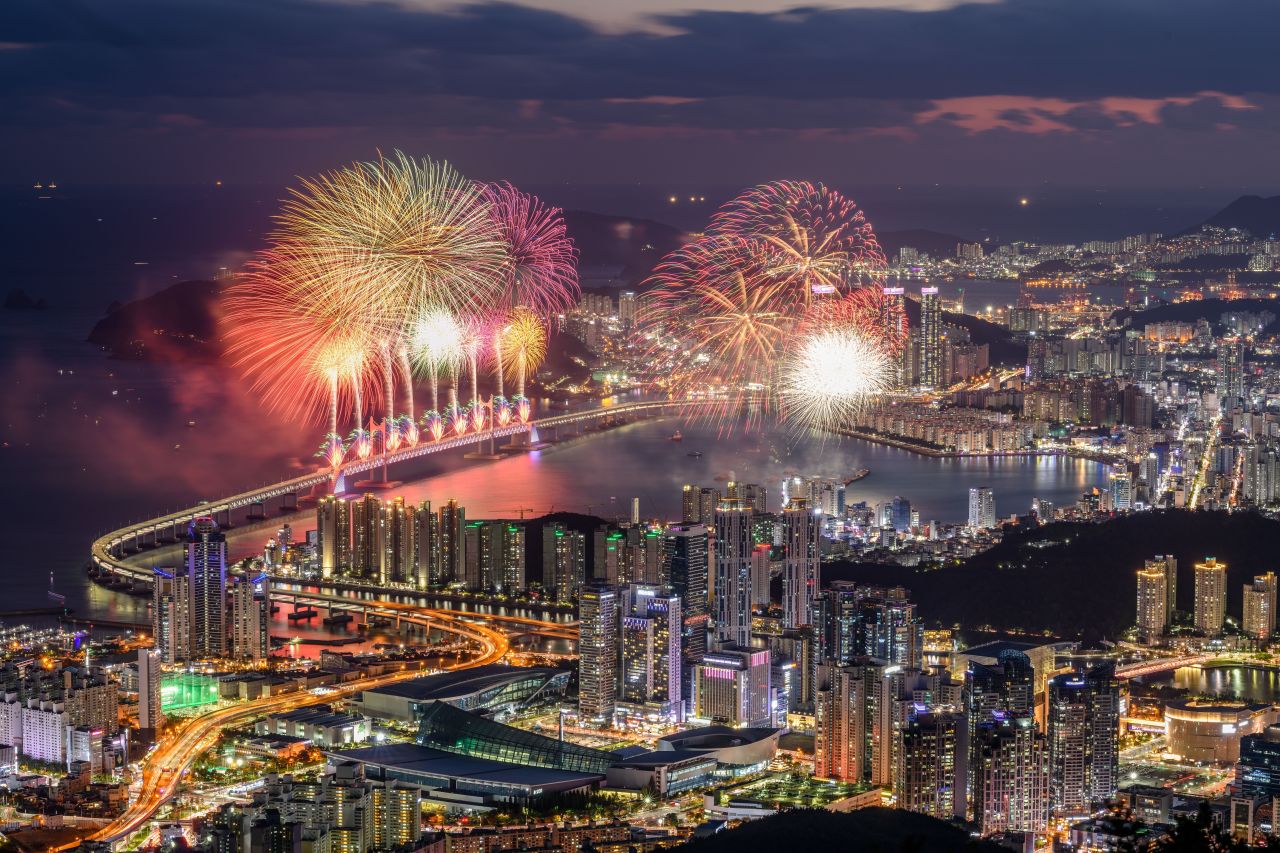
If Haeundae is the classic daytime destination, Gwangalli Beach (광안리해수욕장) is the undisputed king of the night. Famous for the massive Gwangandaegyo Bridge (광안대교) that stretches across the water, the beach is lined with trendy craft beer pubs, ocean-view cafes, and a vibrant youthful energy.
Opening officially on July 1, 2026, the absolute highlight of Gwangalli is the free M Drone Light Show. Every Saturday night, hundreds of drones take to the sky, creating breathtaking luminous art above the bridge. During the day, the beach transforms into a hub for stand-up paddleboarding (SUP), with many shops offering beginner lessons in English.
💡 Pro Tip: For the Saturday drone shows, the terrace seats at nearby restaurants and bars sell out completely. If you want a prime viewing spot, reserve a window seat weeks in advance using English booking platforms or by sending a direct message to the venue on Instagram.
- How to Get There: Take Busan Subway Line 2 to either Gwangan Station or Geumnyeonsan Station. Both stops are a simple 5 to 10-minute walk down to the water.
Gyeongpo Beach: KTX Access and Summer Festivals
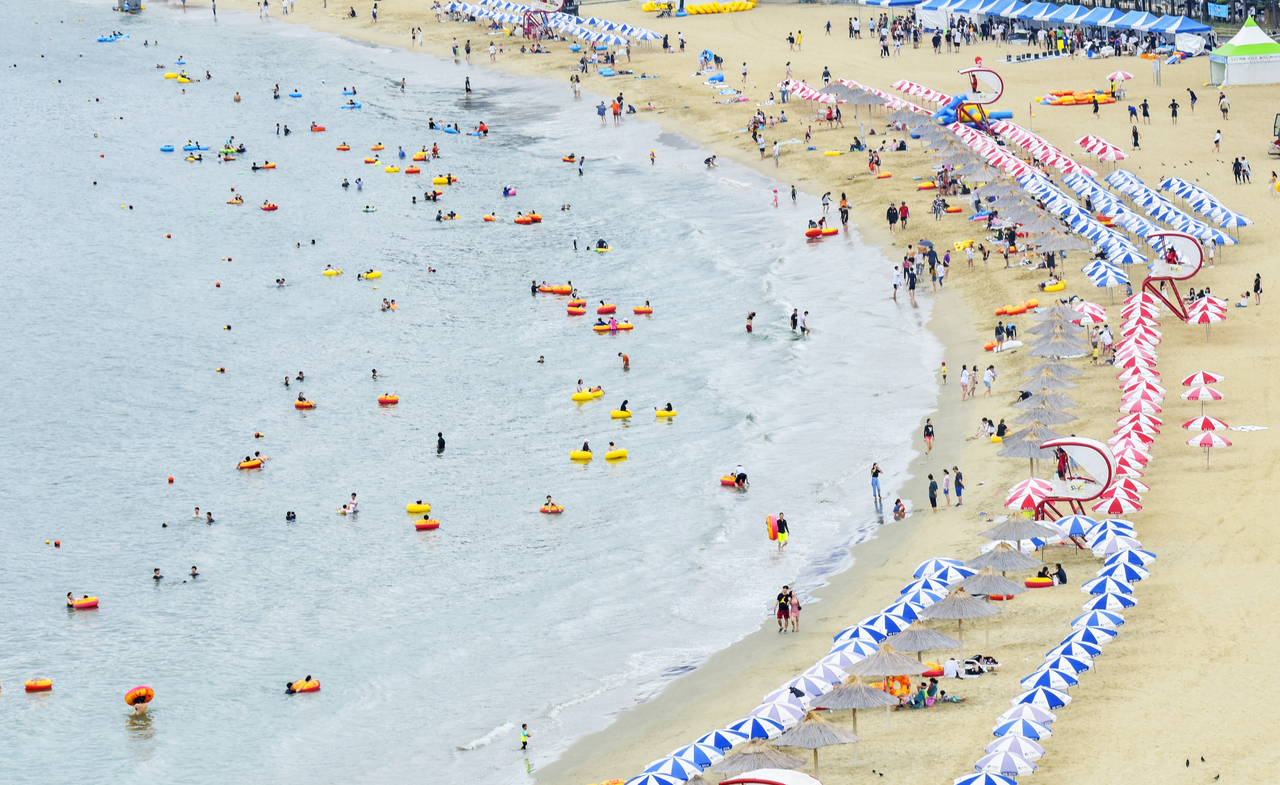
For those looking for a quick escape from Seoul, Gyeongpo Beach (경포해수욕장) on the East Coast is a brilliant choice. It features endless stretches of pristine white sand backed by a refreshing, cooling pine forest. Because it is directly connected by high-speed rail, it offers the fastest route to clean, deep-blue ocean water from the capital.
For the 2026 season, Gyeongpo is going all out. From July 3 to August 22, the beach will host the massive 2026 Gyeongpo Summer Beach Festival, combining live busking, a beach beer festival, and daily food events into one nonstop celebration. They are also installing a large floating bridge connected to the famous offshore diving rocks, adding a fun twist to swimming.
- How to Get There: Board the KTX-Eum train from Seoul Station or Cheongnyangni Station directly to Gangneung Station. The journey takes about two hours. From Gangneung Station, it is a brief 15-minute taxi or local bus ride to the beach.
- Rules & Tips: The East Sea has sudden, steep drop-offs underwater. You must stay strictly within the designated swimming zones. If you plan to use the floating bridge or diving rocks, wearing a life jacket is mandatory.
Surfyy Beach: The Surfing Paradise of Yangyang
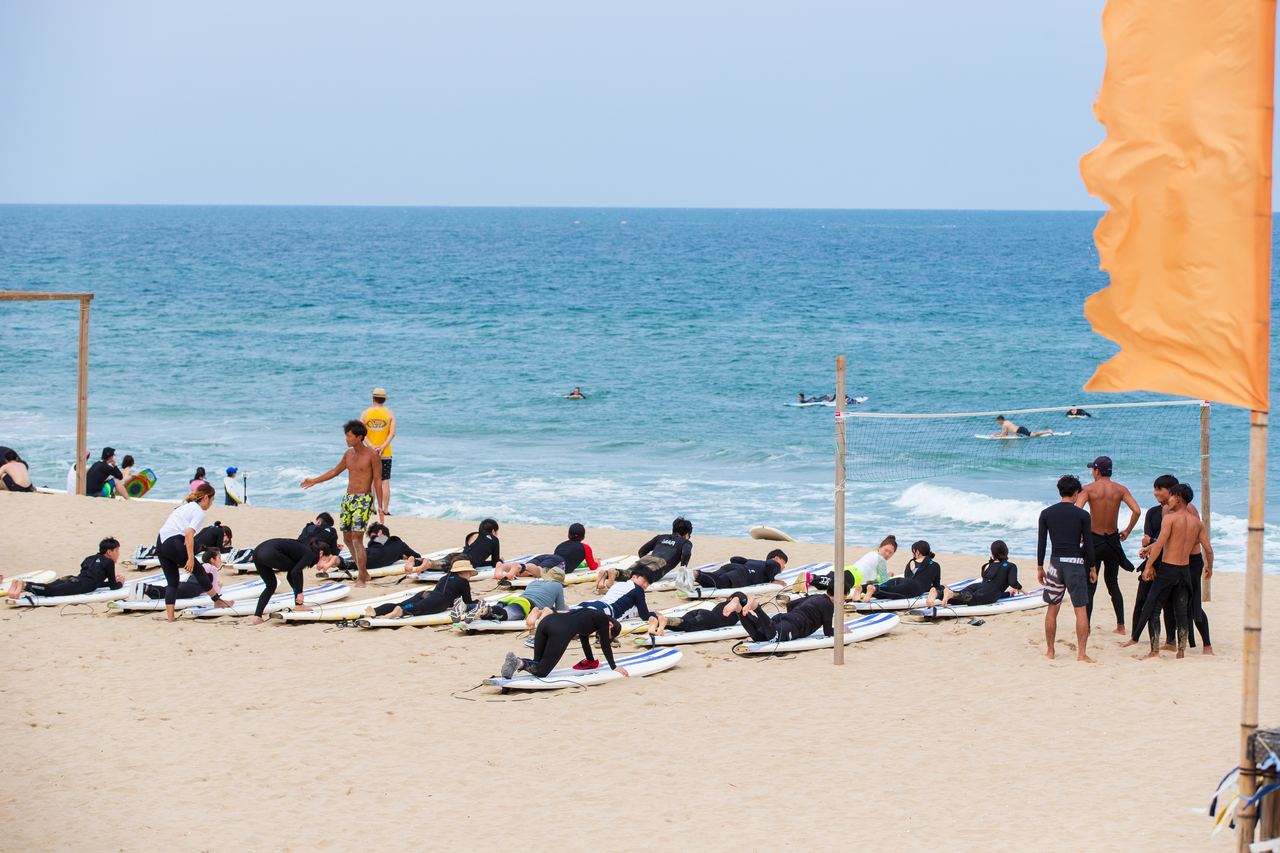
Dubbed the “Ibiza of Korea,” Surfyy Beach (서피비치) in Yangyang is a 400-meter private stretch of sand that was once a restricted military zone. Today, it is a tropical-themed paradise filled with straw parasols, beanbags, and sunset beach bars. It attracts an energetic crowd of young locals and foreign residents who love surfing and beach parties.
In 2026, Yangyang has heavily invested in its surfing infrastructure, making it easier than ever for foreigners to book English-led surfing lessons and wetsuit rental packages. When the sun goes down, the area transitions into an adults-only beach party.
- How to Get There: Take an intercity bus from Seoul Express Bus Terminal to Yangyang Bus Terminal (about 2.5 hours), then take a short taxi ride. During peak summer, look for the private “Surf Shuttle” buses that depart directly from major Seoul hubs like Hongdae and Myeongdong straight to the beach.
- Rules & Tips: Surfyy Beach is exclusively for surfing. Swimming without a board is completely prohibited for safety reasons. If you just want to swim, simply walk over to the adjacent Hajodae Beach (하조대해수욕장). Buying a “Surfyy Pass” grants you all-day access to their premium hammocks and shower studios.
Hamdeok Beach: Jeju Island’s Emerald Gem
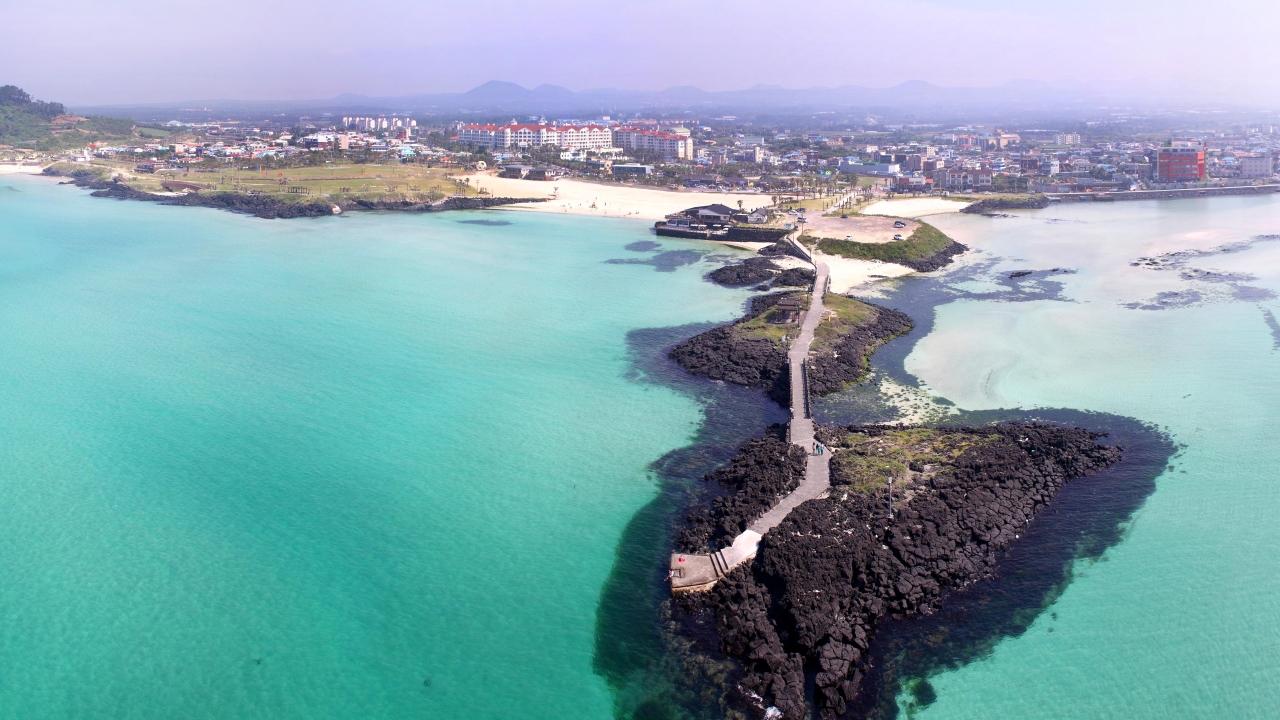
No list of the best beaches in South Korea for foreigners is complete without Jeju Island. Hamdeok Beach (함덕해수욕장) is widely considered the “Maldives of Korea,” featuring striking emerald waters, bright white sand, and dramatic black volcanic rocks. The water here is shallow and calm, making it a perfectly relaxing spot.
Jeju’s beaches open early on June 24, 2026, and will run for a record-breaking 75 days. Hamdeok is introducing a designated “Pet Beach” zone this year to accommodate the growing number of travelers with dogs. The beach is anchored by Delmoondo, a massive ocean-view cafe that serves as a central hub for visitors.
📌 Local Note: Jeju is fiercely protective of its pristine environment. Disposing of trash illegally on the sand is heavily penalized. Always use the designated integrated recycling bins for your takeaway cups and snack wrappers.
- How to Get There: While renting a car is usually recommended in Jeju, Hamdeok is extremely public-transit friendly. From Jeju International Airport, take Express Bus 101. It takes about 45 minutes and drops you off right near the beach without needing to transfer.
Many visitors spend the morning swimming at Hamdeok before exploring the island’s incredible culinary scene. Our guide to the Best Food in Jeju: Traditional Dishes and Hidden Gems is a great place to start your food journey.
Essential Summer Survival Guide: Booking & Rules
To ensure a stress-free coastal vacation, there are a few practical realities of traveling in Korea during the peak summer season that every foreigner must know.
1. The Critical Accommodation & KTX Warning
This is the most important advice for your trip: the period from late July to early August is Korea’s “Golden Week” for summer holidays. During this time, it is shockingly difficult to secure a KTX train ticket or a hotel room, even on weekdays. KTX tickets usually open for sale exactly one month in advance, and trains from Seoul to Busan or Gangneung sell out within minutes. You must plan and book your accommodations at least one to two months before your arrival, otherwise, you risk paying astronomical prices or finding zero availability.
2. Download Local Navigation Apps
Google Maps does not provide walking directions in South Korea due to national security data laws. Before your flight, you must download Naver Map (네이버 지도) or KakaoMap, both of which offer excellent English interfaces. For communication and reading menus, Papago (파파고) is significantly more accurate than other translation apps for the Korean language.
3. Prepare for a Cashless Experience
Korean beach shops, cafes, and rental stalls overwhelmingly prefer cards over cash. Make sure your physical Visa or Mastercard is ready to use without foreign transaction issues. However, for riding local buses and subways, purchase a T-money card from any convenience store. You will need Korean cash (KRW) to initially load the T-money card, but after that, you simply tap and go.
4. Respect the Culture and Operating Hours
Safety is a major perk in Korea. It is totally normal to leave your bag on your towel while you swim. However, safety rules are not flexible. Beach operating hours are generally from 9:00 AM to 6:00 PM. Once the lifeguards blow their whistles at closing time, you must exit the water immediately. Night swimming is illegal and dangerous due to limited visibility and shifting tides.
Costs and Budget Advice
Knowing what to expect financially will help you plan better. Local governments in Korea have recently cracked down on “rip-off” pricing (known as bagaji) during the summer season, enforcing standardized rates for rentals at major beaches. However, accommodation prices still vary wildly depending on the location and timing.
Here is a realistic breakdown of summer beach costs in South Korea for 2026:
| Item | Typical Summer Cost (KRW) | Notes |
|---|---|---|
| Beach umbrella rental | ₩10,000 – ₩20,000 | Standardized by local governments at major beaches. |
| Beach tube rental | ₩5,000 – ₩15,000 | Often requires a small refundable deposit. |
| Budget accommodation (nightly) | ₩70,000 – ₩150,000 | Expect prices to double during the late-July/early-August peak. |
| Mid-range hotel (nightly) | ₩150,000 – ₩350,000 | Highly dependent on proximity to the beach (e.g., Haeundae will be much more expensive than Gyeongpo). |
| Luxury/Beachfront hotel (nightly) | ₩350,000 – ₩800,000+ | Premium ocean views in Busan or Jeju command the highest rates. |
| Local seafood meal | ₩20,000 – ₩50,000+ per person | Prices are higher near tourist hotspots. Always check the menu prices before ordering. |
💡 Budget Tip: To avoid exorbitant accommodation costs, consider staying a few subway stops or a short bus ride away from the main beachfront areas. The excellent public transport system makes this a highly practical and money-saving option.
FAQ
Which Korean beach is best for first-time visitors?
Haeundae Beach in Busan offers the most complete tourist infrastructure, English accessibility, and easy subway connections, making it the most straightforward choice for beginners.
Which beach has the clearest water?
Hamdeok Beach in Jeju is widely considered to have some of Korea’s most beautiful and exceptionally clear turquoise water.
Which beach is best for surfing?
Surfyy Beach in Yangyang is the country’s undisputed surfing capital, offering a dedicated zone just for surfers and an excellent international vibe.
When should I book hotels and transportation?
For late July and early August travel, booking at least one to two months in advance is strongly recommended, as KTX trains and popular beachfront hotels sell out almost instantly.
More to Explore in Korea
If you are planning to extend your trip beyond the coastline, Korea offers an incredible variety of historical, cultural, and family-friendly experiences. Check out our detailed guides below to complete your itinerary:
- Buyeo Travel: Inside the Ancient Baekje Kingdom
- Why Daeheungsa Is One of Korea’s Most Important Temples
- Best Food in Jeju: Traditional Dishes and Hidden Gems
- Haedong Yonggungsa Temple: Busan’s Coastal Jewel Guide
- Visiting Everland with Kids: Best Rides & Survival Tips
- Andong Hahoe Folk Village: The True Soul of Joseon
- 10 Best Summer Festivals in South Korea to Experience in 2026
Korean Culture portal KCulture.com
Founder of Kculture.com and MA in Political Science. He shares deep academic and local insights to provide an authentic perspective on Korean history and society.