Introduction: A True Taste of Korean BBQ Culture
Step into any bustling Korean BBQ house, and you’ll be greeted by the irresistible sizzle and aroma of grilling meats. While many are familiar with classics like Galbi and Samgyeopsal, there’s a beloved delicacy that offers a uniquely rich and satisfying experience: Daechang-gui. This dish, made from grilled beef large intestine, is a cornerstone of Korean social dining and drinking culture. Often enjoyed among friends gathered around a grill, it’s the perfect companion to a bottle of soju, with its bold flavors cutting through the alcohol’s sharpness. Daechang-gui is more than just food; it’s an experience, a communal ritual of cooking, sharing, and celebrating the night away. The flavor profile is intensely savory and rich, balanced by a marinade of salt, pungent garlic, and a hint of spicy Korean chili powder.
Ingredients & Flavor Profile
Key Ingredients
The star of this dish is singular and bold, promising a flavor journey unlike any other:
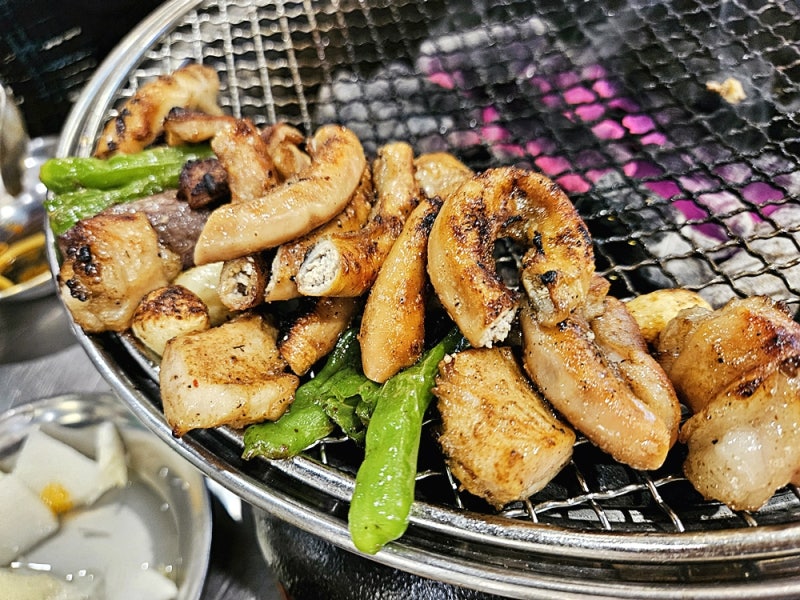
- Beef Large Intestine (So Daechang): Known for its high-fat content, the intestine transforms on the grill, developing a wonderfully crispy, golden-brown exterior while maintaining a soft, melt-in-your-mouth interior.
The Secret of Taste
The magic of Daechang-gui lies in the harmony between its natural richness and a simple, yet powerful, seasoning blend. The intestines are typically marinated in a mixture of salt, minced garlic, and gochugaru (Korean red chili powder). This seasoning doesn’t overpower the meat; instead, it enhances its inherent savory qualities. The salt draws out moisture for a crispier skin, the garlic adds a fragrant, pungent depth, and the chili powder provides a gentle, warming kick. When grilled, the fat renders out, infusing the intestine with incredible flavor and creating a texture that is both chewy and incredibly tender.
Dietary Information (Vegetarian/Allergy)
Due to its core ingredient, Daechang-gui is Not Vegetarian. This dish is made from beef offal and is not suitable for individuals following a vegetarian or vegan diet.
Safety Tip: As this is an animal product, vegetarians and vegans should avoid it. If you have specific dietary concerns, it’s always wise to confirm all ingredients with the restaurant staff, as preparation methods can vary.
How It’s Cooked and Served
Daechang-gui is a quintessential Korean BBQ experience, meaning it’s cooked right at your table. The process begins long before it arrives, with the intestines being meticulously cleaned and trimmed of excess fat before being marinated. Once brought to your table, the thick, tube-like pieces are placed on a sizzling hot charcoal grill or metal griddle. The high heat is crucial; it quickly crisps up the outer layer, creating a satisfying snap when you bite into it. As the intestines cook, they plump up and turn a beautiful golden-brown. They are then cut into bite-sized rings with scissors. To eat, you simply take a piece of the grilled Daechang and dip it into a specially prepared soy sauce-based dipping sauce, which often contains onions or chives to help cut through the richness and cleanse the palate. This interactive and engaging cooking process is part of what makes the dish so memorable.
This is a standard method based on general recipes. Every restaurant has its own secret twist and unique style!
Nutritional & Health Benefits
While known for being an indulgent dish, Daechang-gui offers some surprising nutritional qualities when enjoyed in moderation. Here are a couple of potential benefits:
- Rich in Collagen: As a part of the connective tissue, beef intestine is a natural source of collagen, which is known to support skin elasticity and joint health.
- Source of Iron and B Vitamins: Organ meats are often dense in essential nutrients. Beef intestine contains iron, which is vital for oxygen transport in the blood, as well as B vitamins like B12, which support nerve function and energy production.

The KCulture Editorial Team is dedicated to providing deep insights and accurate information about the vibrant world of Korean culture.