If you are wondering where to find the true essence of Korea’s ancient elegance beyond the busy streets of Seoul, Buyeo (부여) holds the ultimate answer: the Gilt-Bronze Incense Burner of Baekje. Discovered flawlessly intact in a mud pit after 1,300 years, this National Treasure is the crowning masterpiece of the Baekje Kingdom, beautifully merging Buddhist and Taoist philosophies into a single breathtaking artifact. For travelers seeking a profound historical journey without the overwhelming crowds, Buyeo offers a peaceful landscape of ancient royal tombs, lotus-filled ponds, and world-class museum exhibitions.
As someone living in Korea who loves exploring hidden historical gems, I know how intimidating it can be to travel outside the major metropolitan cities. However, Buyeo’s recent museum upgrades, including a highly immersive exhibition dedicated solely to the incense burner, make it incredibly accessible and visually stunning for international visitors. The city is a living museum where ancient heritage breathes alongside modern interactive displays.
This guide explores the dramatic excavation of the incense burner, its cutting-edge new exhibition gallery, what it reveals about Baekje civilization, practical transportation tips from Seoul or Daejeon, and the best historic sites you must visit in and around Buyeo.
- The Extraordinary Story of the Incense Burner
- The New Immersive Exhibition Experience
- What the Artifact Reveals About Baekje Culture
- Best Historic Sites to Explore in Buyeo
- Nearby Attractions: Gongju and Nonsan
- How to Travel to Buyeo from Seoul and Daejeon
- Essential Local Travel Tips
- Explore More of South Korea
The Extraordinary Story of the Incense Burner
The Gilt-Bronze Incense Burner of Baekje is designated as a National Treasure and is widely considered one of the greatest metalworks ever created in East Asia. Yet, its discovery is one of the most dramatic archaeological miracles in modern Korean history.
From Mud to Masterpiece
In December 1993, construction workers were building a visitor parking lot near the Neungsan-ri Temple site, adjacent to the ancient royal tombs. Digging into a wet, muddy pit, archaeologists suddenly uncovered an unbelievable treasure. The incense burner had been submerged in waterlogged mud for over 1,300 years. Because the thick mud created a natural vacuum that completely blocked oxygen, the delicate gold plating and intricate bronze carvings survived without rusting or corroding.
A Miniature Universe
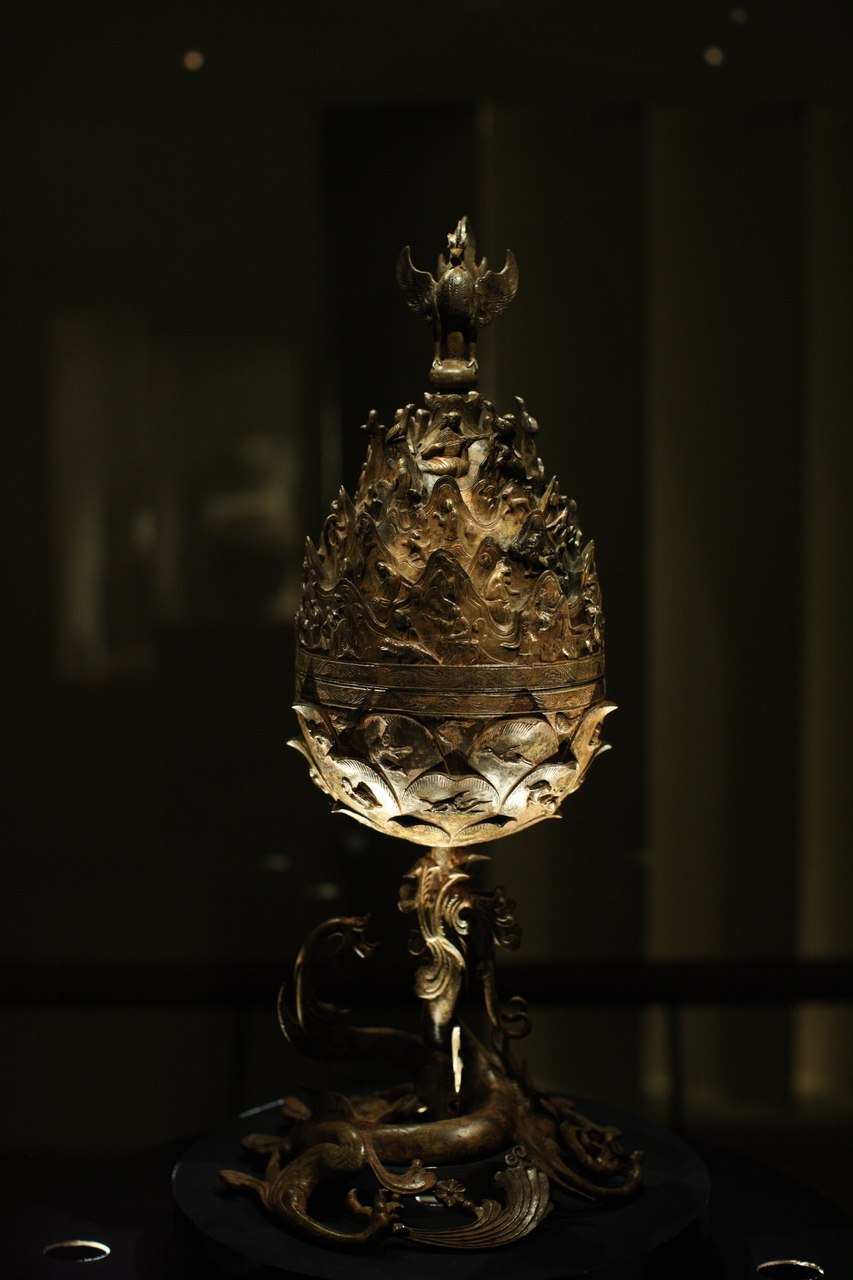
At first glance, the artifact looks almost mythical. A powerful dragon forms the base, supporting a blooming lotus flower. Above the lotus rises a mountain landscape filled with immortal beings, hidden animals, and lush forests forming the lid, while a majestic phoenix crowns the summit. Every angle reveals a new story, making it a masterpiece that archaeologists and art historians continue to study today.
The New Immersive Exhibition Experience
To truly honor this masterpiece, the Buyeo National Museum recently underwent a massive transformation, moving away from traditional, static glass cases to a highly sensory experience.
The Dedicated Baekje Incense Burner Gallery
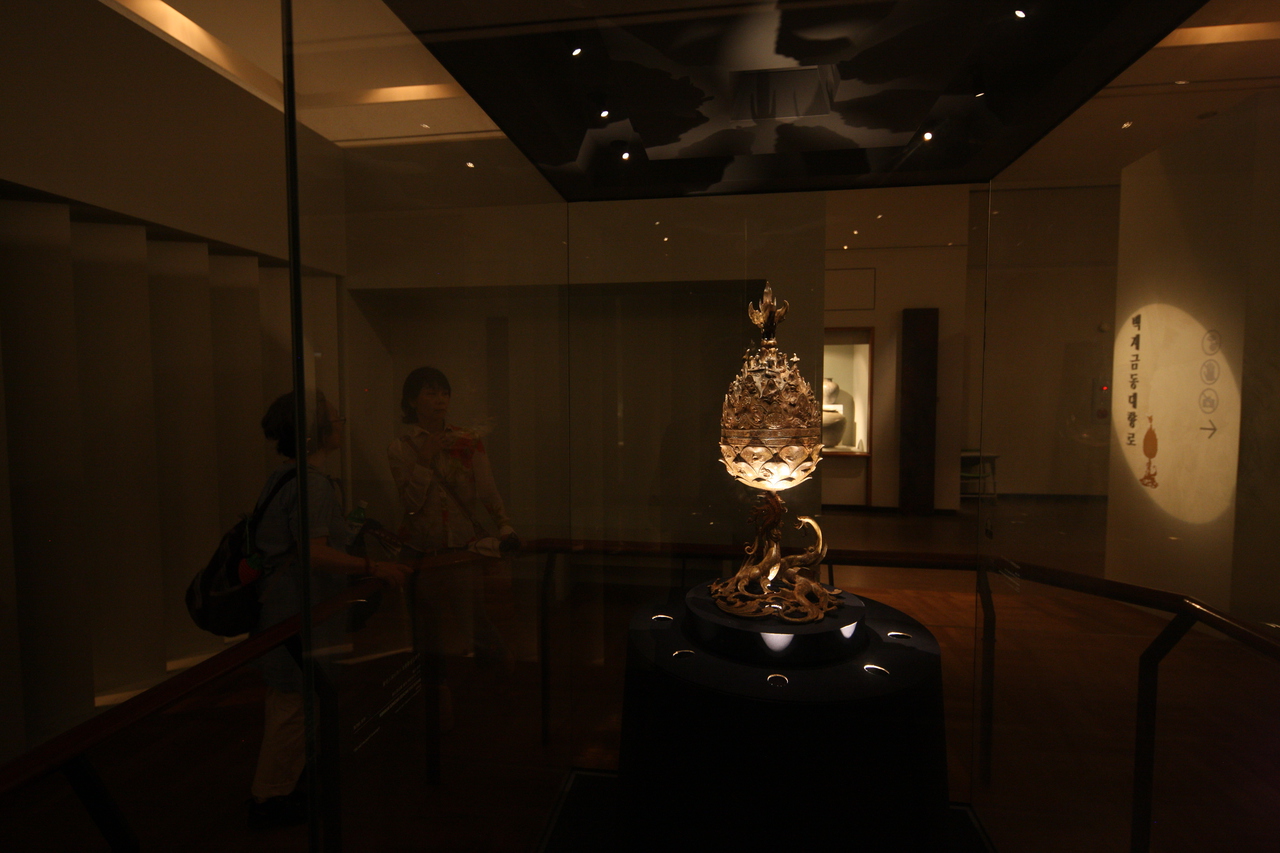
Opened in late 2025, this exclusive gallery on the second floor places the artifact in the center of a pitch-black room. The surrounding darkness draws your full attention to the brilliantly illuminated golden details, creating an almost theatrical, deeply emotional encounter.
The “Incense and Sound” Sensory Journey
You can now experience the innovative “Incense and Sound” installation. By standing near special pillars in the gallery, you can smell ancient aromatic materials actually used during the Baekje era, such as frankincense and sandalwood. Simultaneously, you will hear a modernized musical reproduction inspired by the five ancient musicians carved directly onto the burner.
💡 Pro Tip: The Lobby Media Show
Every hour on the hour, the first-floor lobby transforms into a massive digital canvas. Ultra-high-definition projections cover the walls and ceiling, animating the magical creatures and landscapes of the incense burner. Make sure to arrive in the lobby at least five minutes before the hour so you don’t miss this incredible visual spectacle!
What the Artifact Reveals About Baekje Culture
While the neighboring Silla Kingdom is known for its robust monuments and golden crowns, Baekje culture emphasized subtle elegance, refinement, and balance. The incense burner perfectly encapsulates this worldview.
Baekje thinkers comfortably blended different philosophies without conflict. The lotus base represents Buddhist beliefs, while the mountainous realm of immortals and the phoenix reflect Taoist ideals. This cultural openness and international outlook made Baekje a vital hub that transmitted art, architecture, and religion across East Asia, particularly to Japan.
| Baekje Cultural Trait | How It Appears in the Incense Burner |
|---|---|
| Refined Aesthetics | Highly detailed sculptural composition and elegant proportions |
| Religious Diversity | Seamless combination of Buddhist and Taoist symbolism |
| Technical Excellence | Advanced bronze casting, intricate detailing, and flawless gilding |
| Connection with Nature | Depictions of sacred mountains, hidden animals, and sweeping landscapes |
Best Historic Sites to Explore in Buyeo
Buyeo is a living museum, designated entirely as part of the UNESCO World Heritage Baekje Historic Areas. Here are the places you should not miss.
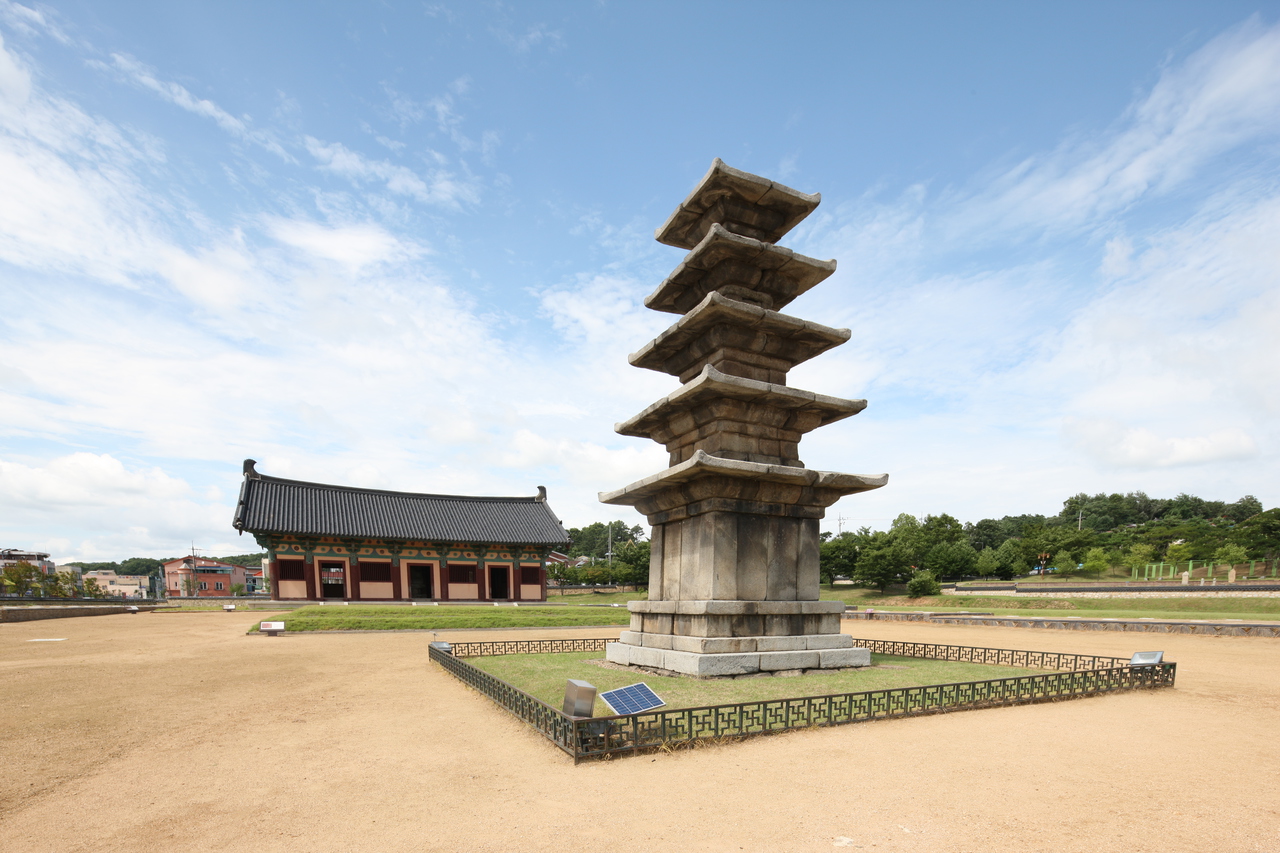
- Jeongnimsa Temple Site (정림사지): Once the spiritual center of the capital, it features the iconic five-story stone pagoda. Its upward-sweeping, gentle lines are the definition of Baekje architectural beauty.
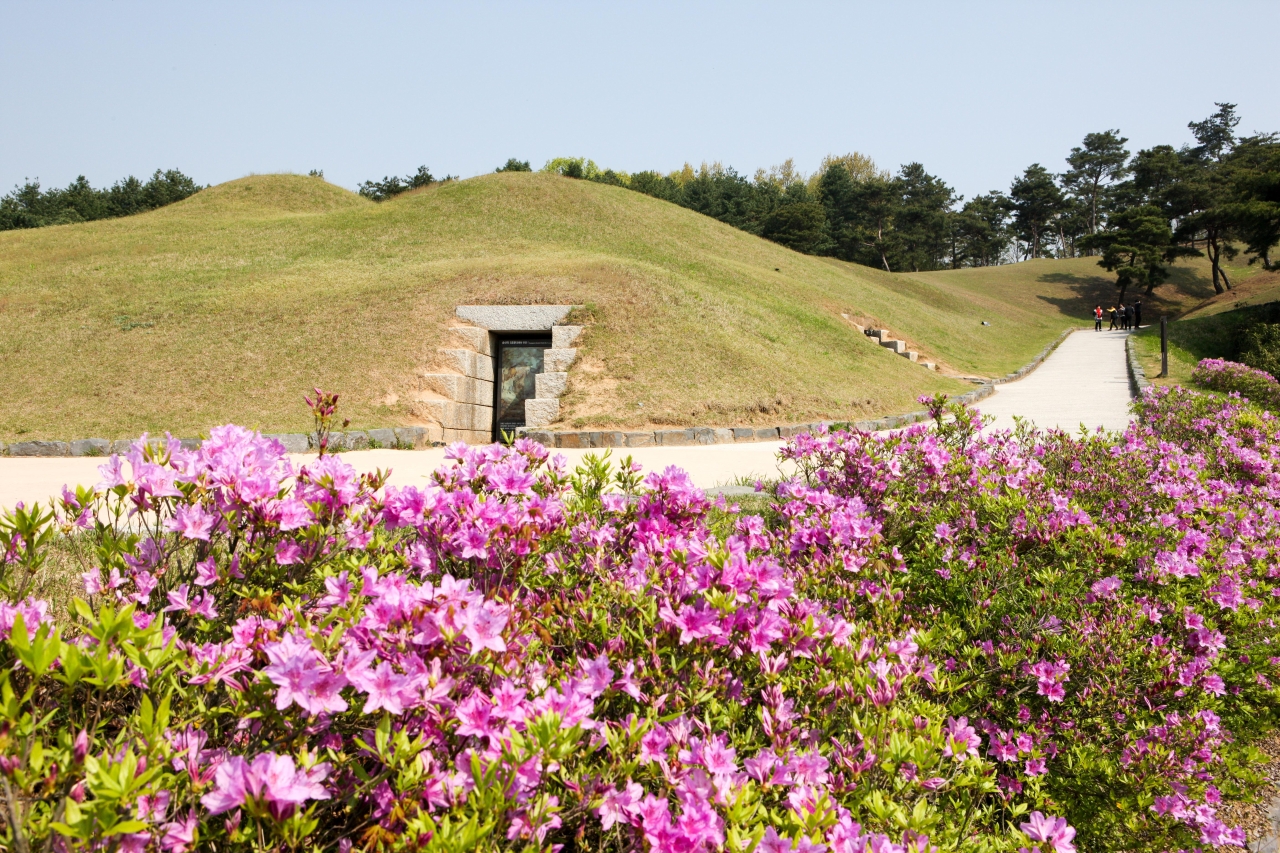
- Buyeo Royal Tombs (부여 왕릉원): The very place where the incense burner was discovered. Walking among these peaceful, grassy mounds adds context to the museum. Be sure to check out the ICT Art Museum inside for a digital recreation of the tomb interiors.
- Gungnamji Pond (궁남지): Korea’s earliest known artificial garden. If you visit in June or July, you will be surrounded by millions of blooming lotus flowers. It is highly recommended for romantic evening walks.
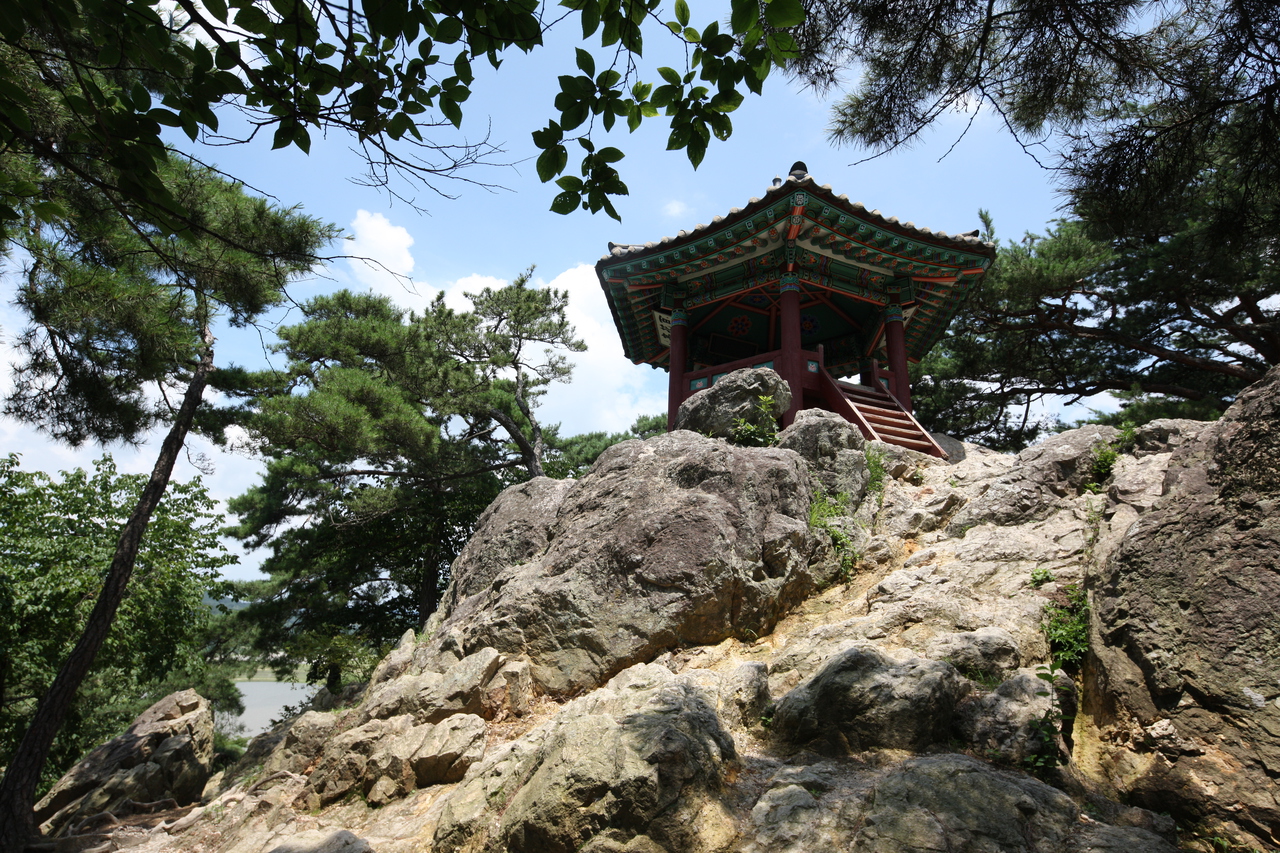
- Busosanseong Fortress (부소산성): The final mountain fortress of the kingdom. A hike through its shaded trails leads to Nakhwaam Cliff (낙화암), where palace women tragically leapt into the river during the kingdom’s fall.
- Baekje Cultural Land (백제문화단지): A massive, meticulously reconstructed historical park featuring royal palaces and temples. It is especially beautiful during its seasonal night openings from April to November.
Nearby Attractions: Gongju and Nonsan
If your itinerary allows, expanding your trip just outside Buyeo provides a deeper look into the region’s heritage.
- Gongju (공주): Another former capital of Baekje located just 40 minutes away. It is famous for Gongsanseong Fortress and the beautifully preserved brick-chamber Tomb of King Muryeong. Combining Buyeo and Gongju creates the ultimate ancient history tour.
- Nonsan (논산): Known for its scenic countryside, traditional academies (Seowon), and seasonal flower festivals, offering a relaxed rural vibe just a short bus ride away.
How to Travel to Buyeo from Seoul and Daejeon
Buyeo does not have its own KTX train station, which actually helps preserve its quiet charm. Here is how you can get there efficiently.
| Departure City | Transport Mode | Route Details & Travel Time | Local Advice |
|---|---|---|---|
| Seoul | Express / Intercity Bus | Central City Terminal or Dong Seoul Terminal to Buyeo Bus Terminal (Approx. 2 to 2.5 hours) | Best Option. It takes you directly into the heart of Buyeo without the hassle of transferring. |
| Seoul | KTX / SRT Train + Bus | Train to Gongju Station or Nonsan Station, then local bus or taxi (Approx. 1.5 to 2 hours total) | Good for train lovers, but you must check the local bus schedules from the station, as they can be infrequent. |
| Daejeon | Intercity Bus | Daejeon Seonambu Terminal or Yuseong Bus Stop to Buyeo Bus Terminal (Approx. 1.5 hours) | Highly affordable and convenient if you are already exploring the central Chungcheong region. |
Essential Local Travel Tips
To ensure your trip is smooth and enjoyable, keep these practical points in mind:
- Museum Access: Admission to the Buyeo National Museum and the new Baekje Incense Burner Exhibition Hall is completely free. Just remember they are closed on Mondays.
- Beat the Summer Heat: From June to August, the sun can be intense. Major sites like Gungnamji and the Royal Tombs have very little shade. Always carry a parasol or umbrella, wear sunscreen, and bring plenty of bottled water.
- Embrace Night Tourism: Do not just do a quick day trip! Buyeo is magical at night. Escape the daytime heat by visiting Gungnamji Pond or the Baekje Cultural Land after sunset when the traditional architecture is beautifully illuminated.
Explore More of South Korea
If you are captivated by Korea’s history and culture, continue your journey with these curated guides:
- Andong Hahoe Folk Village: The True Soul of Joseon
- Why Daeheungsa Is One of Korea’s Most Important Temples
- Haedong Yonggungsa Temple: Busan’s Coastal Jewel Guide
- Best Food in Jeju: Traditional Dishes and Hidden Gems
- 10 Best Summer Festivals in South Korea to Experience in 2026
- Visiting Everland with Kids: Best Rides & Survival Tips

Founder of Kculture.com and MA in Political Science. He shares deep academic and local insights to provide an authentic perspective on Korean history and society.