Why Ganghwa Island Matters in Korean History
A Ganghwa Island day trip, located just a short bus ride from Seoul, is the perfect way to experience Korea’s royal history, epic fortress battles, and unique local cuisine all in one accessible destination. Many travelers arriving at Incheon International Airport look out the window and unknowingly catch a glimpse of this massive island, yet surprisingly few international visitors know how to explore it. If you are looking for a destination close to the capital that perfectly preserves the dramatic twists and turns of the past while avoiding the usual crowds, you are in the right place. I will guide you through exactly how to get there without a car, the island’s most significant historical sites, an unforgettable hike up a sacred mountain, and the authentic local foods you absolutely must try.
- Why Ganghwa Island Matters in Korean History
- How to Get to Ganghwa Island from Seoul
- Exploring Ganghwa Without a Car
- Must-Visit Historical Sites in Ganghwa
- Hiking Manisan: The Sacred Mountain Above the Sea
- Best Places Foreign Visitors Will Enjoy
- What to Eat in Ganghwa Island
- Essential Travel Tips for First-Time Visitors
- Related Korea Travel Guides
Many visitors first notice Ganghwa Island (강화도) while landing at the airport. Looking out the airplane window, they see a large island surrounded by mudflats and waterways. Few realize that this quiet island played a decisive role in shaping Korean history.
Ganghwa’s location at the mouth of the Han River (한강) made it both a shield protecting the capital and a gateway through which foreign powers attempted to enter Korea. Whenever the Korean Peninsula faced major threats, Ganghwa often stood at the center of events.
Rather than simply being a sightseeing destination, Ganghwa feels like a timeline of Korea itself. Walking across the island means moving through centuries of war, diplomacy, resistance, exile, religion, and survival.
📌 Local Note: Many Korean students learn about Ganghwa repeatedly throughout their school years because the island appears in multiple chapters of Korean history, from the Goryeo Dynasty to the modern era.
The Goryeo Dynasty’s Island Capital
In the 13th century, the Goryeo Kingdom faced repeated Mongol invasions. To avoid direct conquest, the royal court relocated to Ganghwa Island and ruled from here for approximately 39 years.
The island’s surrounding tidal flats acted as a natural defensive barrier, making Mongol cavalry attacks difficult. For nearly four decades, Ganghwa became the temporary heart of the kingdom.
A Battlefield of Global Powers
Ganghwa later became the stage for encounters between Korea and foreign powers. French forces attacked during the Byeongin Yangyo of 1866. American naval forces arrived during the Shinmiyangyo of 1871. In 1876, Japan forced Korea to sign the Ganghwa Treaty, marking the beginning of profound political changes.
Few destinations in Korea allow travelers to stand in the exact locations where these pivotal moments unfolded.
How to Get to Ganghwa Island from Seoul
The good news is that visiting Ganghwa without a car has become much easier than many travel guides suggest.
Option 1: Direct Bus from Seoul
The most convenient route is Bus 3000.
- Departs from Sinchon Station (신촌역) (Line 2)
- Stops at Hongik University Station (홍대입구역)
- Stops at Hapjeong Station (합정역)
- Arrives at Ganghwa Bus Terminal (강화여객자동차터미널)
Recent service improvements have reduced waiting times, with buses typically arriving every 15 to 30 minutes.
Travel time varies depending on traffic but usually takes around 90 minutes to 2 hours.
Option 2: From Incheon Airport
Travelers arriving at Incheon International Airport (인천국제공항) can reach Ganghwa by airport limousine and local bus connections. However, many visitors find it easier to travel into Seoul first and then take Bus 3000.
| Starting Point | Recommended Route | Approximate Time |
|---|---|---|
| Hongdae | Bus 3000 | 90–120 min |
| Sinchon | Bus 3000 | 90–120 min |
| Hapjeong | Bus 3000 | 80–110 min |
| Incheon Airport | Airport Transfer + Local Bus | 120–150 min |
Exploring Ganghwa Without a Car
The biggest concern for many foreign travelers is transportation once they arrive.
Fortunately, Ganghwa has become increasingly accessible for independent travelers.
Ganghwa Coastal Tourism Loop Bus
The Ganghwa Coastal Tourism Loop Bus operates routes that connect many of the island’s major attractions.
Both Route 1 and Route 2 depart from Ganghwa Bus Terminal and stop at major historical landmarks including Chojijin Fortress (초지진) and Gwangseongbo Fortress (광성보).
For budget-conscious travelers, this is the easiest way to explore the island.
Using Taxi Apps
When schedules become inconvenient, taxi apps such as Kakao T and UT can save significant time.
Many foreign visitors combine the loop bus with occasional taxi rides between key attractions.
The Most Important Navigation Tip
💡 Pro Tip: Google Maps remains limited for public transportation navigation in Korea. Download the English versions of Naver Map (네이버 지도) or KakaoMap (카카오맵) before your trip. They provide dramatically more accurate transit information.
Must-Visit Historical Sites in Ganghwa
Goryeogung Palace Site (고려궁지)
This is where Korea’s royal court relocated during the Mongol invasions.
Although much of the original palace no longer survives, the site offers a fascinating glimpse into how an entire kingdom operated from a temporary island capital.
Standing here makes it easier to imagine the enormous pressure facing the Goryeo rulers while one of history’s most powerful empires advanced across Asia.
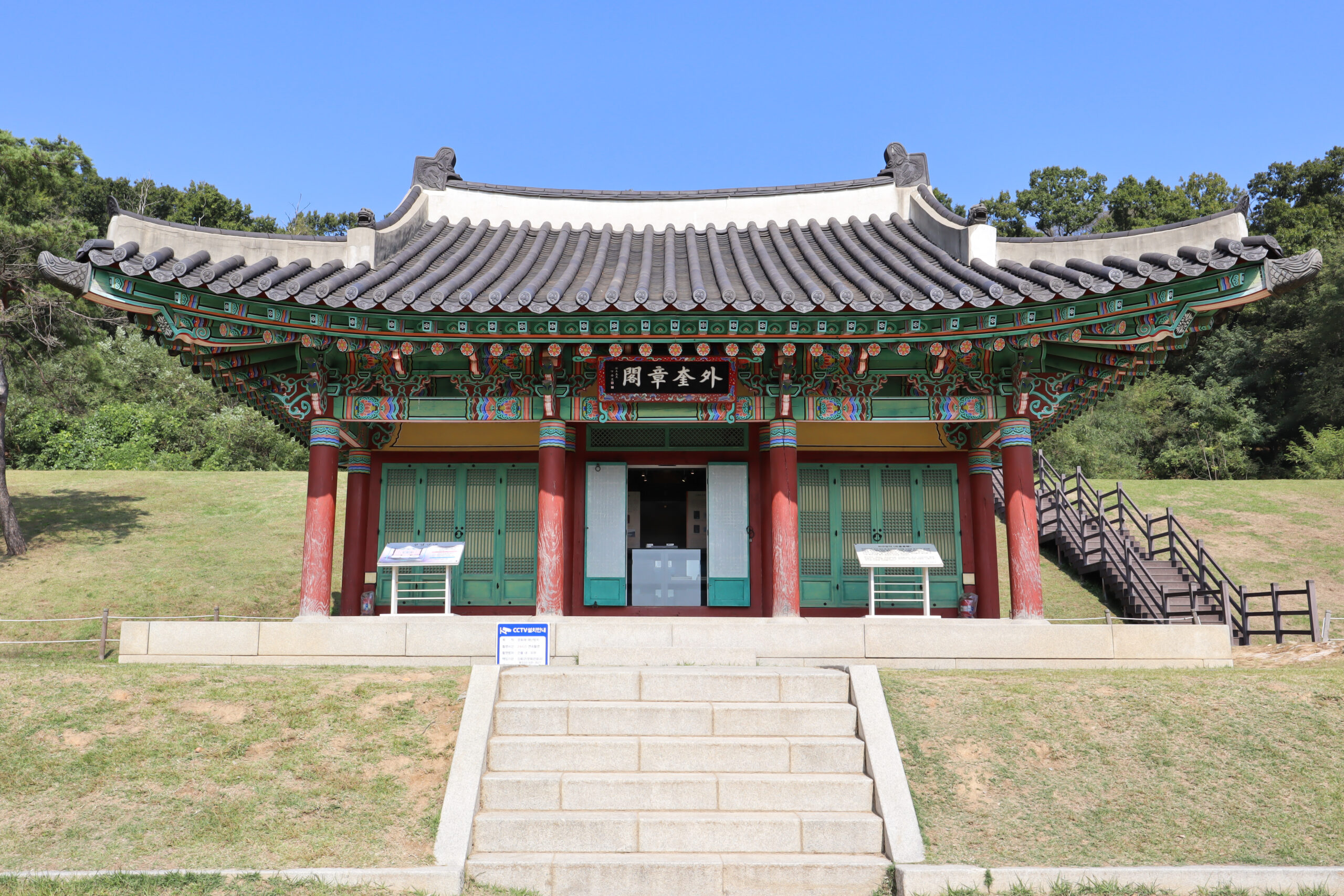
Oegyujanggak Royal Library (외규장각)
Located within the palace complex, this royal archive once housed valuable books and royal records.
During the French campaign of 1866, French troops looted this library, taking hundreds of invaluable royal protocols known as the Oegyujanggak Uigwe. Visitors from Europe and North America often find this location especially interesting because it connects Korean history directly with global events of the nineteenth century. After decades of diplomatic requests, these priceless records were finally returned to South Korea, though notably only on a renewable lease basis rather than permanent restitution—a detail that still sparks conversation among historians today.
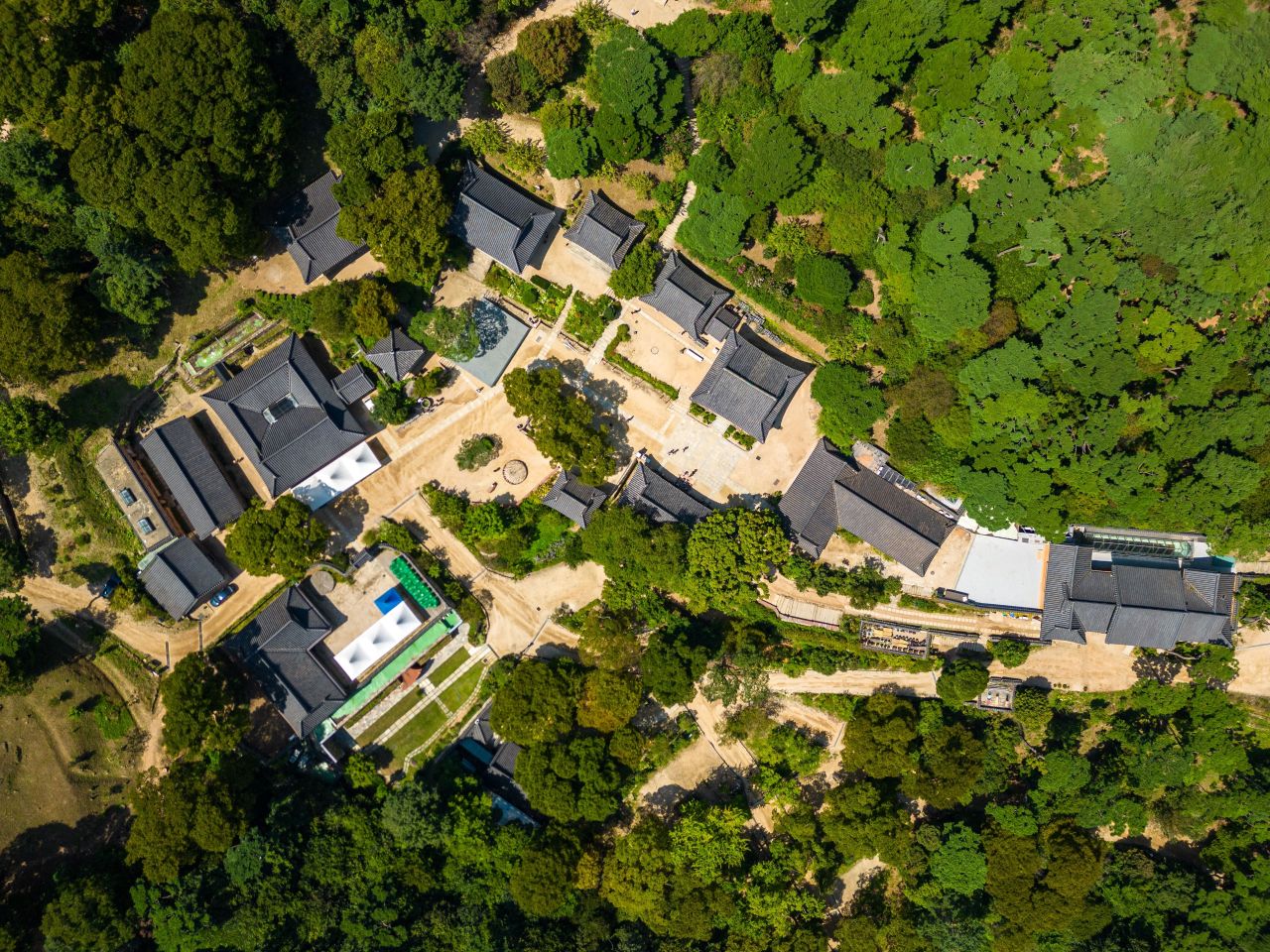
Jeondeungsa Temple (전등사) and Samnang Fortress (삼랑성)
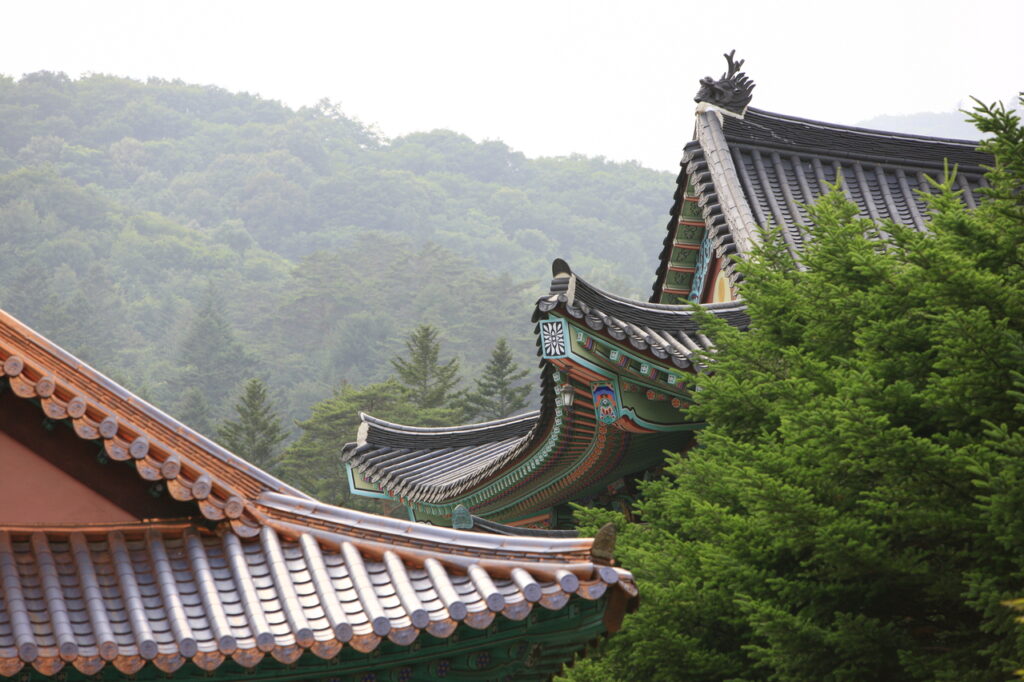
Jeondeungsa Temple is one of Korea’s oldest Buddhist temples and sits within the walls of Samnang Fortress, also known as Jeongjoksanseong Fortress (정족산성).
The temple combines peaceful mountain scenery with dramatic military history. During the French invasion of 1866, Korean forces achieved an important victory in this area.
For travelers seeking both culture and tranquility, this may be the most rewarding destination on the island.
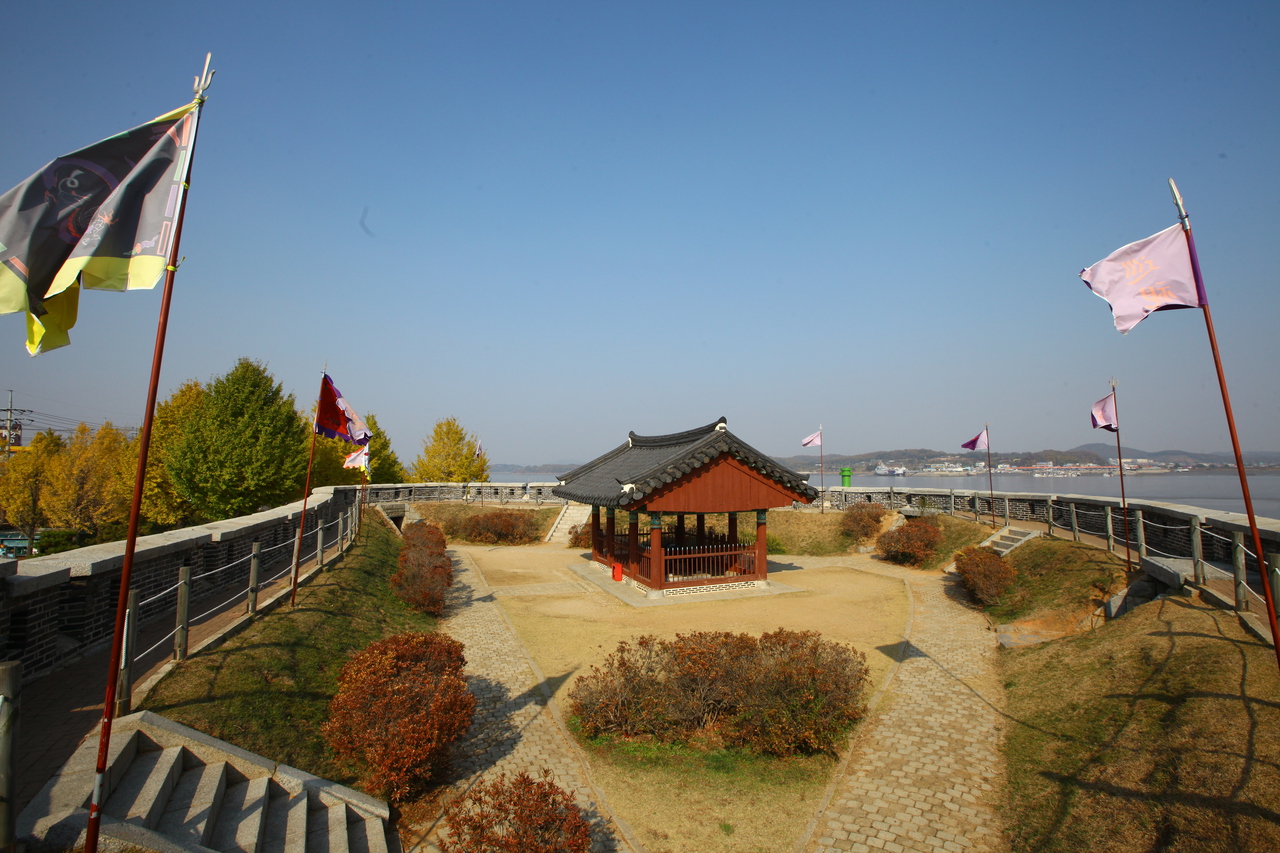
Chojijin Fortress
Chojijin guarded one of the main waterways leading toward Seoul.
Today visitors can see restored fortifications, cannons, and strategic viewpoints overlooking the channel.
The location helps explain why foreign naval powers repeatedly targeted Ganghwa when attempting to pressure Korea.
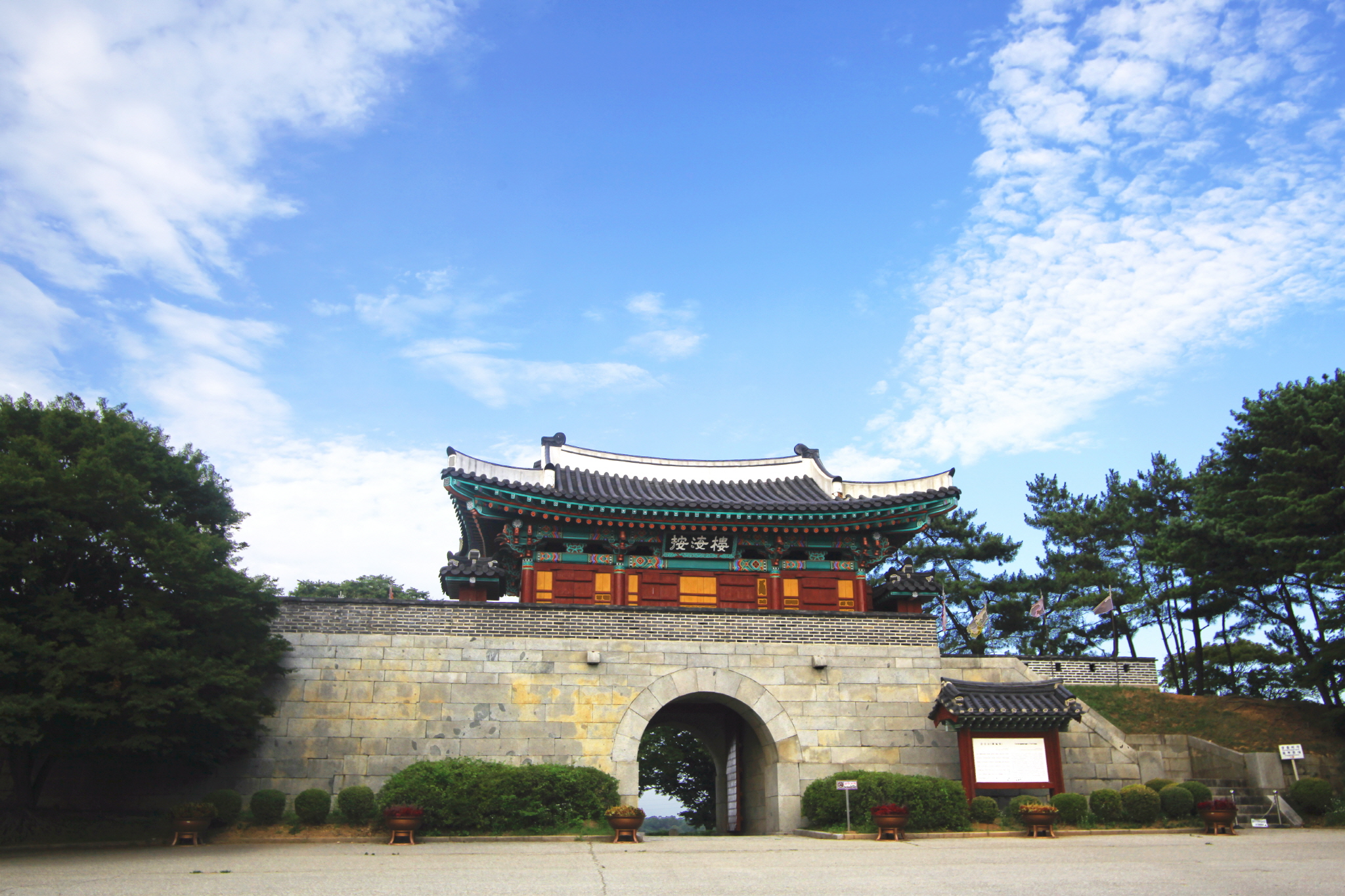
Gwangseongbo Fortress
Among all historical sites in Ganghwa, Gwangseongbo is arguably the most emotionally powerful.
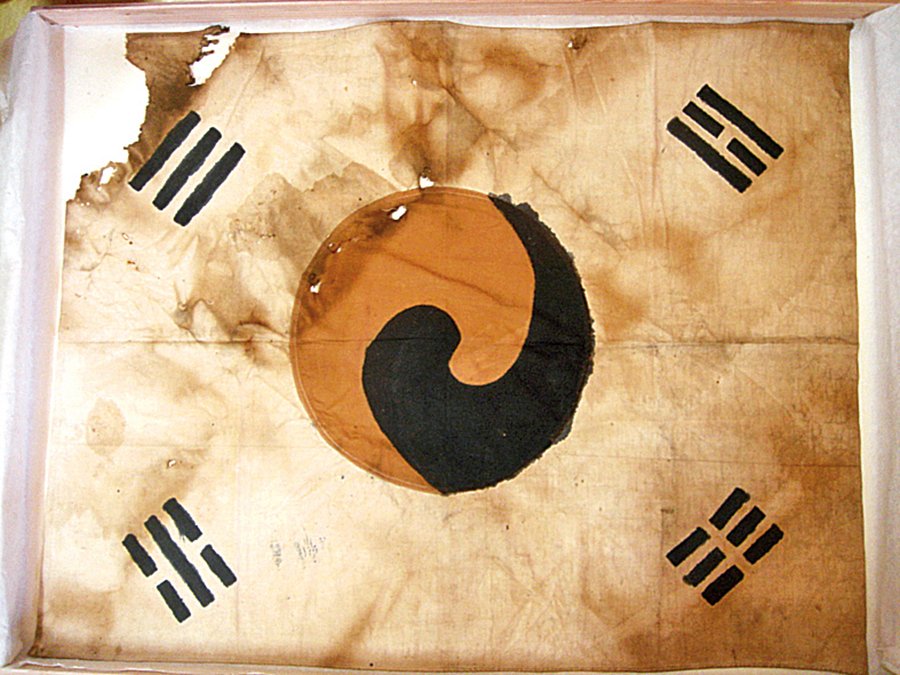
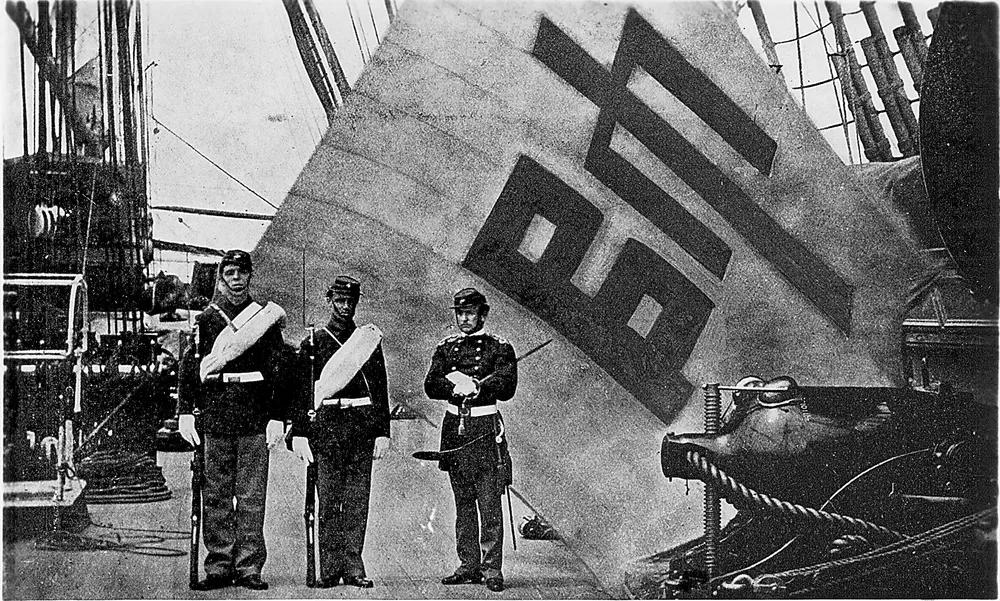
This fortress became the center of fierce fighting during the American expedition of 1871 (Shinmiyangyo), which was largely a delayed retaliation for the destruction of the American merchant ship, the General Sherman, years earlier. Korean commander Eo Jae-yeon and his soldiers resisted to the very end despite facing overwhelming modern firepower. After the battle, the victorious American forces looted numerous artifacts as spoils of war. They took the massive ‘Su’ flag (帥字旗)—the commanding general’s standard—along with the unique Korean bulletproof cotton armor (Myeonjebaegap), traditional cannons, various weapons, and smaller military flags back to the United States. Today, as you walk along the walls overlooking the sea, you can still see traces of cannon impacts in parts of the fortress, making it much easier to understand why this site remains deeply significant in Korean historical memory. For more details on the clashes between foreign forces and the Joseon army on Ganghwa Island during the late Joseon dynasty, refer to ‘Ganghwa Island Battles: The Fall of Joseon’s Isolation‘.
Yeonmudang Site (연무당 옛터)
This lesser-known location marks the place where the Ganghwa Treaty was signed in 1876.
The treaty opened Korea to Japanese influence and fundamentally altered the country’s future.
For visitors interested in modern Korean history, this stop adds important context to events that followed.
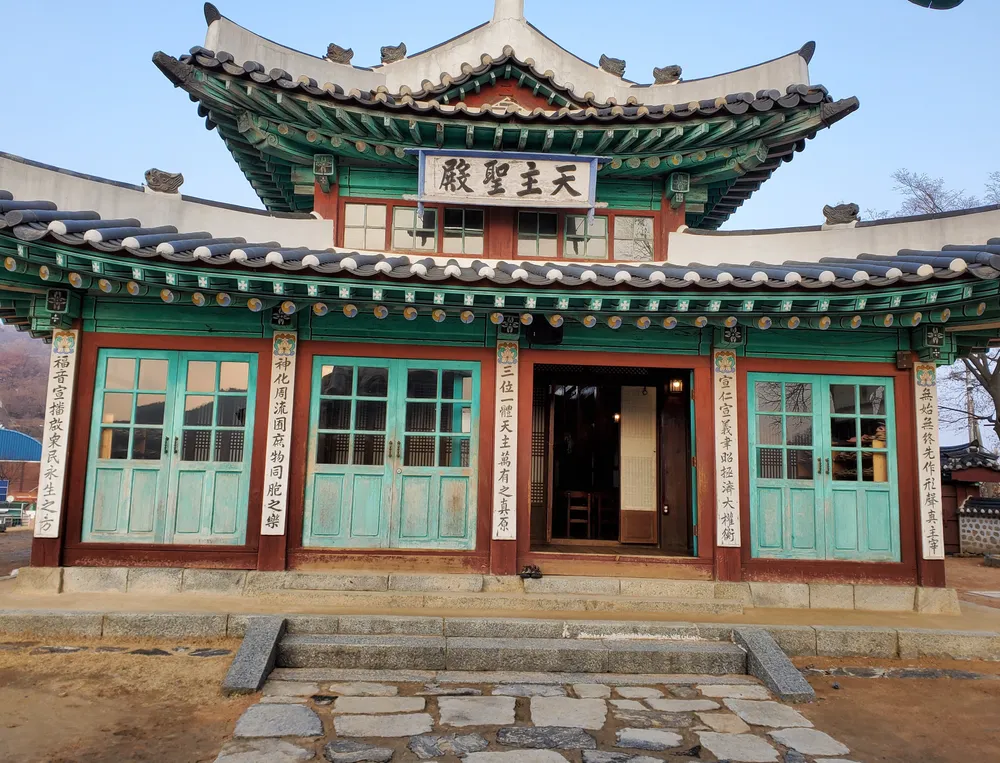
Ganghwa Anglican Church (성공회 강화성당)
Built in 1900, the Ganghwa Anglican Church offers a fascinating look into Korea’s modern history and its first encounters with Western religion. What makes this church truly spectacular is its unique architectural style. From the outside, the building looks almost exactly like a traditional Korean Buddhist temple or a royal Hanok structure, complete with a sweeping tiled roof and wooden columns. However, step inside, and you will find a traditional Western basilica layout, complete with a baptismal font and a Christian altar. This seamless blend of East and West was intentionally designed to make Christianity feel more approachable to the local people, making it one of the most culturally significant and highly photogenic buildings you will find in South Korea.
Hiking Manisan: The Sacred Mountain Above the Sea
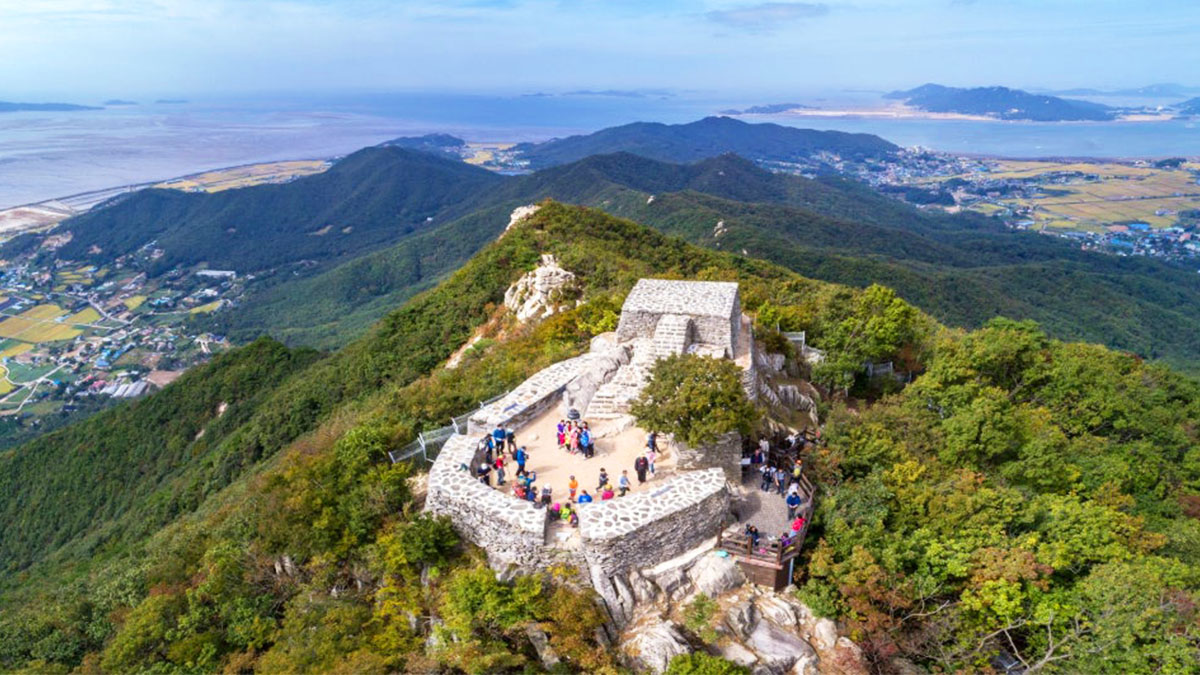
If you love the outdoors, you absolutely cannot miss hiking Manisan (마니산). As the highest peak on Ganghwa Island, it holds immense spiritual significance for Koreans. It is home to the Chamseongdan Altar (참성단), where Dangun, the legendary founder of the Korean nation, is said to have offered sacrifices to the heavens.
Beyond its spiritual history, the real reward for hikers is the breathtaking view from the summit. Unlike most mountains in inland Korea, Manisan offers a unique and sweeping panorama where rugged rocky ridges drop dramatically toward the Yellow Sea (황해). Seeing the ocean dotted with small islands directly from the top of a mountain is a truly unforgettable visual experience. The hike takes about 2.5 to 3 hours round trip, making it a perfect morning activity before a hearty local lunch.
Best Places Foreign Visitors Will Enjoy
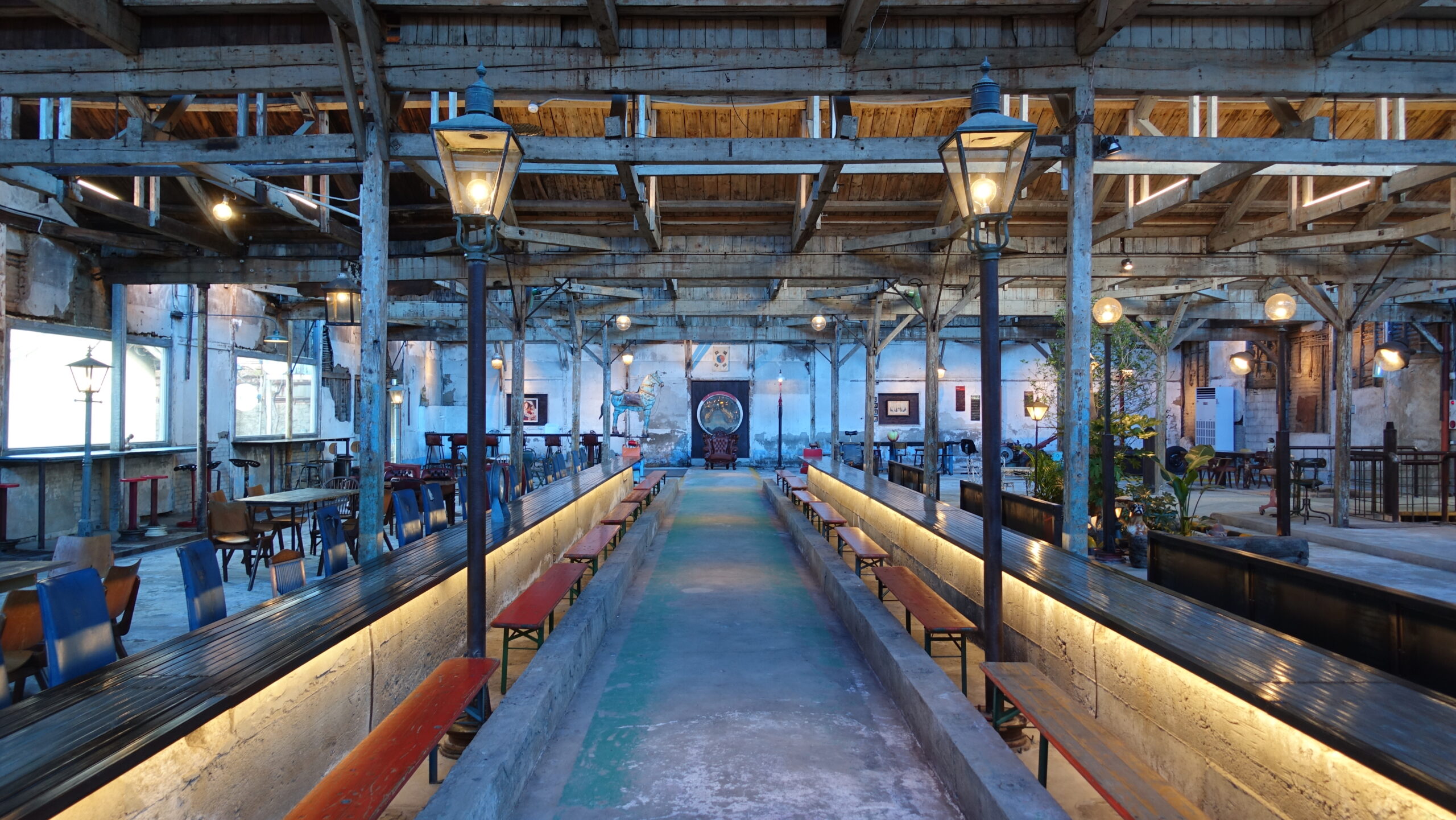
Joyang Bangjik Cafe (조양방직)
Not every attraction in Ganghwa is about military history.
Joyang Bangjik transforms a former textile factory into an enormous retro-themed café filled with antiques, vintage signs, artwork, and unexpected displays.
It feels part museum, part gallery, and part coffee shop.
Many younger Korean travelers visit specifically for photography, and international visitors often rank it among the island’s most memorable experiences.
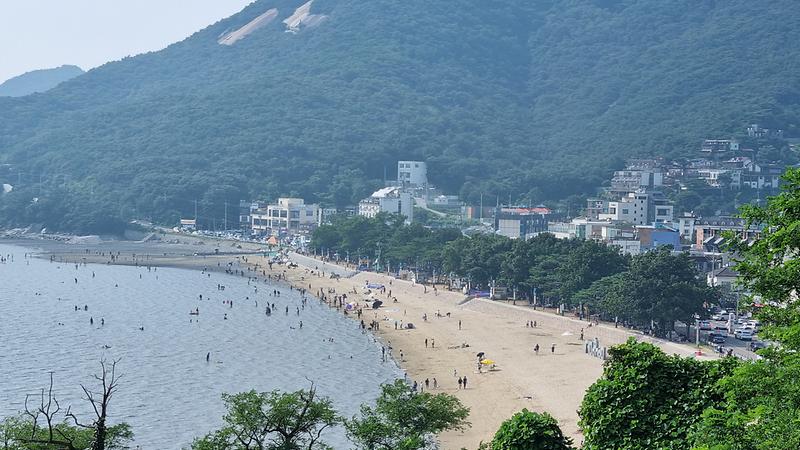
Dongmak Beach (동막해변)
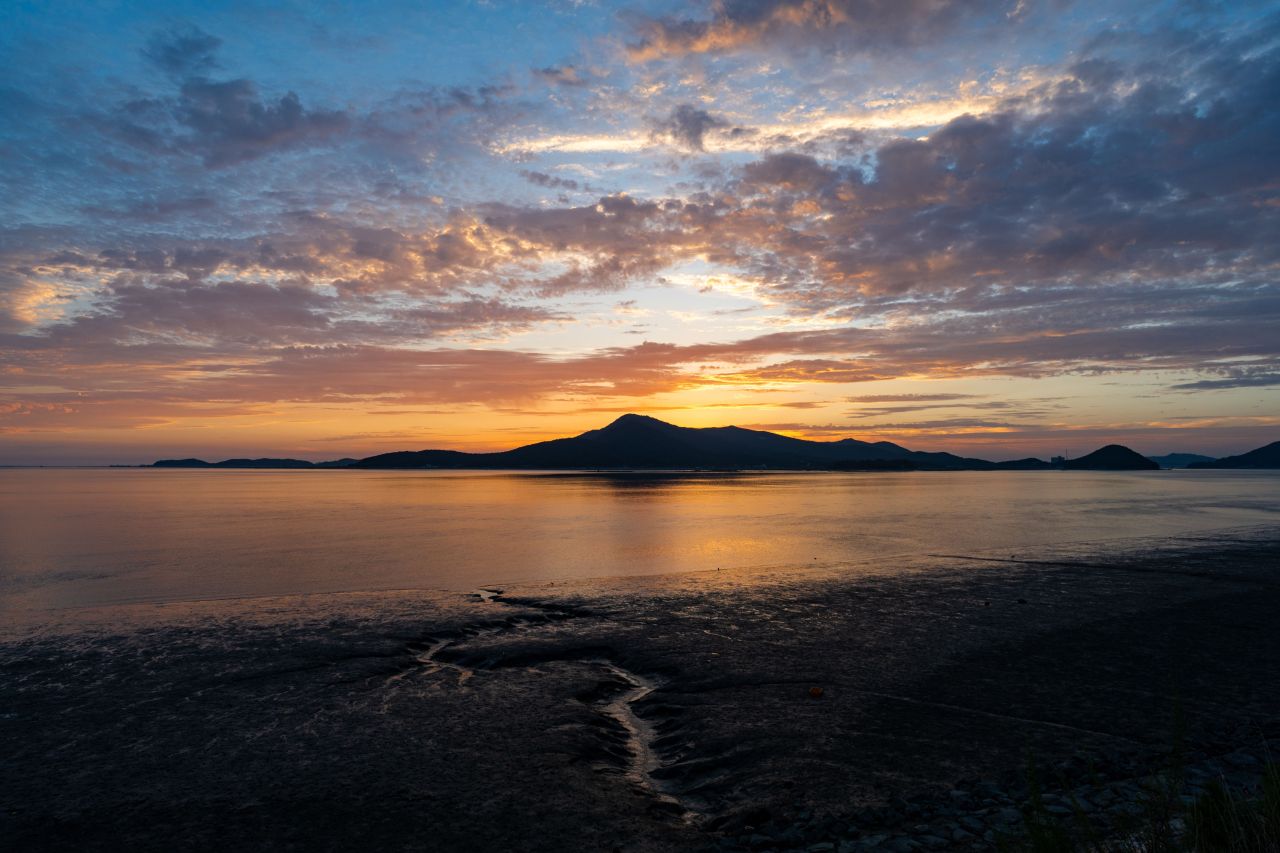
Ganghwa’s western coastline offers beautiful sunsets over the Yellow Sea.
Dongmak Beach is particularly known for its tidal landscape and peaceful atmosphere.
If you’re interested in Korea’s coastal culture, it pairs well with reading our guide to South Korea’s best beaches.
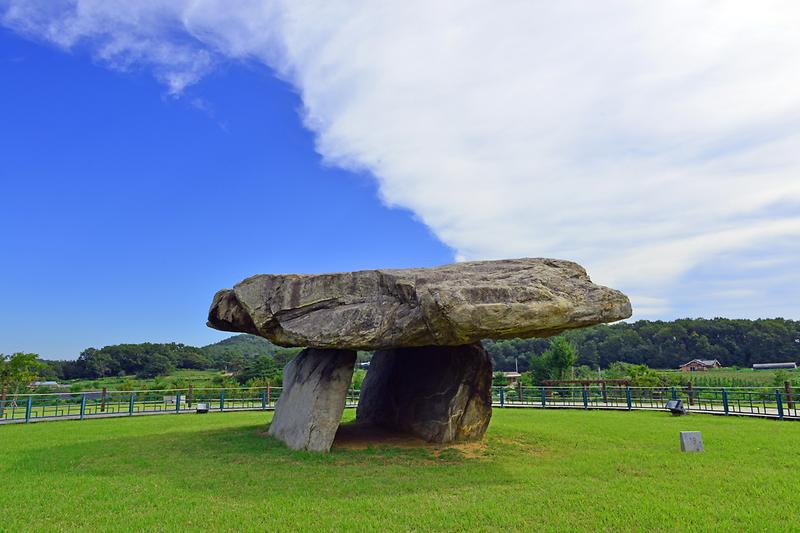
Ganghwa Dolmen Sites (강화 고인돌)
These UNESCO-listed prehistoric stone tombs are among the largest concentrations of dolmens in the world.
Some were built thousands of years before the kingdoms and fortresses that later defined Korean history.
It’s a reminder that Ganghwa’s story stretches far beyond recorded history.
What to Eat in Ganghwa Island
Ganghwa’s food culture reflects both its coastal environment and its historical role as a refuge for royalty and local communities.
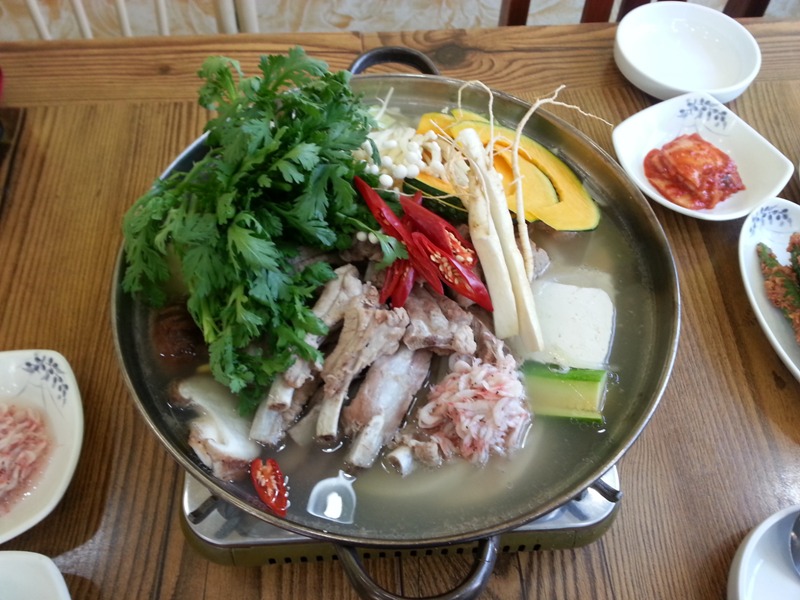
Jeotguk-galbi (젓국갈비)
This dish exists almost exclusively in Ganghwa.
Made with pork ribs, tofu, and salted shrimp broth, it offers a clean and surprisingly gentle flavor profile that many foreign visitors enjoy.
Tradition links the dish to meals prepared for the Goryeo royal court during its years on the island.
Recommended Restaurant: Yongheunggung Sikdang (용흥궁식당)
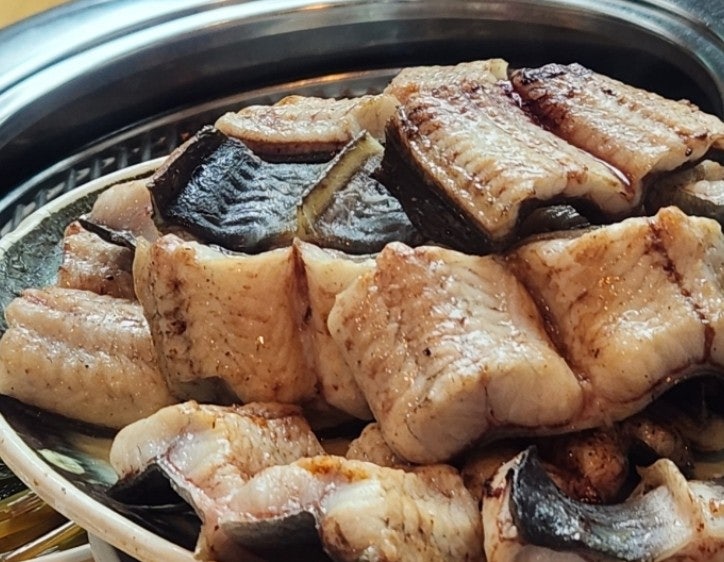
Mudflat Eel (갯벌장어)
Ganghwa’s extensive tidal flats create ideal conditions for raising eel.
The resulting texture is firm and rich, making it a favorite among Korean food enthusiasts.
Recommended Restaurant: Ilmi Sanjang (일미산장)
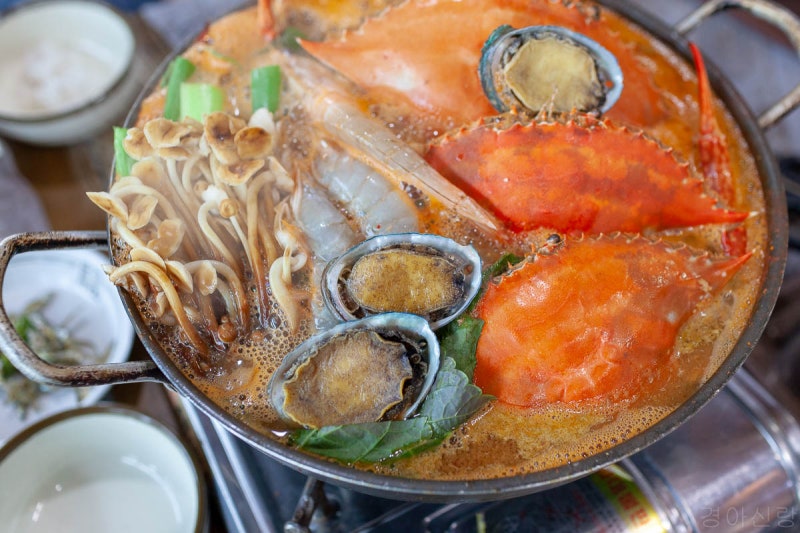
Flower Crab Stew (꽃게탕) and Soy-Marinated Crab (간장게장)
The western coast provides excellent seafood, particularly blue crab.
Traditional flower crab stew offers a rich seafood flavor, while soy-marinated crab remains one of Korea’s most iconic dishes.
Recommended Restaurant: Pyeonggane Doenjang (편가네된장)
Don’t Miss Ganghwa Turnip Kimchi
💡 Food Tip: Look for Ganghwa turnip kimchi (강화 순무김치). Its distinctive purple color and slightly peppery, mustard-like flavor make it very different from standard cabbage kimchi. Many visitors discover it accidentally as a side dish and end up searching for it later.
Essential Travel Tips for First-Time Visitors
- Plan at least one full day; two days is ideal.
- Wear comfortable walking shoes for fortress sites.
- Carry water during summer, as some historical areas have limited shade.
- Public transportation becomes less frequent in the evening.
- Sunset along the western coast is often spectacular.
- Many cafés and restaurants close earlier than those in Seoul.
Visitors who enjoyed destinations such as Buyeo (부여), Andong Hahoe Folk Village (안동 하회마을), or Daeheungsa Temple (대흥사) will likely appreciate Ganghwa as well.
What makes Ganghwa special is not any single attraction. It is the way centuries of Korean history remain visible across the landscape. A fortress overlooking the sea, a royal palace site, a temple hidden inside ancient walls, and a café inside a former factory all exist within a relatively small island.
For travelers looking beyond Seoul’s famous landmarks, Ganghwa offers one of the most meaningful and accessible day trips in Korea.
Related Korea Travel Guides
- 5 Best Beaches in South Korea for Foreigners: 2026 Guide
- Buyeo Travel: Inside the Ancient Baekje Kingdom
- Why Daeheungsa Is One of Korea’s Most Important Temples
- Best Food in Jeju: Traditional Dishes and Hidden Gems
- Haedong Yonggungsa Temple: Busan’s Coastal Jewel Guide
- Visiting Everland with Kids: Best Rides & Survival Tips
- Andong Hahoe Folk Village: The True Soul of Joseon
- 10 Best Summer Festivals in South Korea to Experience in 2026
Korean Culture portal KCulture.com

Founder of Kculture.com and MA in Political Science. He shares deep academic and local insights to provide an authentic perspective on Korean history and society.